+51 984 187 714 | 💬 +1 (678) 749-0170 | Book Your Machu Picchu trip today! Tickets are Selling Fast!
f in
Book Now
Book Now 📅 Inca Trail Availability

Inca Trail 5 Days / 4 Nights

The Inca Trail 5 Days / 4 Nights is the extended version of the classic Inca Trail trek, adding an extra acclimatization day to help you adjust to the altitude and enjoy a more relaxed pace. This is the ideal choice for trekkers who want the full Inca Trail experience without rus...See more

The Inca Trail 5 Days / 4 Nights is the extended version of the classic Inca Trail trek, adding an extra acclimatization day to help you adjust to the altitude and enjoy a more relaxed pace. This is the ideal choice for trekkers who want the full Inca Trail experience without rushing through one of the world’s most iconic hiking routes.

Why Choose the 5-Day Inca Trail?

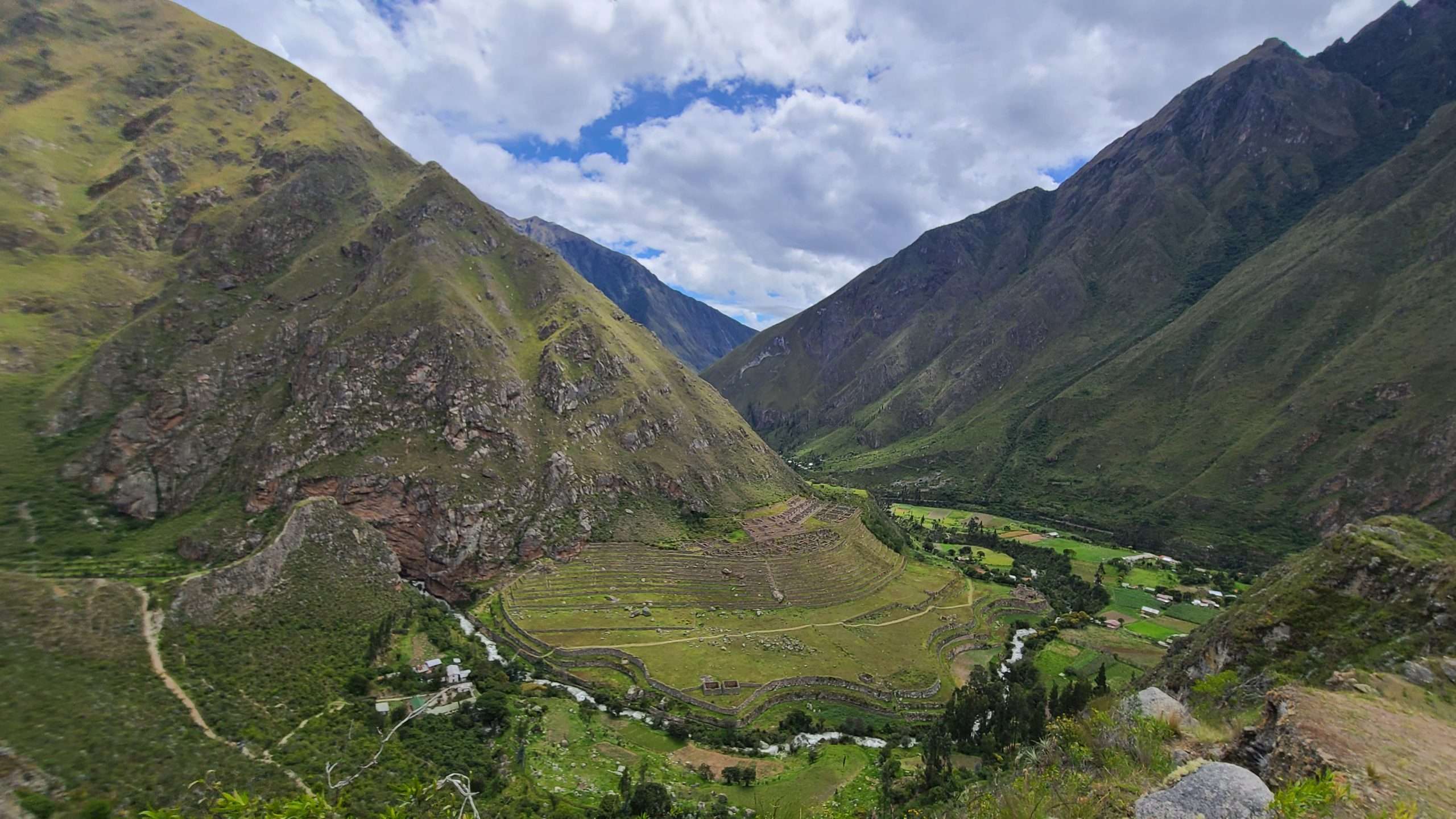
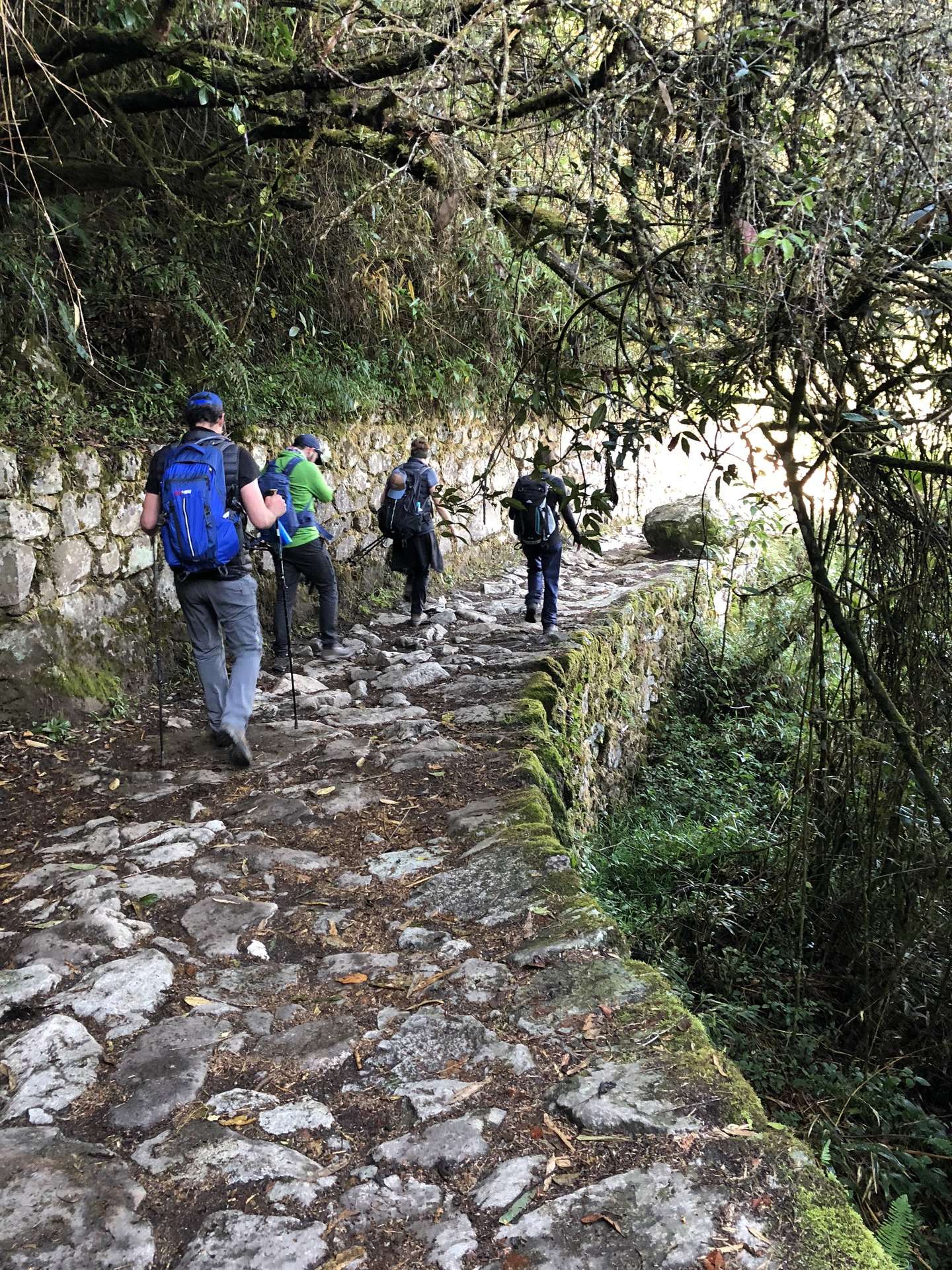
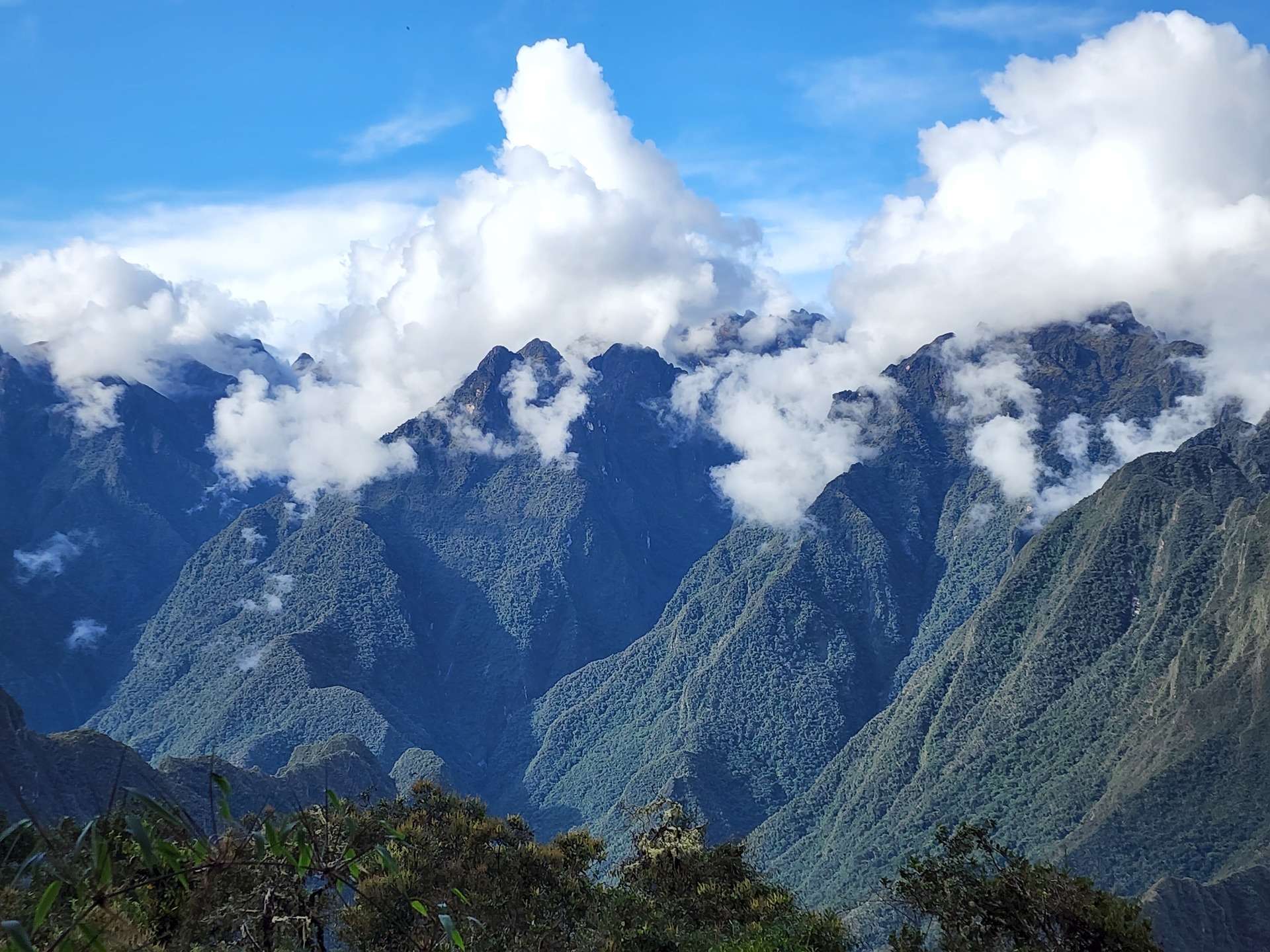
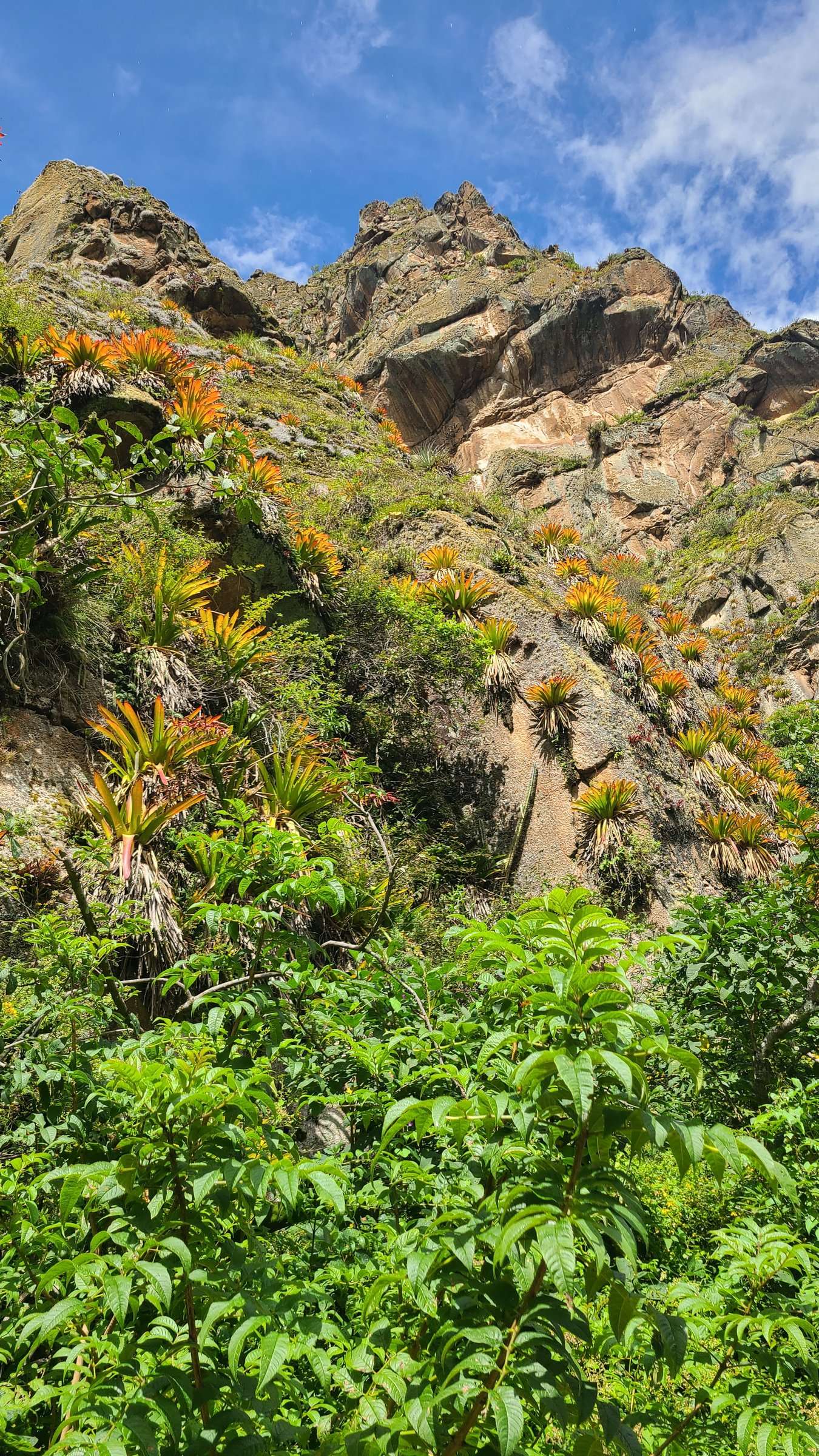
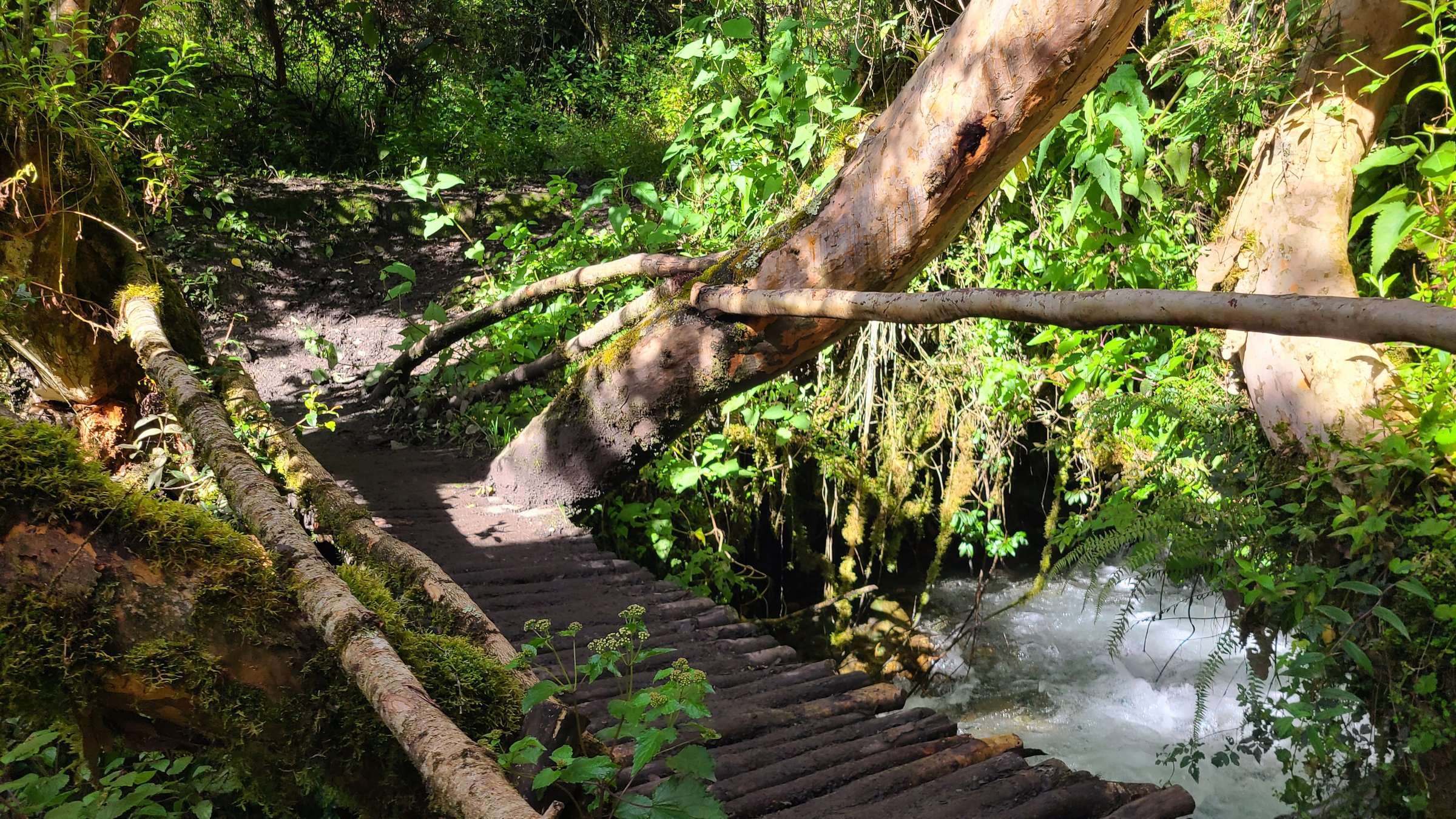
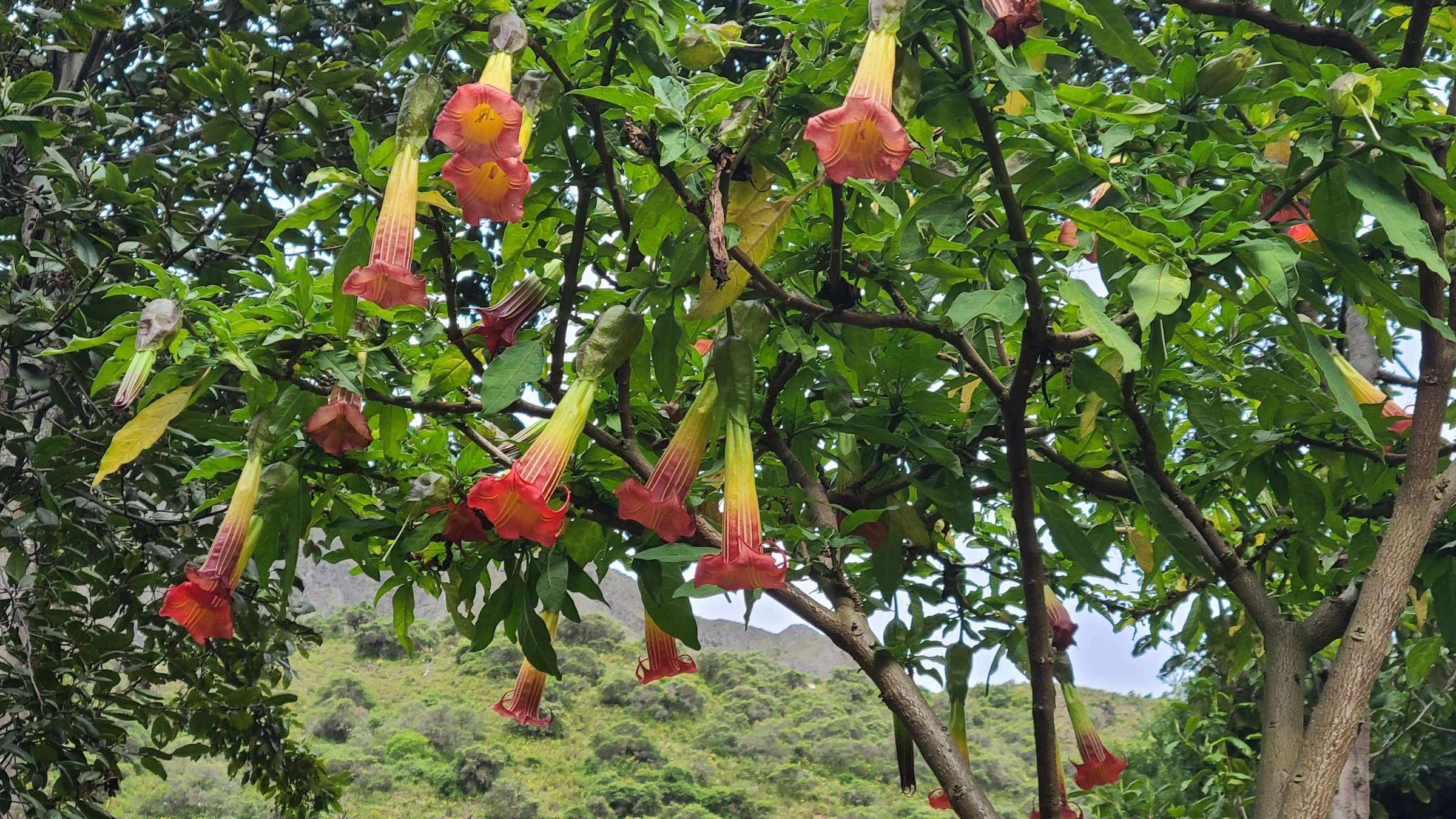
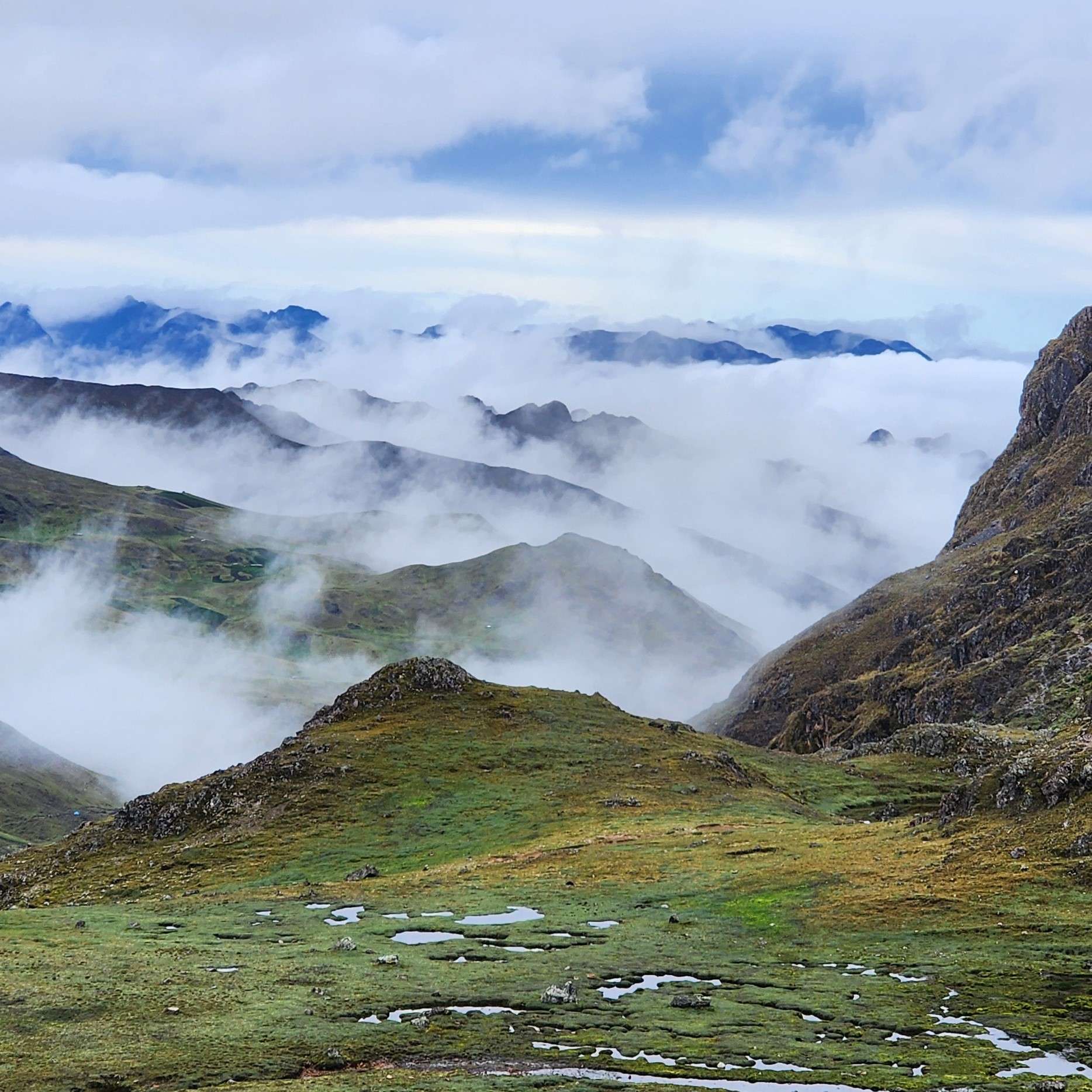
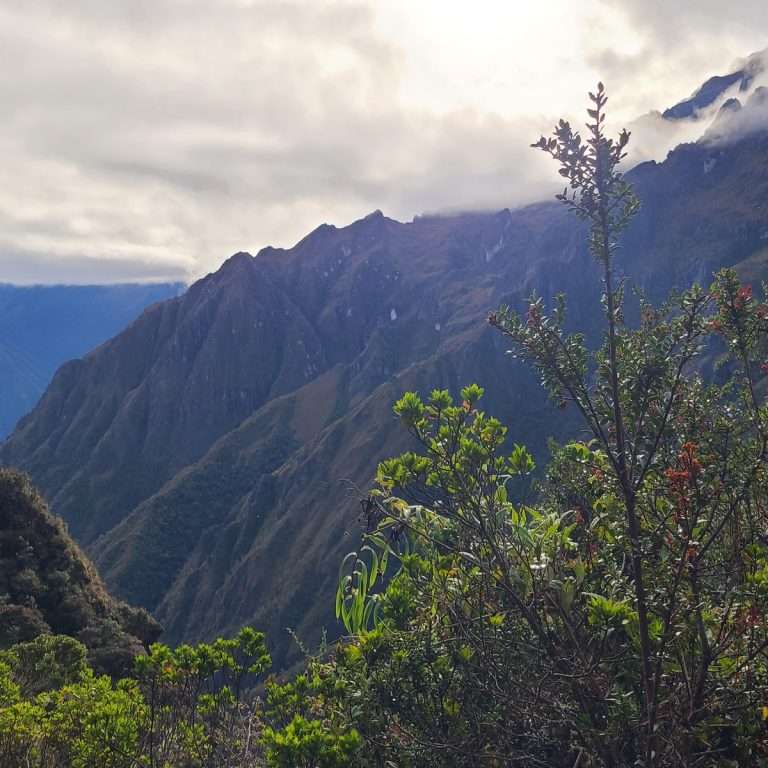
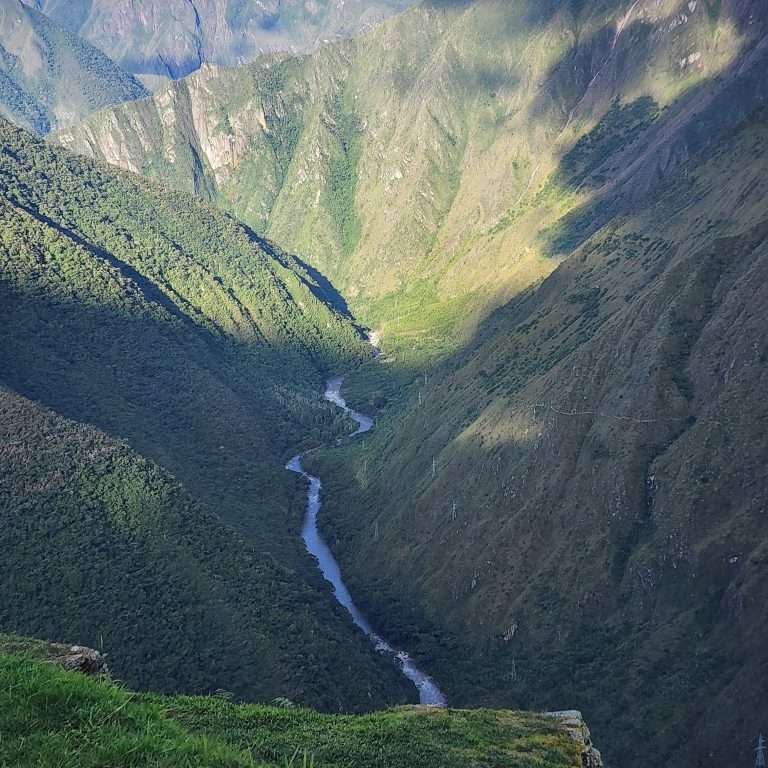
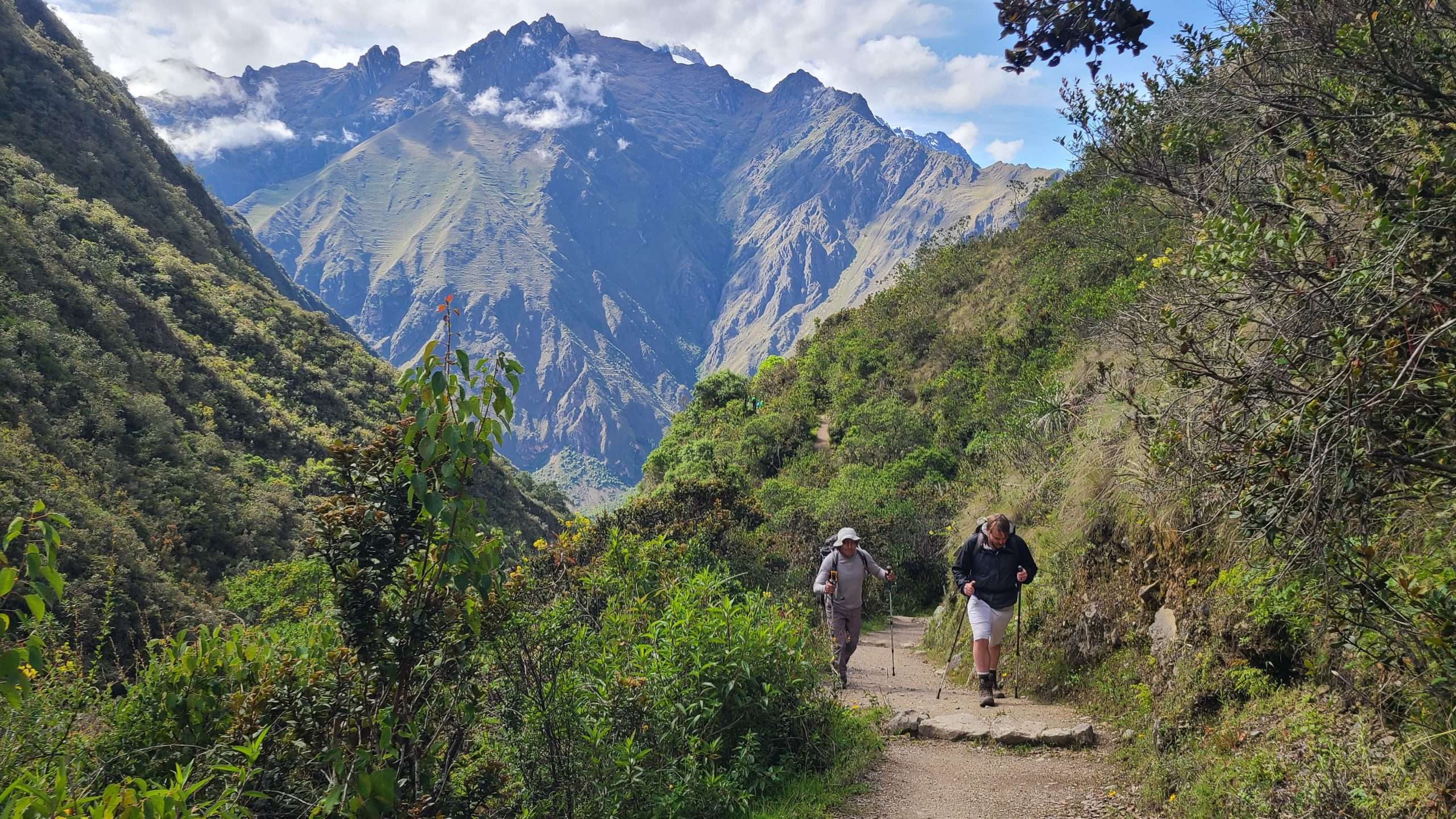
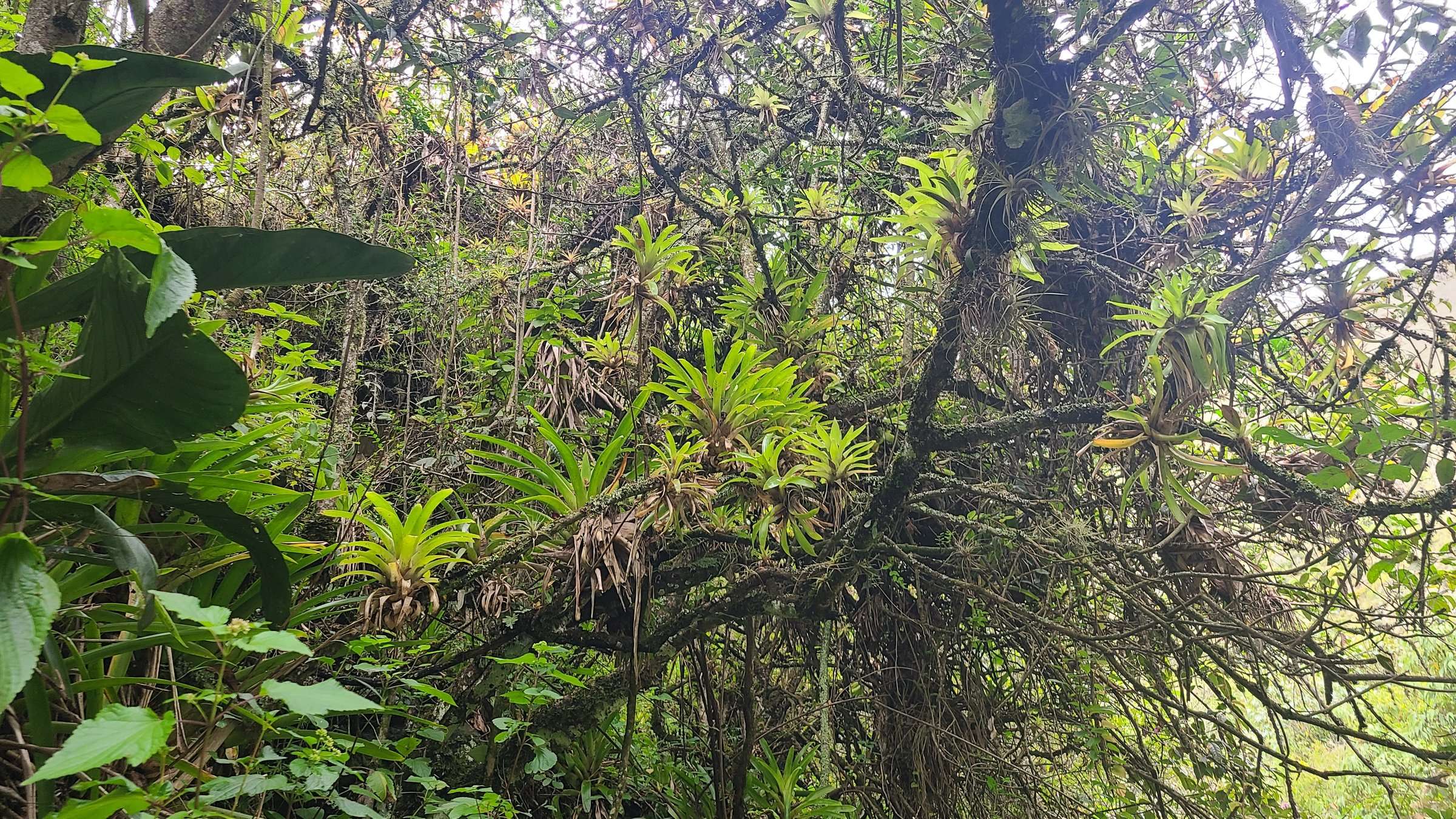
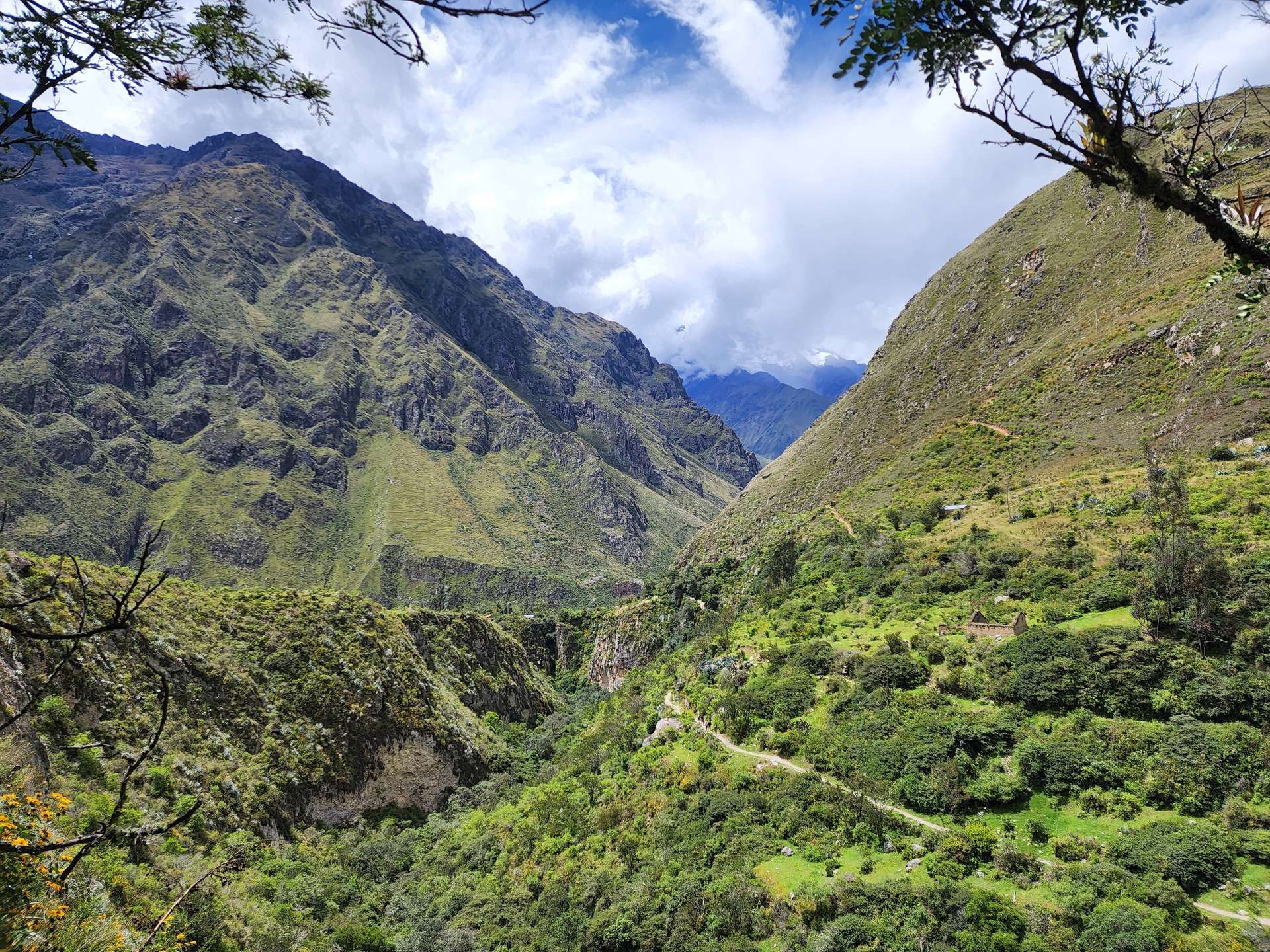
The 5-day Inca Trail adds a crucial acclimatization day at Wayllabamba before the challenging ascent to Dead Woman’s Pass. This extra day significantly reduces the risk of altitude sickness and allows you to enjoy the stunning scenery at a comfortable pace. You will follow the same ancient pathways as the classic 4-day trek, passing through diverse ecosystems from high-altitude puna grasslands to lush cloud forests, and exploring remarkable archaeological sites accessible only on foot.

This extended itinerary is perfect for trekkers who prefer a gentler introduction to high-altitude hiking, families with older children, or anyone who wants more time to photograph and absorb the incredible landscapes along the trail.

What to Expect on Your 5-Day Inca Trail Hike

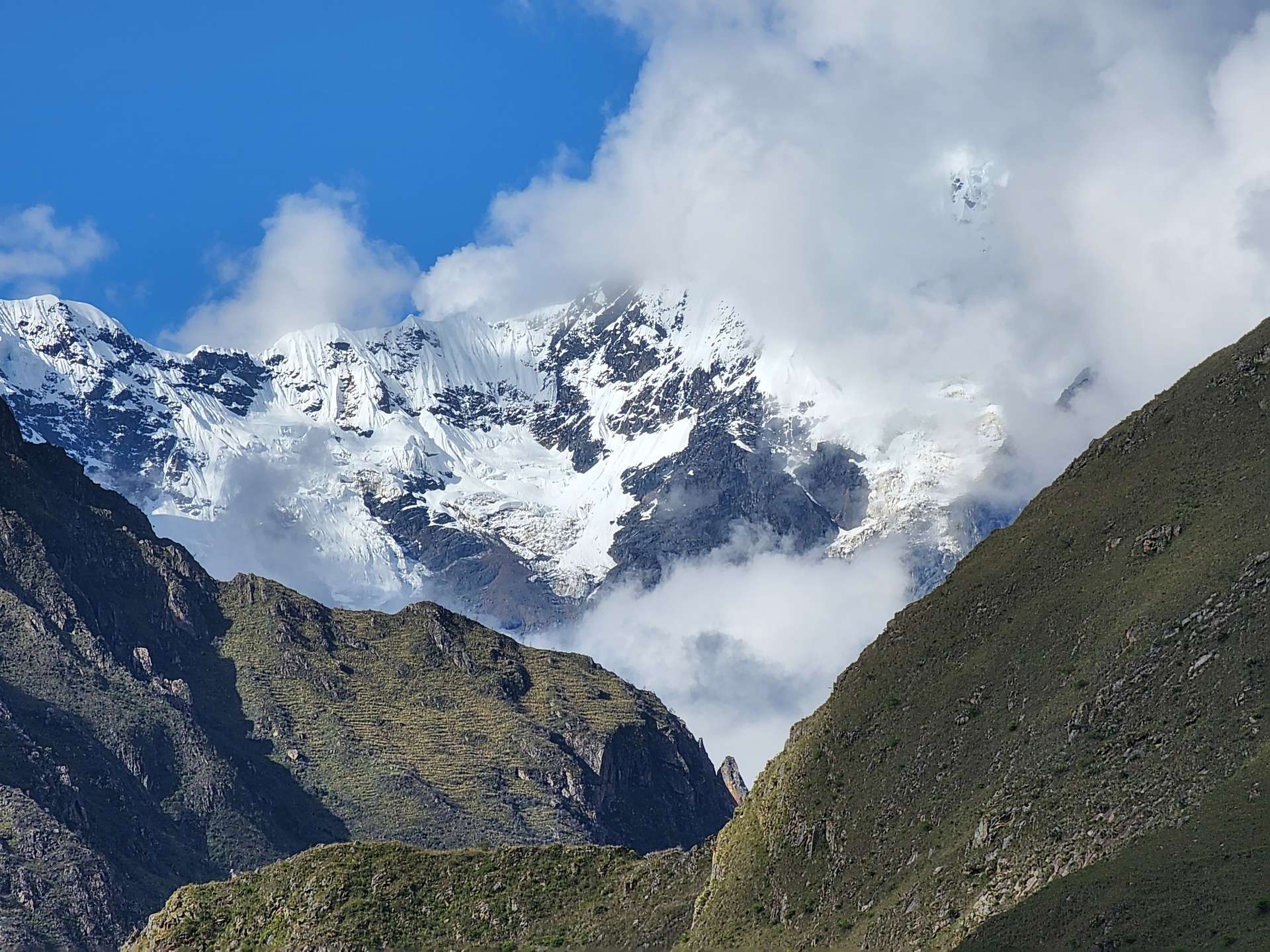
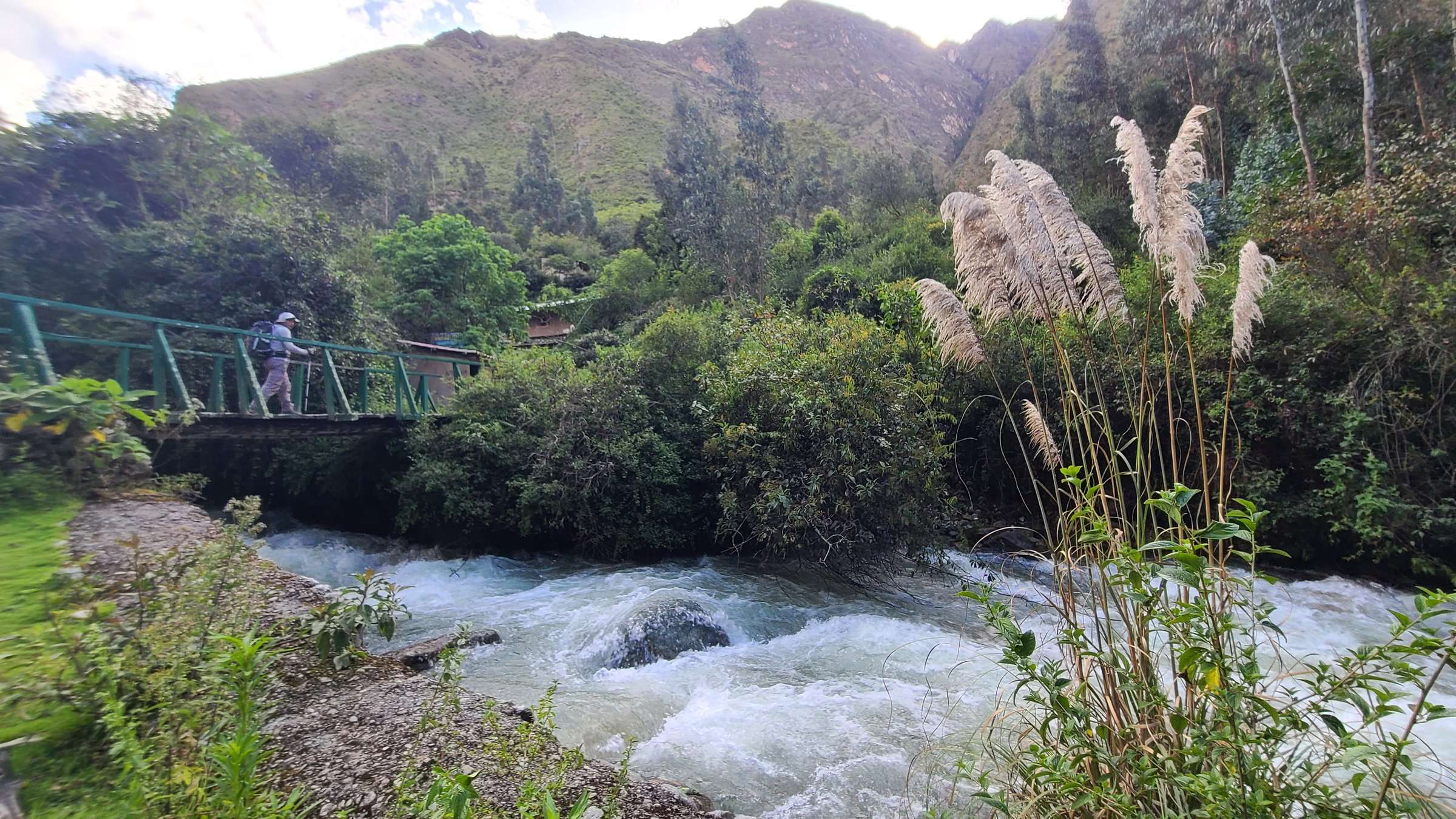
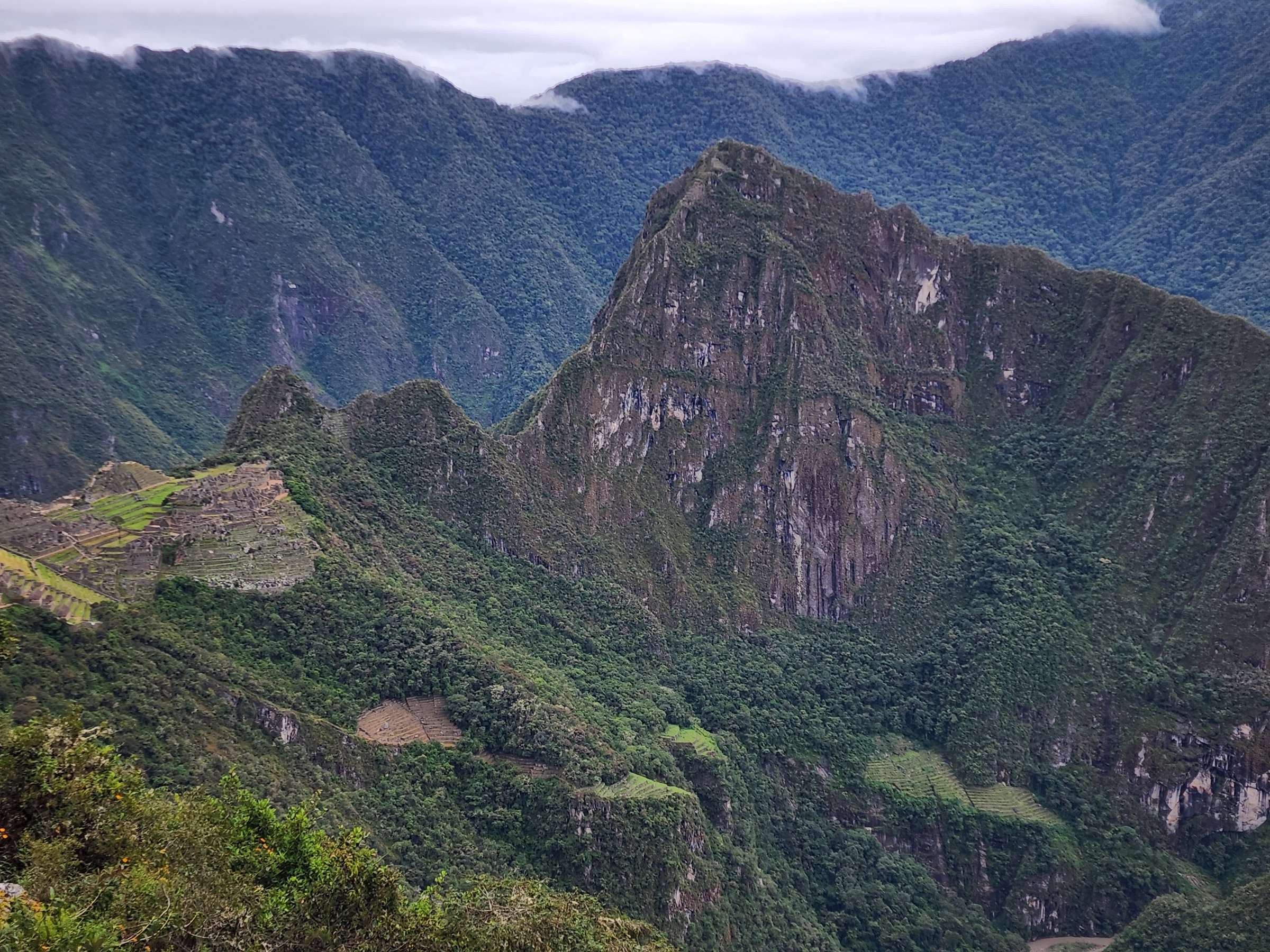
Day 1 follows the Urubamba River Valley to your first campsite with views of the Veronica glacier. Day 2 is a relaxed acclimatization day at Wayllabamba, where you can explore the surrounding area and prepare for the high passes ahead. Day 3 is the most challenging — you summit Dead Woman’s Pass at 4,215 meters, then continue over Runkurakay Pass to camp at Chaquiqocha. Day 4 descends through cloud forests past the stunning ruins of Phuyupatamarka and Intipata to Wiñay Wayna. Day 5 brings the unforgettable sunrise arrival at Machu Picchu through the Sun Gate.

Your trek includes professional bilingual guides, comfortable camping equipment, and gourmet meals prepared by our experienced trail chefs. With a maximum group size of 8, you will enjoy a personalized experience. If you prefer the standard pace, consider our Inca Trail Classic 4D/3N, or for a shorter option, our Short Inca Trail 2D/1N.

Experience Highlights

  • Trek the world-famous Inca Trail with an extra acclimatization day for a more comfortable experience.
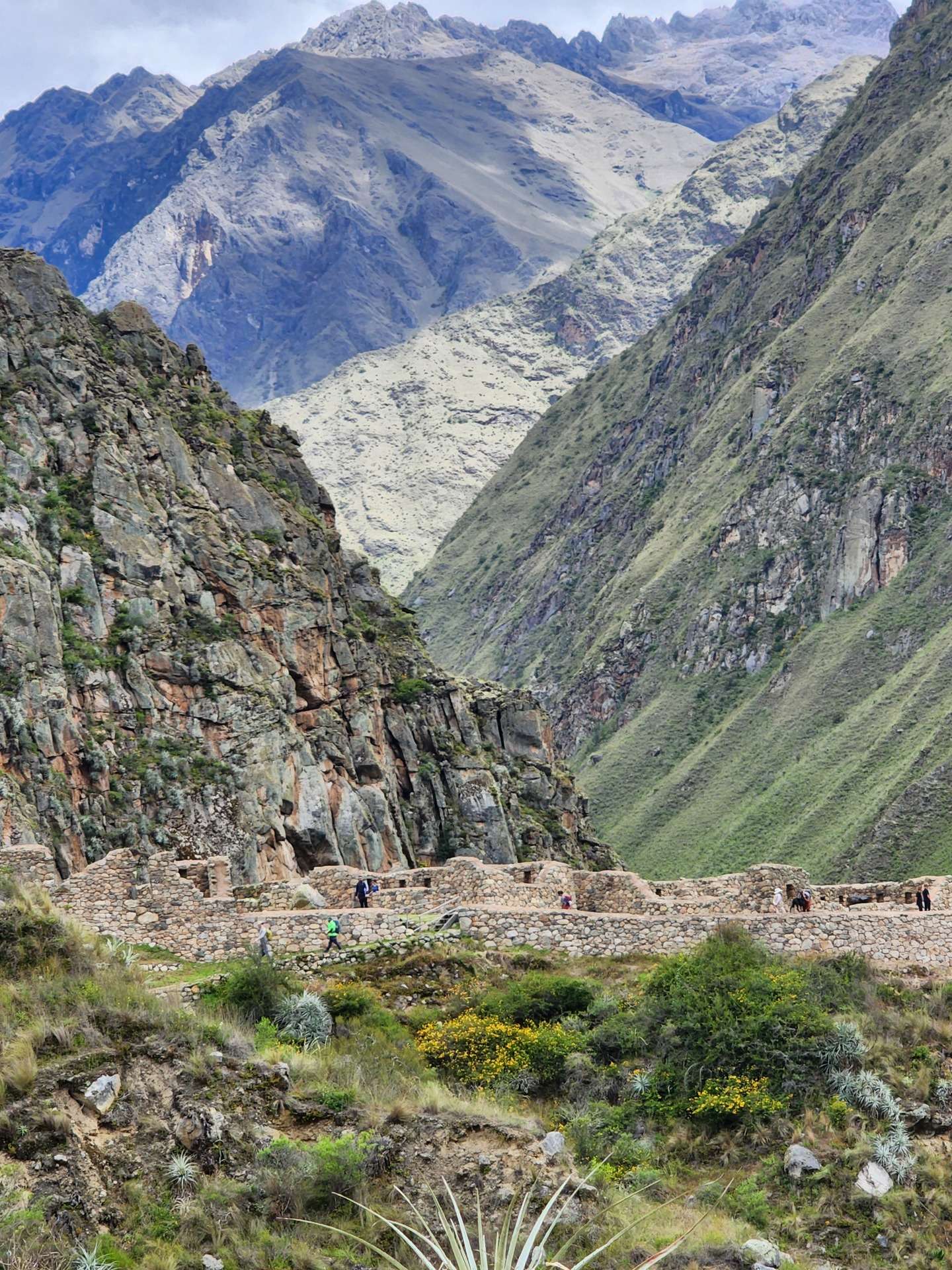
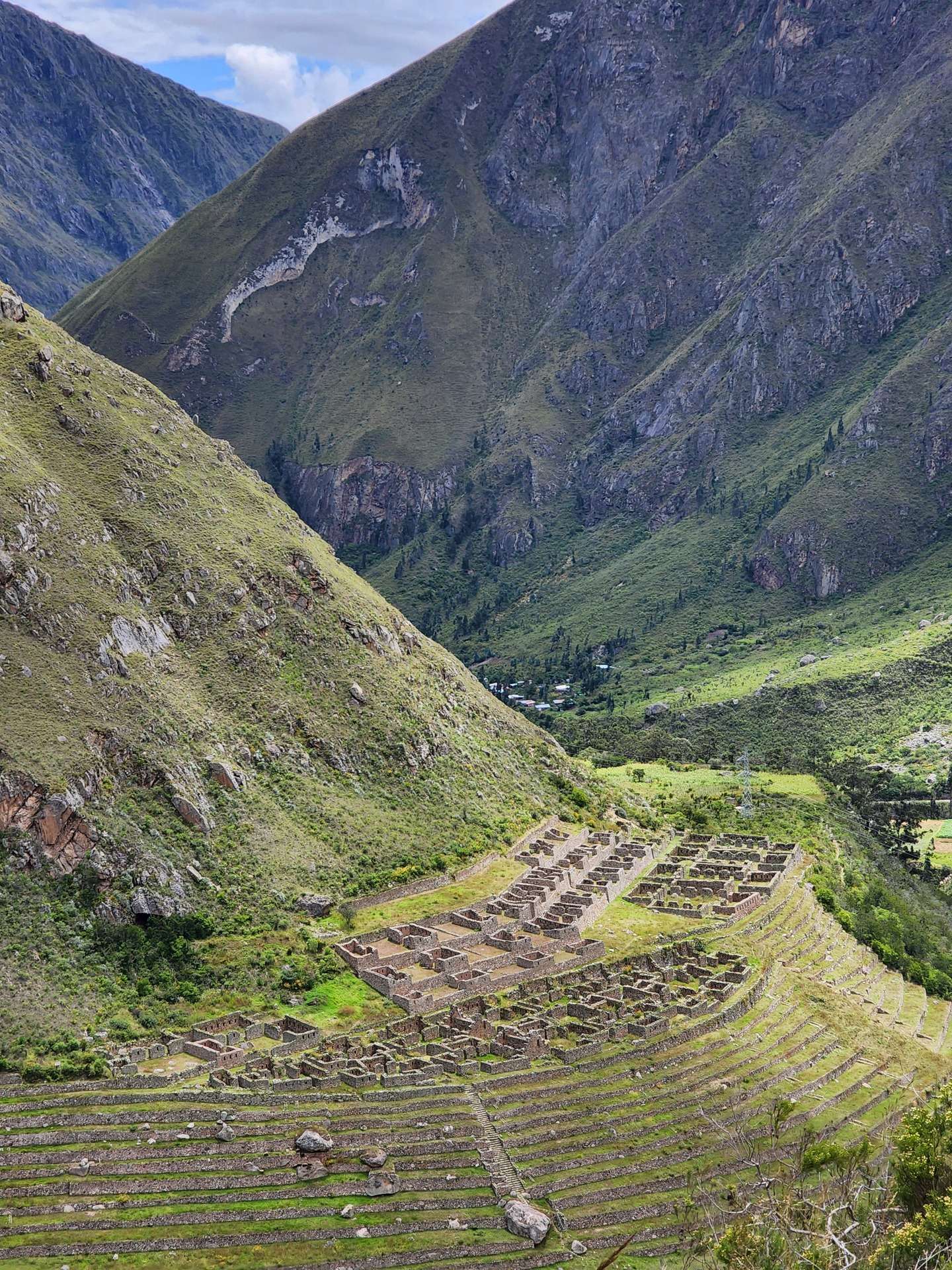
  • Explore ancient Inca archaeological sites accessible only by foot, including Wiñay Wayna, Sayaqmarka, and Phuyupatamarka.
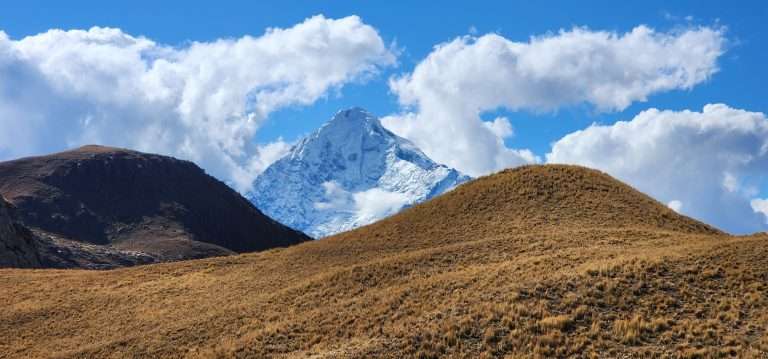
  • Summit Dead Woman’s Pass at 4,215m with panoramic views of the snow-capped Andes.
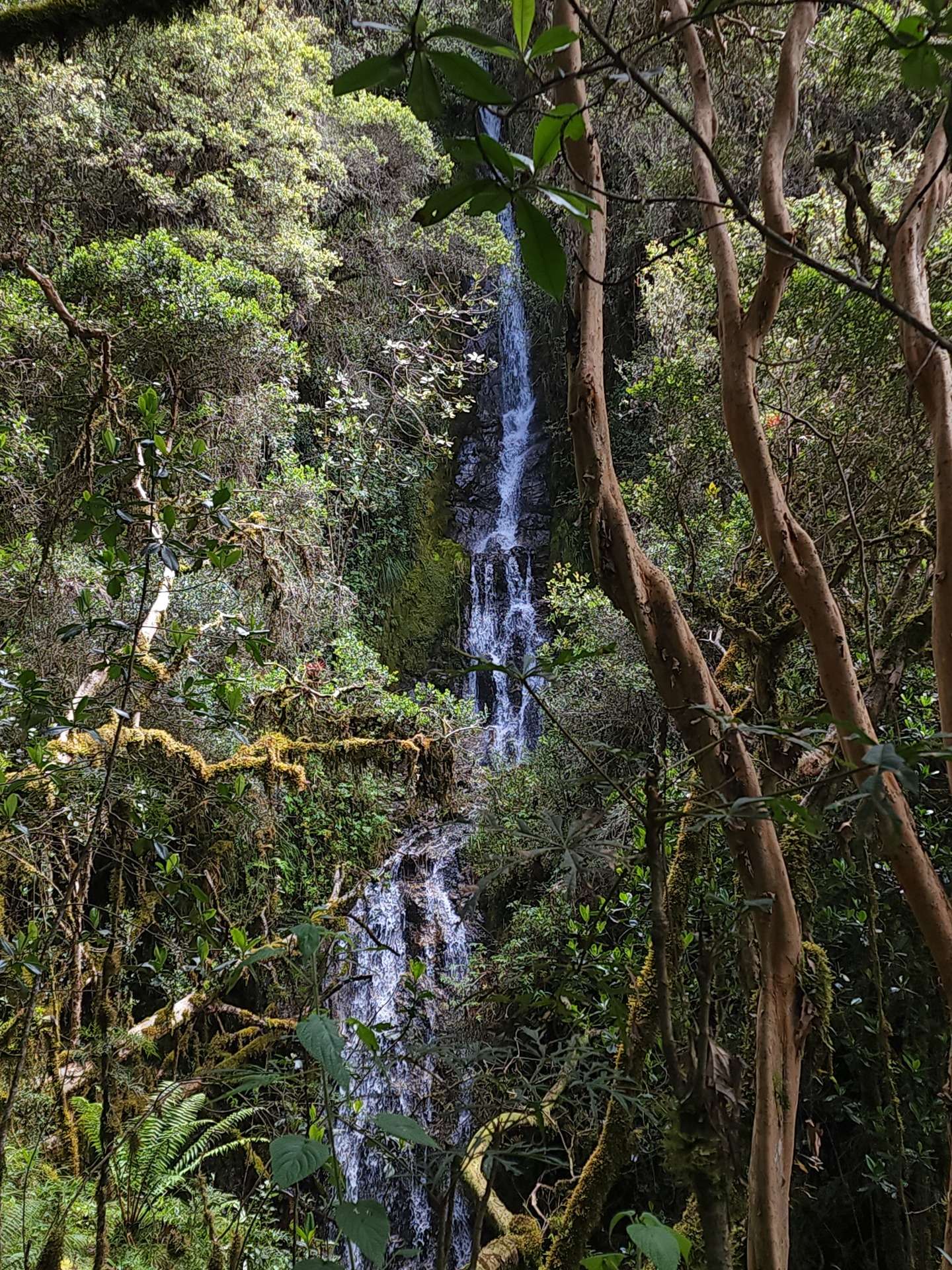
  • Walk through diverse ecosystems — from high-altitude grasslands to misty cloud forests.
  • Enter Machu Picchu through the Sun Gate (Inti Punku) at sunrise — exclusive to Inca Trail hikers.
  • Enjoy gourmet meals, comfortable camping, and expert local guides throughout your journey.
  • Reduced altitude sickness risk with dedicated acclimatization day.
  • Maximum group size of 8 for a personalized trekking experience.
See less
Duration

5 Days

Group Size

8

Language

English, Spanish

Highlights Icon

Highlights

Preparing for Your 5-Day Inca Trail Adventure

The 5-day Inca Trail is designed for trekkers who want to experience this legendary route at a comfortable pace. Here is everything you need to know to prepare.

Physical Training

Begin training at least 6-8 weeks before your trek. Focus on cardio exercises like hiking, running, or cycling to build endurance. Incorporate stair climbing and leg strengthening exercises — you will encounter thousands of stone steps on the trail. Aim for 3-4 hikes of varying lengths and elevations before your departure. The 5-day version is more forgiving than the 4-day, but good fitness still makes the experience much more enjoyable.

Acclimatization in Cusco

Spend at least 2 full days in Cusco (3,400m) before starting the trek. Walk around the city, visit nearby ruins, drink plenty of water and coca tea. Avoid alcohol and heavy meals during your acclimatization period. If arriving from sea level, consider spending a night in the Sacred Valley (2,800m) first for a gentler transition.

What to Expect Each Day

Days typically start between 5:30-6:30 AM with coca tea served to your tent, followed by a hot breakfast. You'll trek for 5-10 hours with regular breaks. Lunch is served on the trail, and you arrive at camp by mid-afternoon. Afternoon tea, dinner, and a pre-briefing for the next day round out the evening. Temperatures drop significantly at night, so warm layers are essential.

The 5-Day Advantage

The extra day (Day 2) is dedicated to gradual acclimatization. While the 4-day trek pushes from Wayllabamba directly to Dead Woman's Pass, the 5-day version breaks this into two manageable days. This significantly reduces the risk of altitude sickness and allows you to arrive at the highest point feeling strong and prepared. It's especially recommended for families, mature trekkers, and anyone concerned about altitude.

Booking Your Permit

Inca Trail permits are strictly limited to 500 people per day (tourists + guides + porters). Peak season dates (May-September) sell out months in advance. We recommend booking at least 4-6 months ahead. Once your permit is purchased, it is non-refundable and non-transferable — your passport details are locked in.

Include/Exclude

  • Pre-Trek Briefing the Evening Before DepartureMeet your guide(s), review the itinerary, and ask any questions
  • Morning Pickup from Your Hotel in Cusco, Urubamba, or Ollantaytambo
  • Private Transportation to the Trailhead at KM 82
  • Professional Licensed Guide Throughout the TrekEnglish, Spanish, French, or Portuguese-speaking - contact us for special language request.
  • Entry Permits to All Sites Along the Trek
  • Personal Porter Team to Carry Up to 8 kg (17.6 lbs) of Your Overnight Gear per Person
  • Spacious High-End North Face 4-Season Tent. 2 People per Tent.
  • Three-Inch Thick Inflatable Mattress
  • Dining Tent Equipped with Tables and Chairs
  • Dedicated Chef with Full Cooking Equipment and Kitchen Tent
  • All Meals Included on the Trek — Breakfast, Lunch, Dinner, Afternoon Tea
  • All Dietary Preferences and Restrictions Accommodated
  • Clean Drinking Water to Refill Water Bottles
  • Hot Water for Washing Up Every Morning and Evening
  • First-Aid Kit with Emergency Oxygen Tank
  • One Entrance Ticket to Machu Picchu Archaeological Complex (6am–11am)
  • Guided Tour of Machu Picchu
  • Bus from Machu Picchu Down to Aguas Calientes (or Walk)
  • Train from Aguas Calientes to Ollantaytambo
  • Private Transport Back to Your Hotel in Cusco
  • Extra Machu Picchu Hikes
  • Travel InsuranceThis is recommended for all international travel.
  • Vendor Purchases and SouvenirsWe will meet locals along the trek route. Many will be selling water, sports drinks, snacks, alcohol, textiles and other souvenirs. Make sure to bring some extra cash for any on trek purchases
  • Meals on Day 5Lunch in Aguas Calientes and dinner in Cusco
  • Sleeping Bag RentalIf you don't have a sleeping bag, you can rent one from our company. Our sleeping bags are made from high-quality materials, designed to keep you warm in temperatures as low as −18°C (0°F). They feature a mummy shape for optimal heat retention and come with a sleeping liner for enhanced warmth and cleanliness. Each bag is meticulously cleaned and maintained after every use. Price: US$ 45.00 per person
  • Trekking Poles RentalTrekking poles, equipped with rubber tips, can be extremely beneficial for navigating rough terrain, especially when ascending or descending trails. You have the option to rent a set from our company. Price: US$ 15.00 per person
  • Gratuities for Our StaffWhile our team is compensated fairly, any extra tips are always appreciated as a token of recognition for their hard work and dedication. Many participants choose to combine their tips and present them either directly to the trekking team or via their guide.
  • Additional Costs and Delays Beyond Our ControlThis may include unexpected events such as landslides, severe weather, changes to the itinerary for safety reasons, health-related issues, pandemics, alterations in government policies, political unrest, strikes, force majeure, and similar circumstances. We typically secure your tickets and all logistics in advance—covering expenses for permits, scheduling, accommodations, supplies, and staff coordination to ensure that everything is ready for your trip. However, should any unforeseen events incur additional costs, these will be the responsibility of the participant, as we also need to rearrange various aspects on our end. We greatly appreciate your understanding and cooperation in these situations.

Travel Itinerary

Day 1 Cusco | Piscacucho (KM 82) – Canabamba – Llactapata – Wayllabamba
Day 2 Wayllabamba – Llulluchapampa (Acclimatization Day)
Day 3 Llulluchapampa | Dead Woman's Pass – Runkurakay – Sayaqmarka – Chaquiqocha
Day 4 Chaquiqocha | Phuyupatamarka – Intipata – Wiñay Wayna
Day 5 Wiñay Wayna – Sun Gate – Machu Picchu – Aguas Calientes – Cusco

Book This Tour

Person Info

Adults
$1,095.00
Loader
Thank You
Booked Successfully
  • Tour extra
  • Traveler info

In this section, you'll find the additional services we offer for our tours. If you wish to avail of any extra services, simply select them here.

Select Quantity
-
+
Select Quantity
-
+

Enter all Fields exactly as they appears on passport.

Booking Summary

Inca Trail 5 Days / 4 Nights

Back
Book Now
Select Date
00 Month
Guests
00 Guest
Adults
Book Now
Select Date
00 Month
Guests
00 Guest
Adults

Leave your review

Your email address will not be published. Required fields are marked.

Have a question in mind

Do not hesitate to give us a call. We are an expert team and we are happy to talk to you.

Frequently Asked Questions

How difficult is the 5-Day Inca Trail compared to the 4-Day version?
The 5-day version is more relaxed than the classic 4-day trek. By splitting the hardest section into two days, you get an extra acclimatization day before tackling Dead Woman's Pass (4,215m). This makes it ideal for families, older trekkers, or anyone who wants to enjoy the journey at a comfortable pace without the intense pressure of the 4-day schedule. The overall distance and route are the same — you simply have more time to appreciate it.
How far in advance should I book the Inca Trail?
We recommend booking at least 4-6 months in advance, especially for peak season (May through September). The Peruvian government limits the trail to 500 people per day (tourists, guides, and porters combined), and popular dates sell out within hours of release. We will secure your permit as soon as you confirm your booking. Permits are non-refundable and non-transferable once purchased.
What is altitude sickness and how is it managed?
Altitude sickness (soroche) can affect anyone above 2,500m and symptoms include headaches, nausea, dizziness, and shortness of breath. Our guides are trained in altitude management and carry emergency oxygen. We recommend spending at least 2 full days acclimatizing in Cusco (3,400m) before starting the trek. Drinking coca tea, staying hydrated, eating light meals, and ascending gradually all help. The 5-day version is particularly good for altitude management because of the extra acclimatization day.
What documents do I need for the Inca Trail?
You need your original passport — the same one used when booking your trek. Your passport details are registered with the government permit and checked at the trailhead. If you renew your passport between booking and your trek date, contact us immediately as the permit must be updated. Students aged 18-25 with a valid university ID card can receive a discount. Bring both your passport and student ID on the trek.
What gear is provided and what should I bring?
We provide all camping equipment: 4-season tents, inflatable sleeping mats, dining tent with tables and chairs, and a full kitchen. You need to bring your own daypack, hiking boots, rain gear, warm layers, headlamp, water bottles (2-3L, Camelbaks encouraged), and toiletries. Sleeping bags and trekking poles can be rented from us. See our Packing List tab for a complete breakdown.
What are the meals like on the trek?
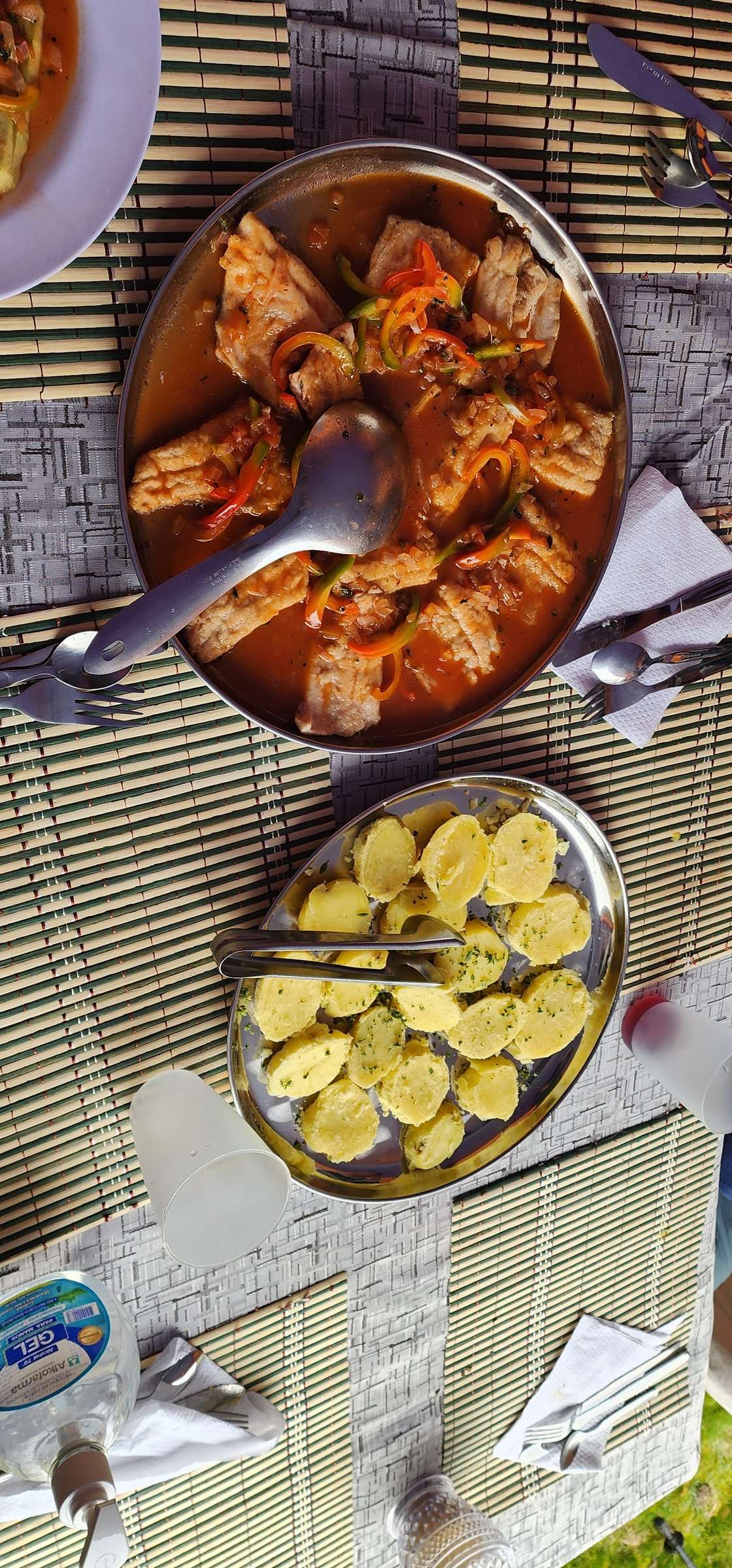
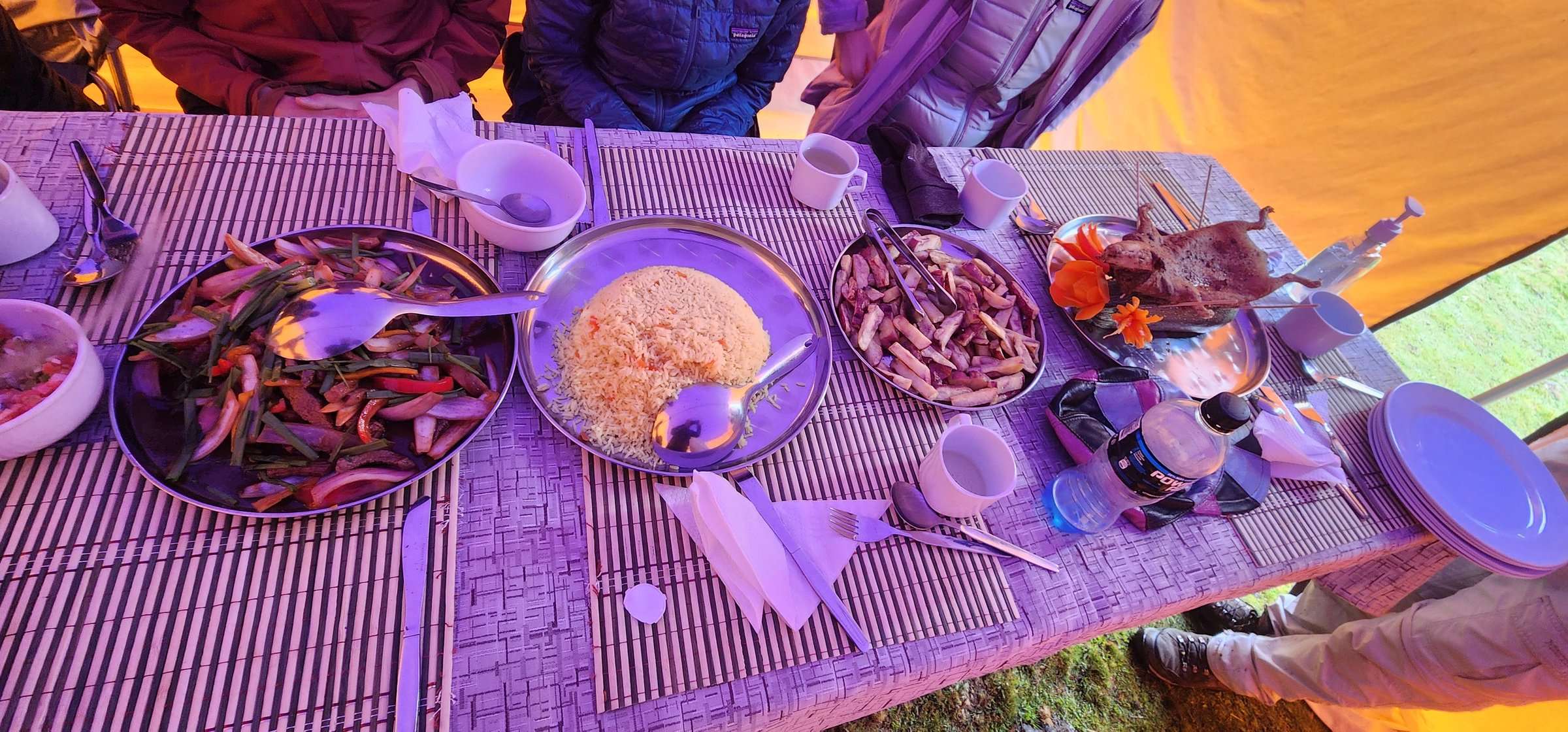
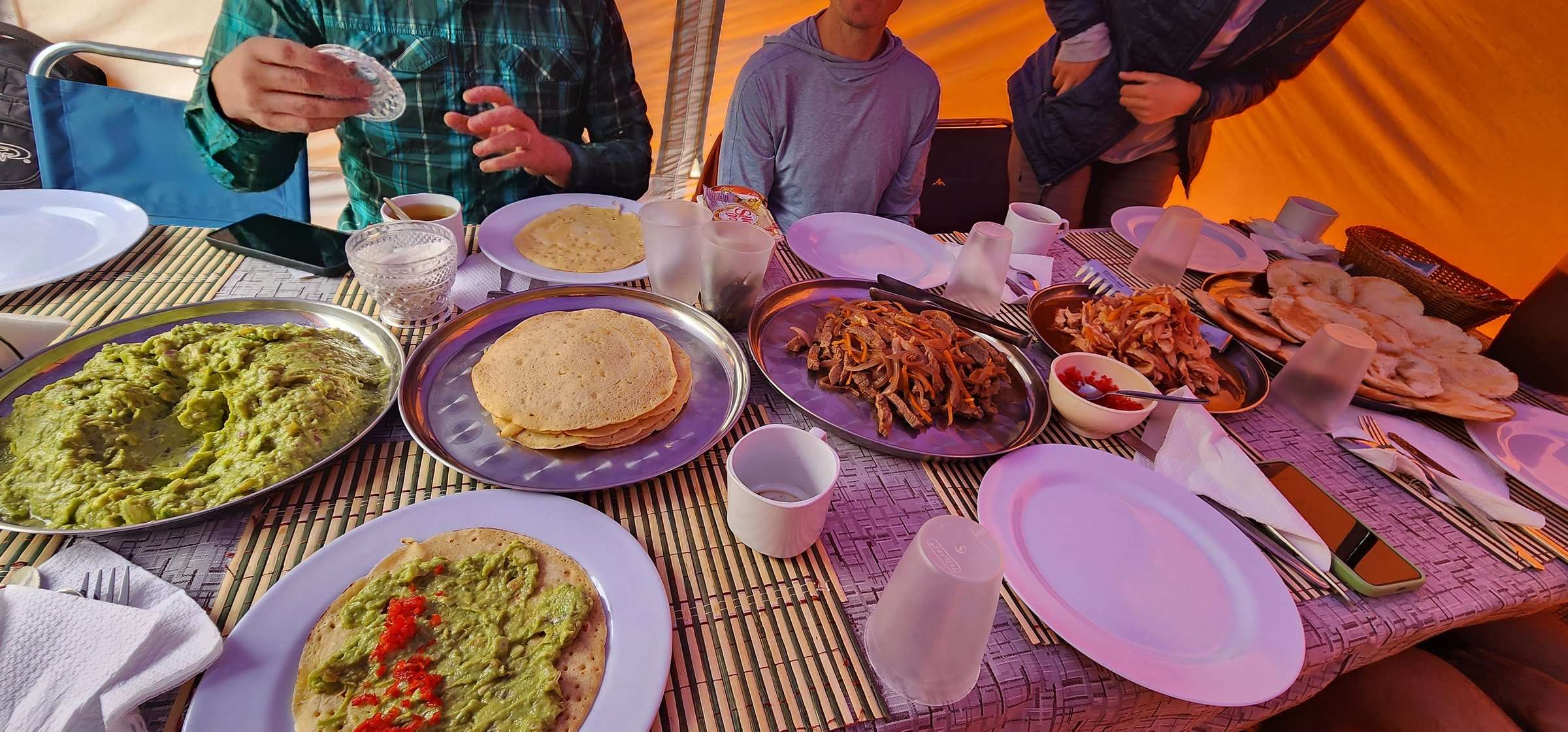
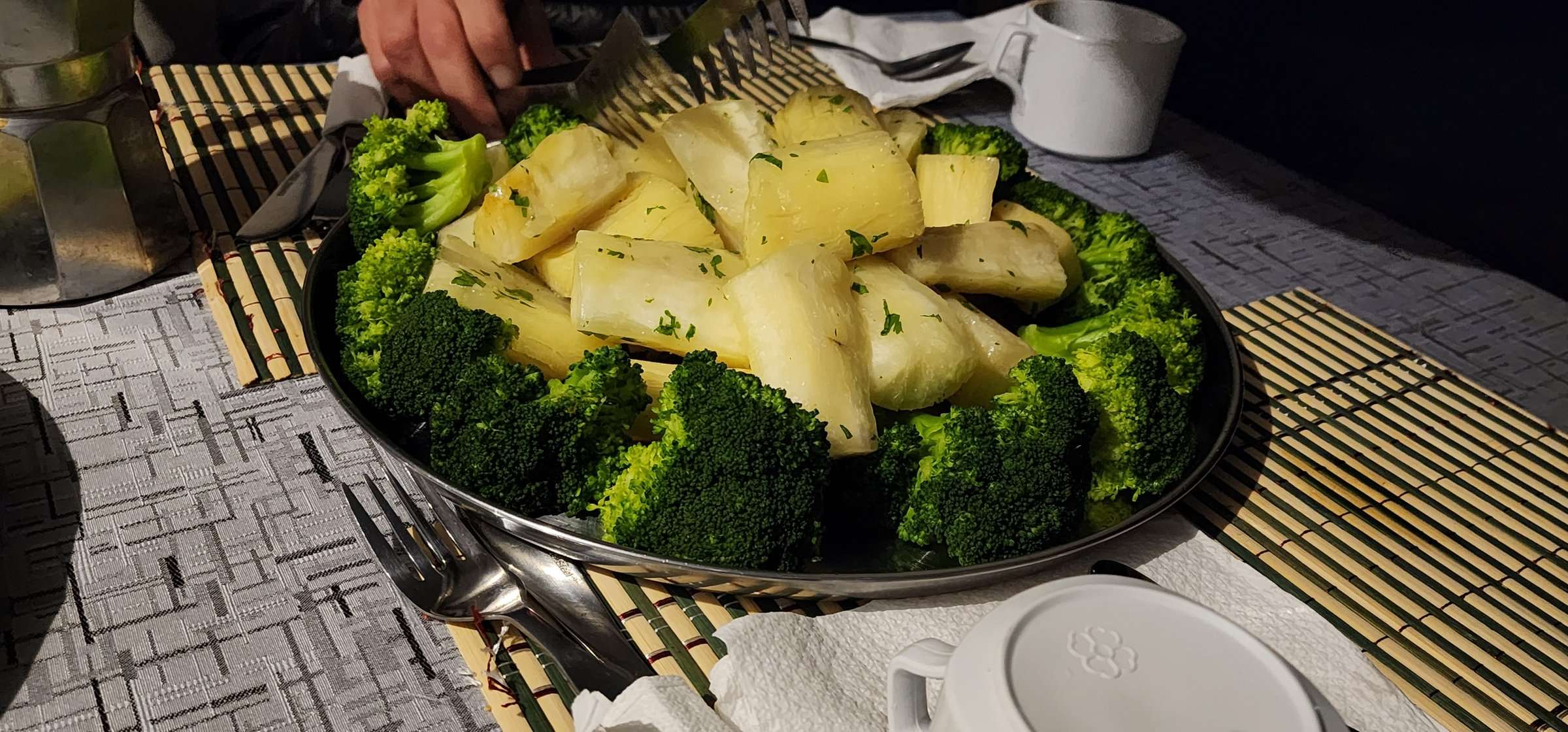
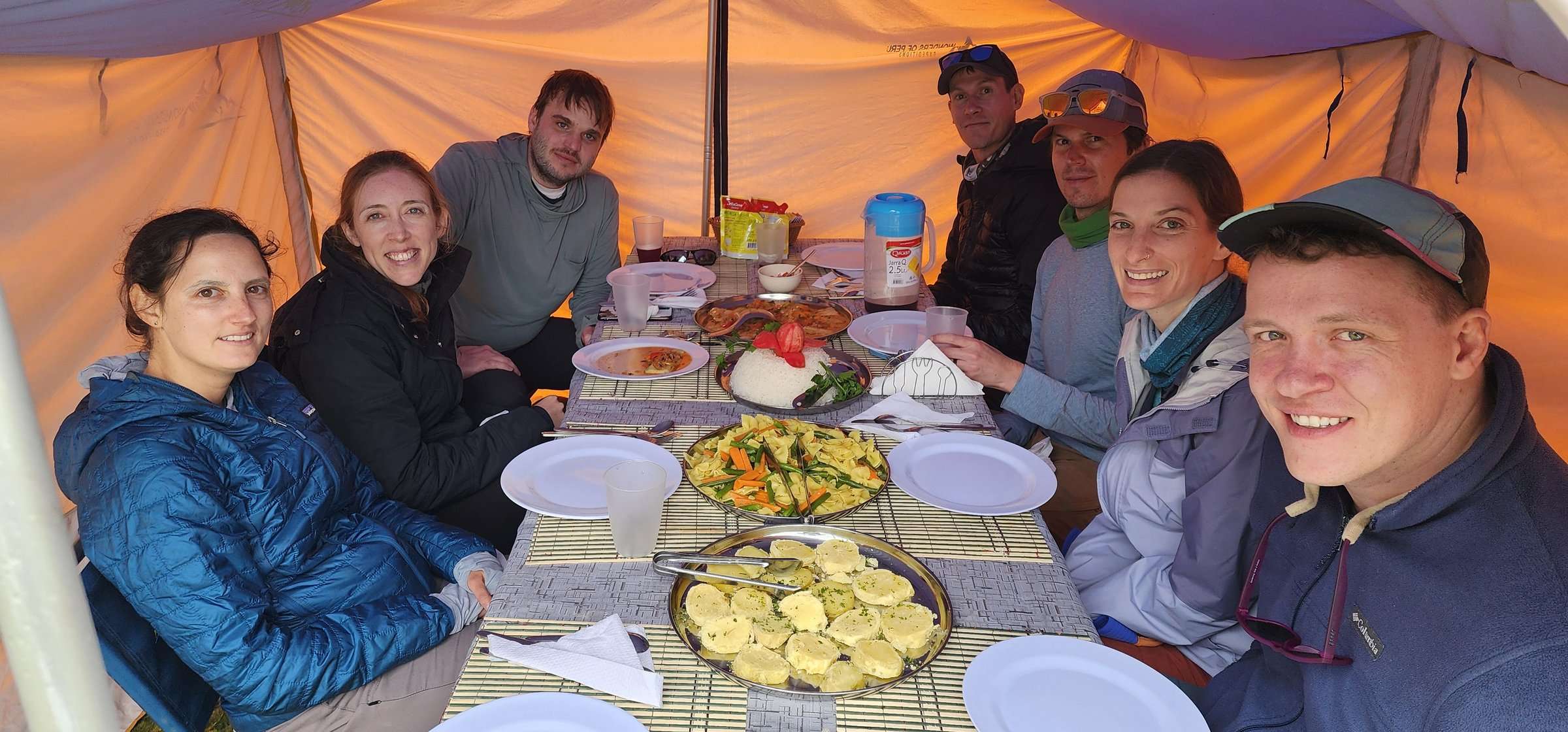
Our dedicated chef prepares fresh, nutritious meals throughout the trek — far beyond basic trail food. Expect hearty breakfasts (pancakes, eggs, fresh fruit, hot drinks), packed lunches with sandwiches, salads, and snacks, and multi-course dinners with soup, main courses, and dessert. We accommodate all dietary requirements including vegetarian, vegan, gluten-free, and allergies. Afternoon tea with hot drinks and snacks is served at camp each day. Many trekkers say the food is the highlight of the trip.
What are the toilet facilities like on the trail?
There are basic toilet facilities at each campsite (pit toilets). Some trekkers find these uncomfortable, which is normal. We recommend bringing your own toilet paper and hand sanitizer. The campsites at Wayllabamba and Wiñay Wayna have the best facilities along the route.
Is there phone or internet access on the trail?
There is no Wi-Fi or reliable phone signal on the Inca Trail. You may get sporadic cell signal at some higher points and at Wiñay Wayna campsite, but do not count on it. We recommend using this as an opportunity to disconnect and fully immerse yourself in the experience. Our guides carry emergency communication equipment for safety purposes.
What is the weather like on the Inca Trail?
Weather on the trail is highly variable. Dry season (May-September) has clear skies and cold nights, while wet season (October-April) brings rain and lush green scenery. Temperatures range from near-freezing at Dead Woman's Pass (4,215m) to warm and humid in the cloud forest sections. We recommend layering: thermal base layer, fleece mid-layer, waterproof outer layer. Pack good rain gear regardless of season — afternoon showers can occur any time of year. The trail is closed every February for maintenance.
Do I need travel insurance?
Yes, we strongly recommend comprehensive travel insurance that covers trekking at altitude (up to 4,500m), emergency medical evacuation by helicopter, trip cancellation, and lost/stolen baggage. The Inca Trail is remote and helicopter evacuation is the only way out in a medical emergency. Make sure your policy specifically covers high-altitude trekking in Peru.
How much should I tip the trekking team?
Tipping is customary but not mandatory. Our team is fairly compensated, but tips are always appreciated as recognition of their hard work. A common approach is to collect tips from the group and present them at the end of the trek. Suggested amounts: Guide — US$ 30-50 per trekker; Cook — US$ 15-25 per trekker; Porters — US$ 10-15 per porter per trekker. You can tip individually or as a group via your guide.
What happens if I can't finish the trek?
If you need to leave the trail for medical reasons, our guide will arrange the safest exit. From certain points, horse or mule evacuation to the nearest road is possible. In serious cases, helicopter evacuation can be arranged (covered by travel insurance). Our guides carry first aid kits and emergency oxygen, and are trained to assess altitude-related conditions. This is another reason why the 5-day version is recommended — the extra day significantly reduces the risk of altitude-related issues.

Tour Terms & Conditions

Essentials - What to Take With You

  • Original passport (the same used for booking your trek)
  • Valid University card (if you booked as a student)
  • Good daypack
  • Water storage: 2-3 L (Camelbaks are HEAVILY encouraged)
  • Comfortable hiking boots with ankle support
  • Sleeping bag (can be rented for USD 45)
  • Trekking poles (can be rented for USD 15)
  • Headlamp: essential
  • Toilet paper
  • Good rain gear

What to Put in the Duffel Bag

As a local tour operator, we provide you with a duffel bag during your briefing and include the services of an additional porter to carry up to 7 kg (15 lbs) of your gear. This allowance covers your sleeping bag, mattress, and any extra clothing you may need. Peruvian regulations ensure that no duffel bag exceeds 7 kg to safeguard the health of our porters and any horses used during the trek. All bags will be weighed prior to acceptance. If your gear exceeds this limit, you will need to carry the additional weight in your day pack. From the 7 kg allowance, allocate 2 kg for your sleeping bag and 1 kg for your sleeping pad, leaving you with approximately 4 kg for your personal belongings.

  • 2-3 t-shirts
  • 2 hiking pants
  • 4-5 sets of undergarments
  • 4-5 sets of hiking socks
  • Fleece / Thermals
  • Warm clothes, down jacket - 2nd campsite temp around 3 C
  • Waterproof gloves
  • Comfortable shoes/sandals for camp
  • Quick-dry towel
  • Small bottle of soap: we provide warm water each day to wash
  • Battery charger: No electricity along the trek
  • Sleeping bag: It has to be at least -15 C - This can be rented from us for USD 45

Toiletries

  • Face moisturizer
  • Hand sanitizer
  • Wet wipes
  • Toothbrush and toothpaste
  • Personal medications
  • First aid kit: band aids, moleskin, etc.

What to Put in the Day Backpack

We highly recommend a small backpack 30 to 40L for hiking in the day. A big backpack will not be allowed into Machu Picchu. The remainder of your belongings will be in your duffel bag at camp.
  • Water: Please supply your own water until the first lunch spot, we will then provide you with cold boiled water at every meal time. Please bring your canteens.
  • Sun hat and sunglasses
  • Sunscreen
  • Insect repellent
  • Headlamp
  • Wool hat and gloves
  • Rain gear
  • Fleece or warm layer
  • Snacks like chocolate bars, cereal bars or any dry fruits
  • Personal First Aid kit and personal medications
  • Camera
  • Hand sanitizer
  • Toilet paper and small plastic bag for waste
  • Valuables

Your Question