+51 984 187 714 | 💬 +1 (678) 749-0170 | Book Your Machu Picchu trip today! Tickets are Selling Fast!
f in
Book Now
Book Now 📅 Inca Trail Availability

Ancascocha Trek 5 Days 4 Nights to Machu Picchu

Ancascocha Trek 5 Days -- The Super Inca Trail to Machu Picchu The Ancascocha Trek, also known as the "Super Inca Trail" or "Hidden Inca Trail," is a challenging 5-day private trek through some of the most remote and untouched landscapes in the Cusco region. This trek follows ancient In...See more

Ancascocha Trek 5 Days — The Super Inca Trail to Machu Picchu

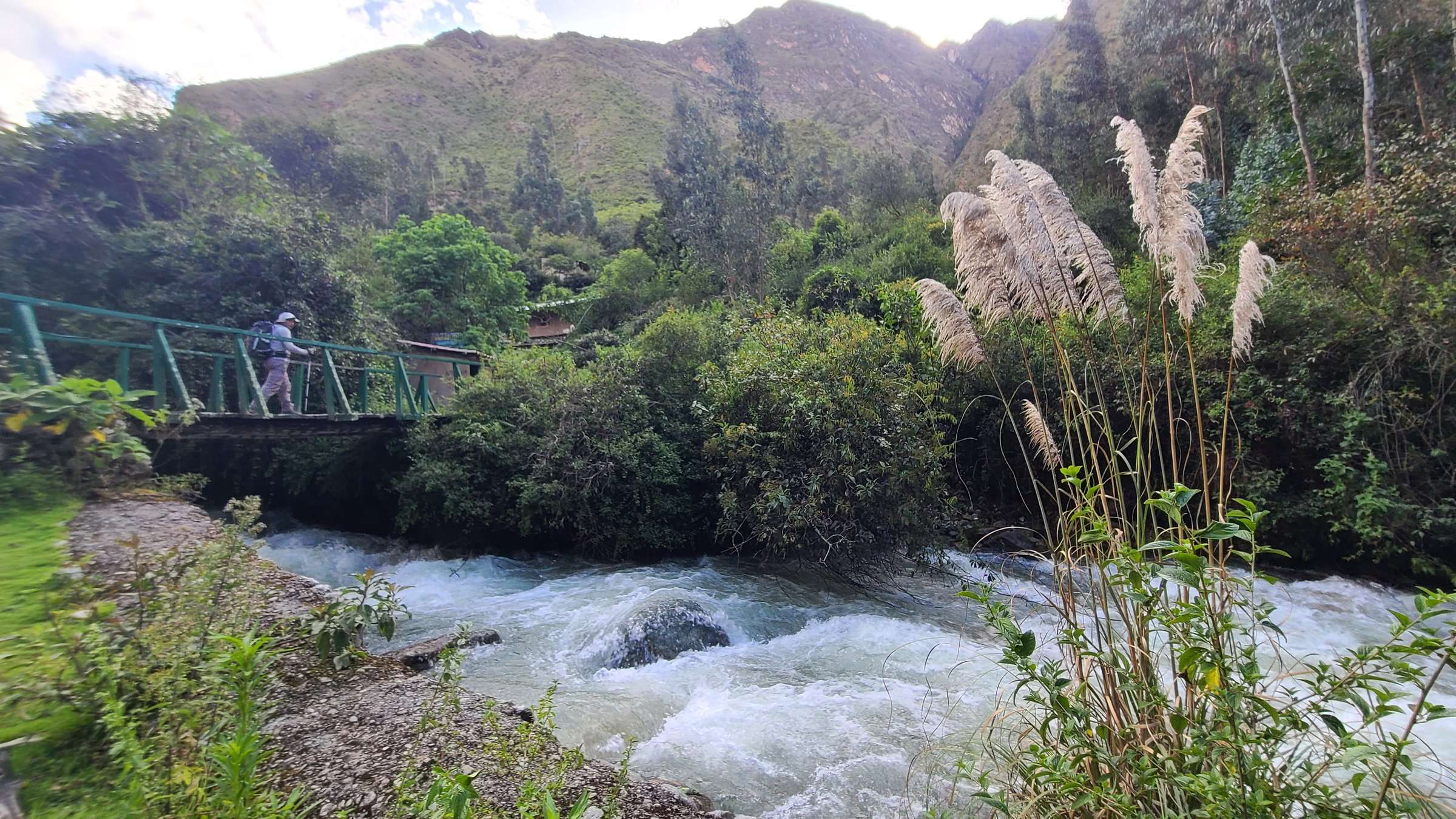
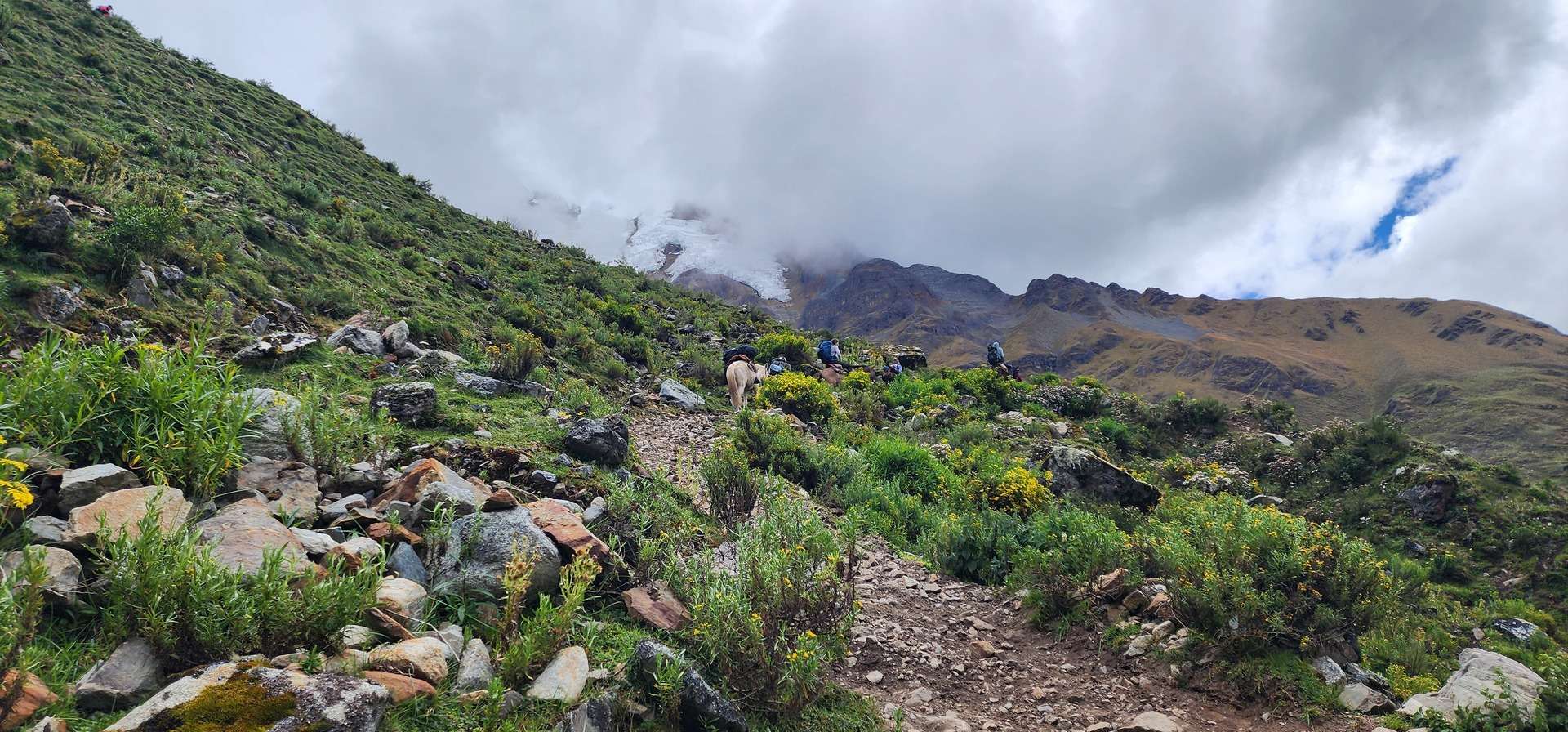
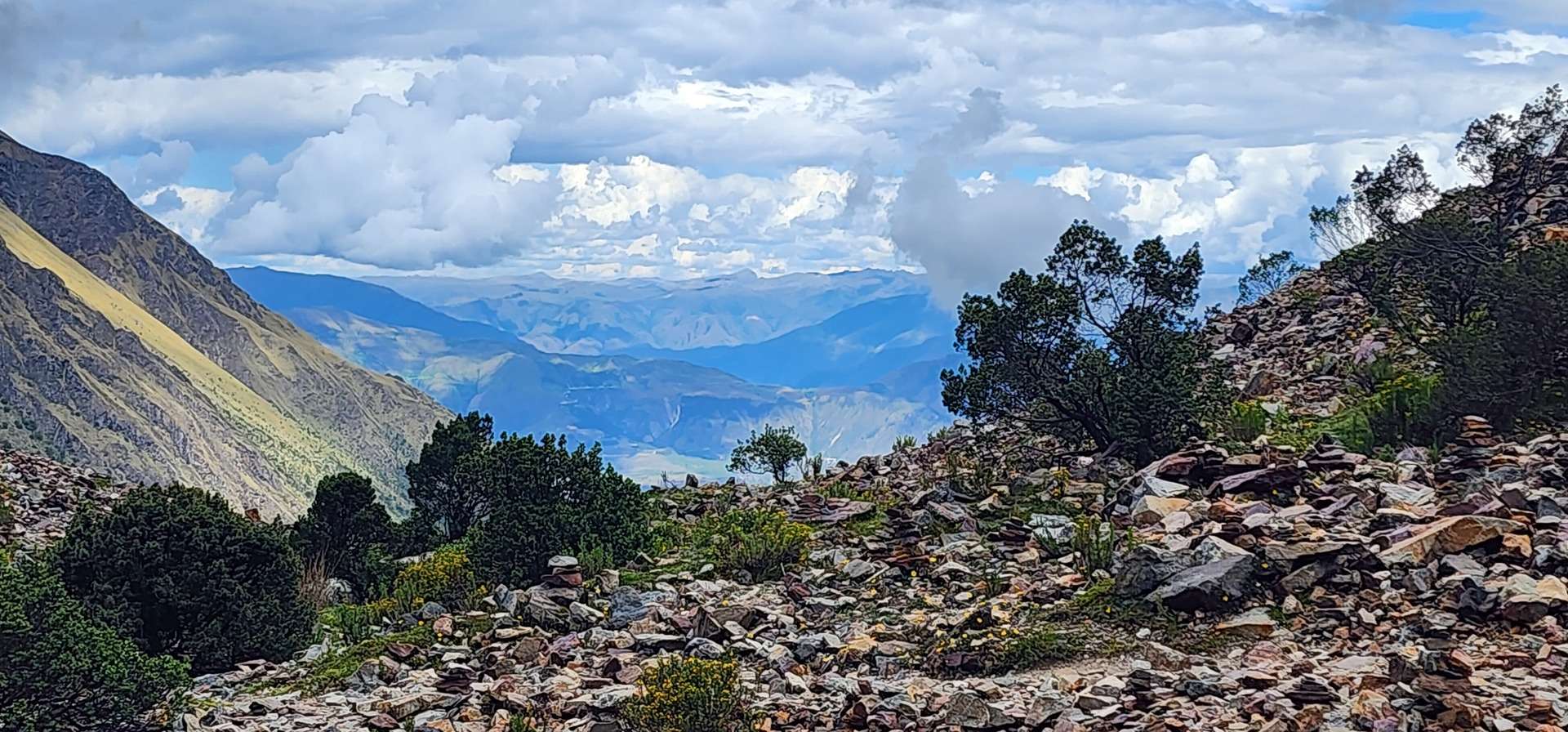
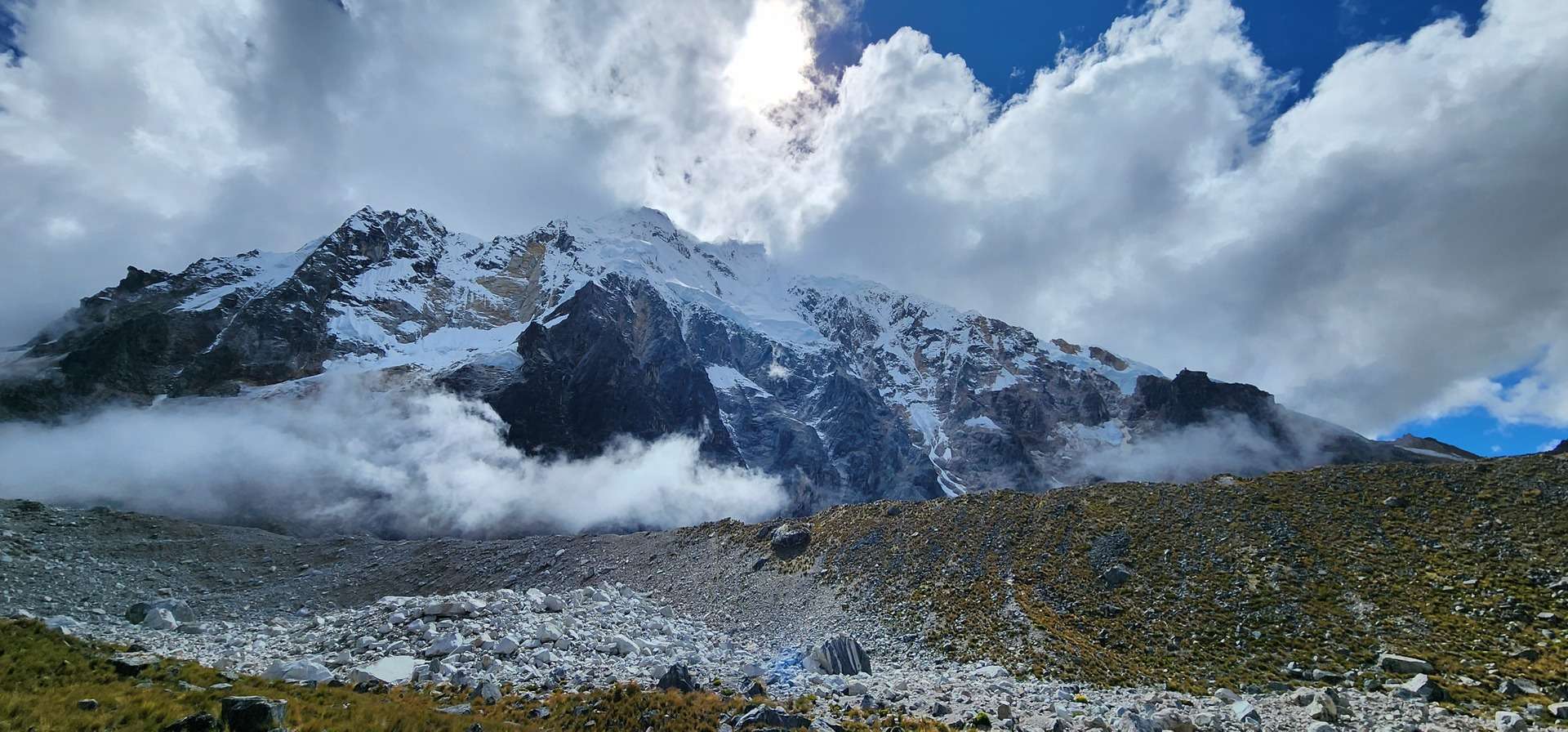
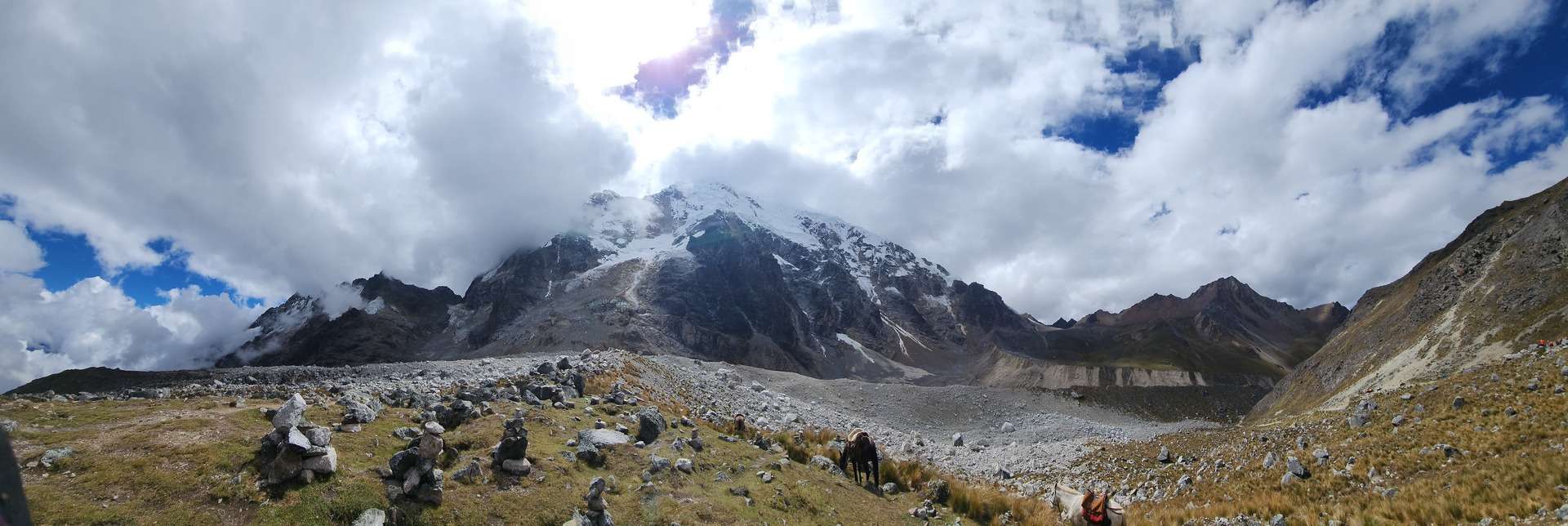
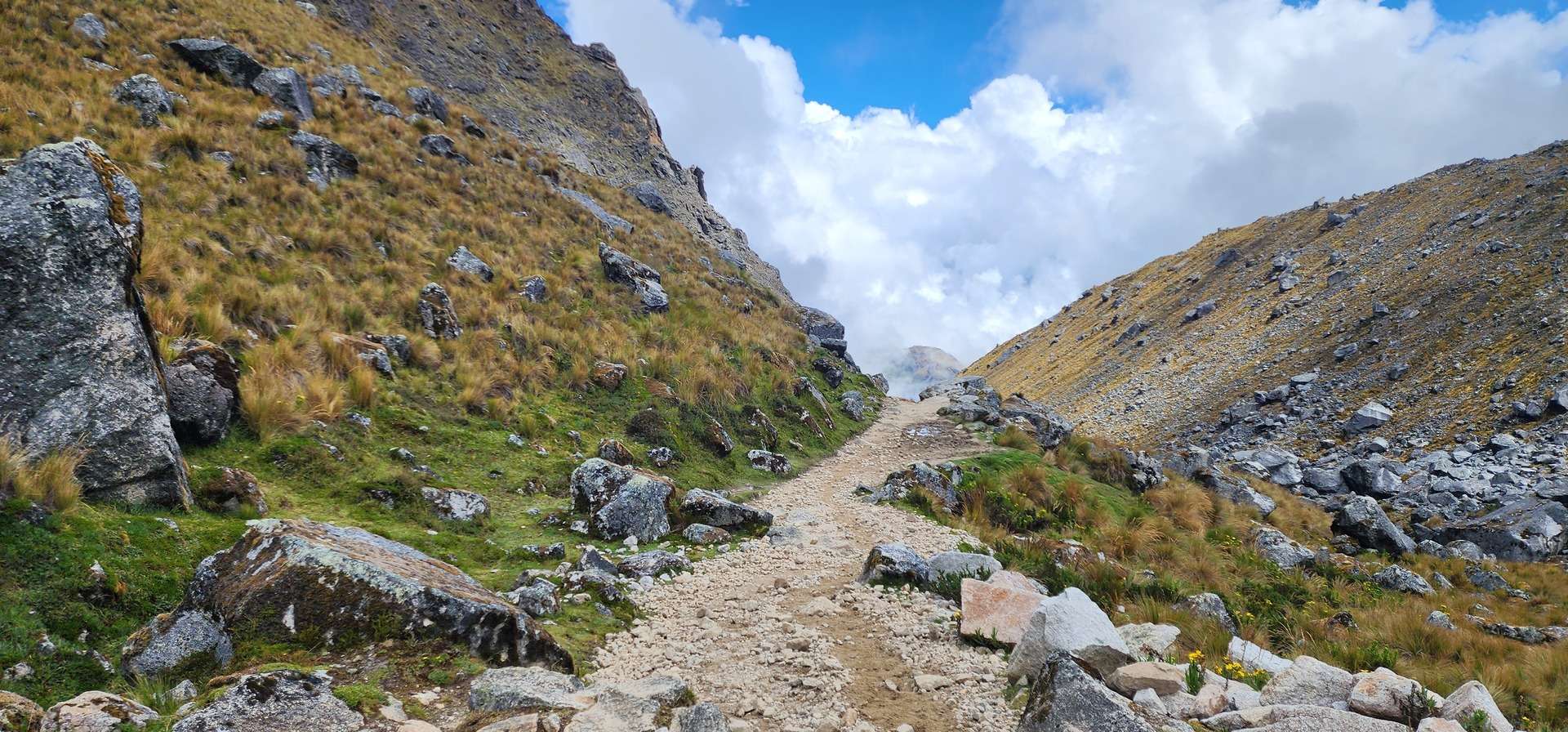
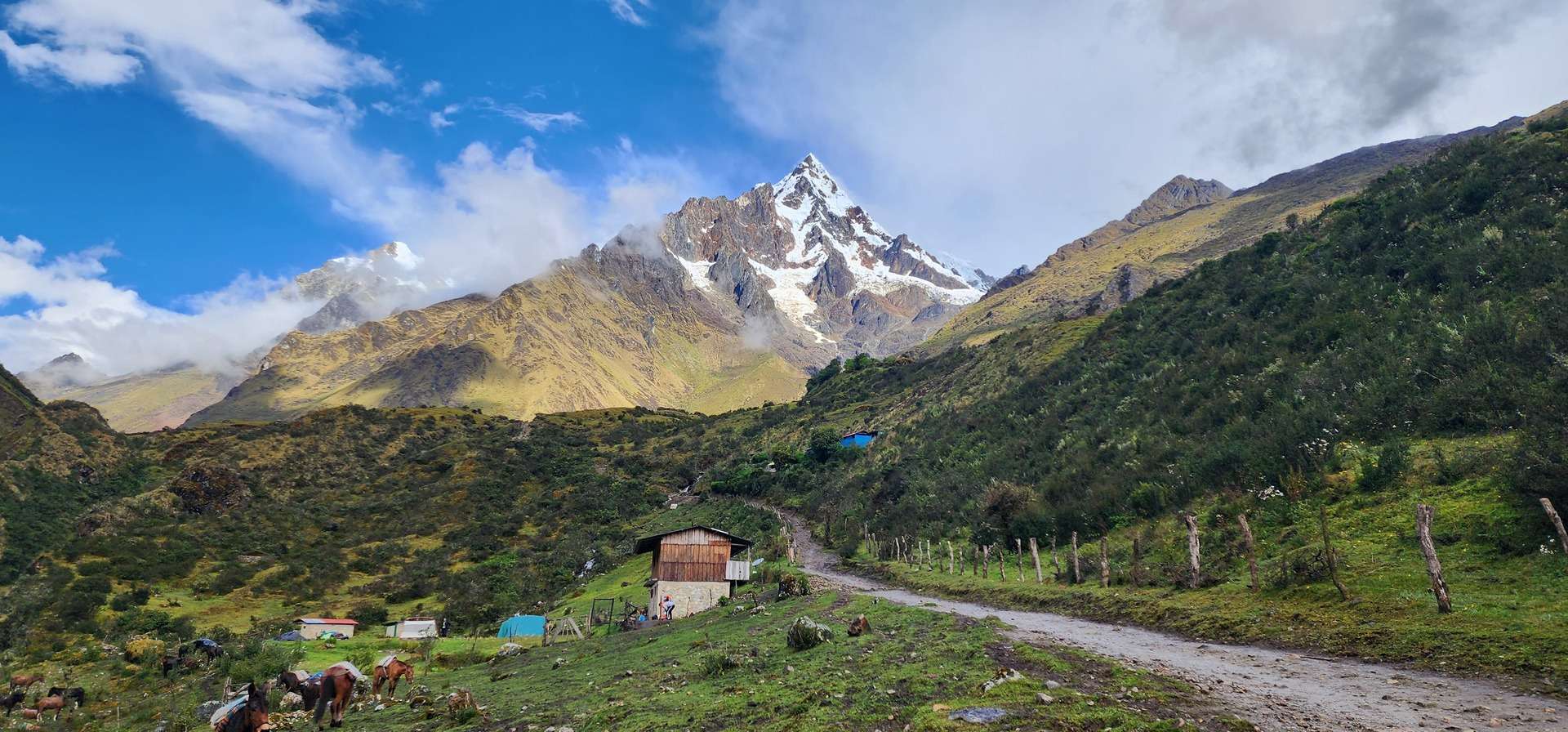
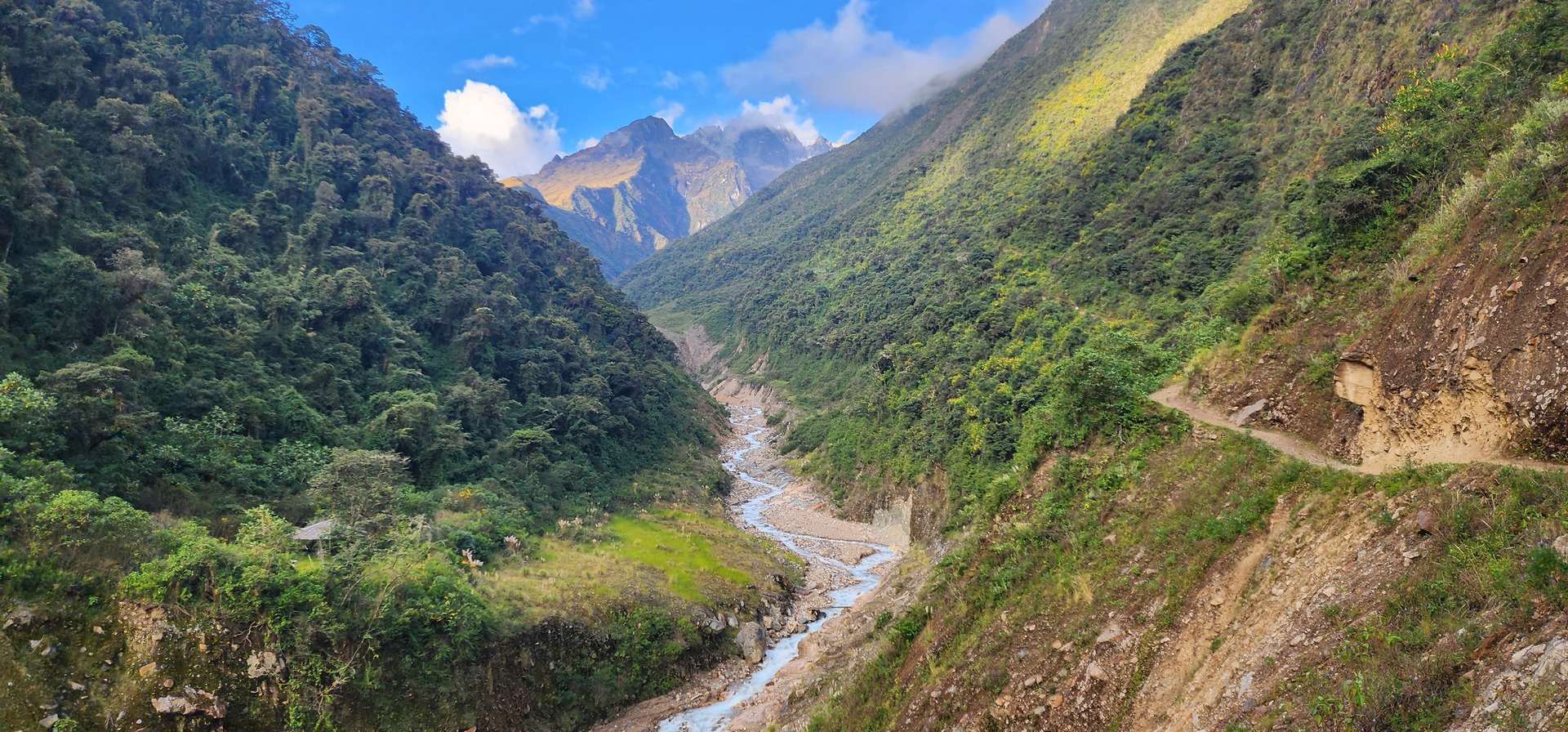
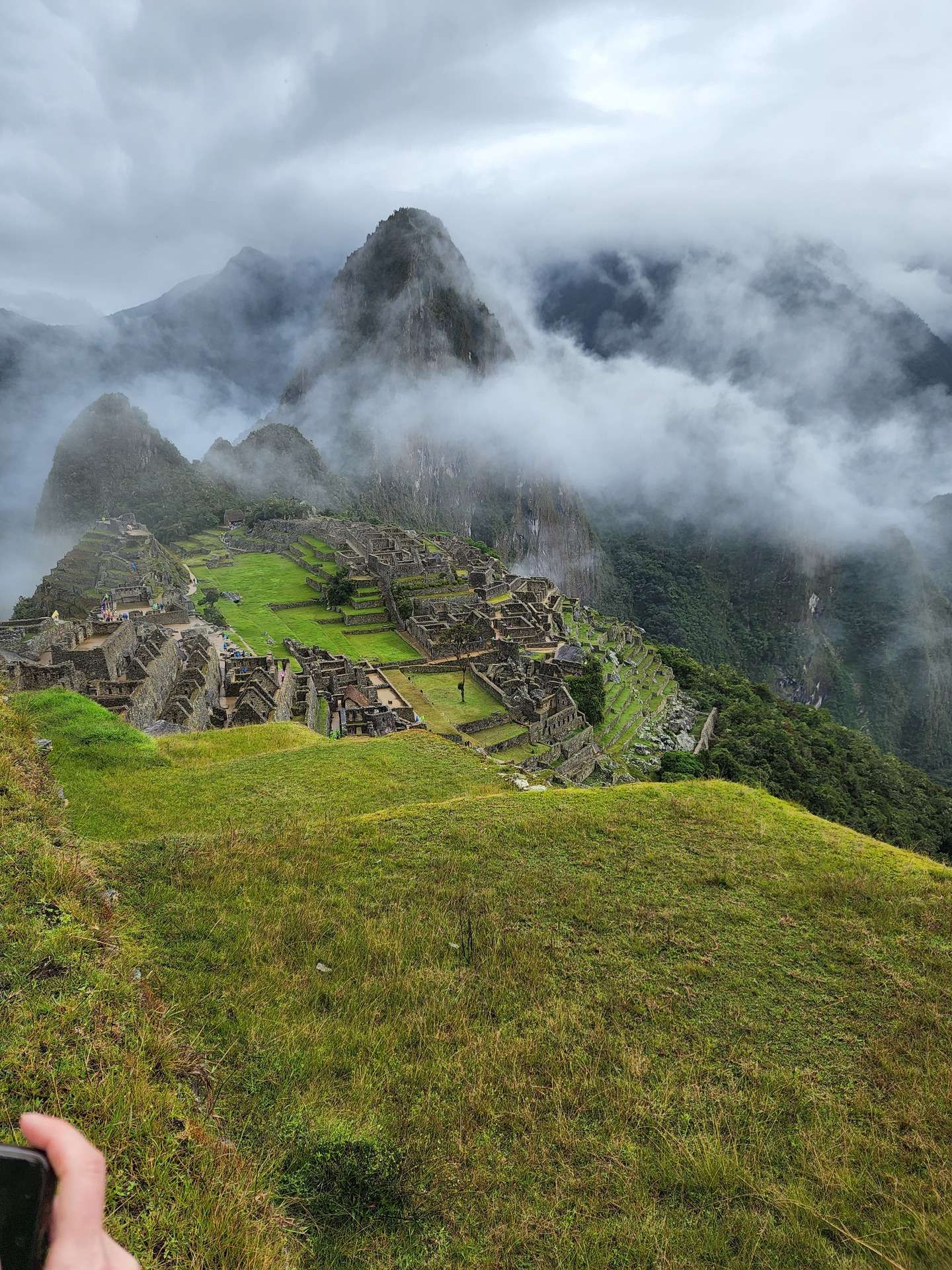
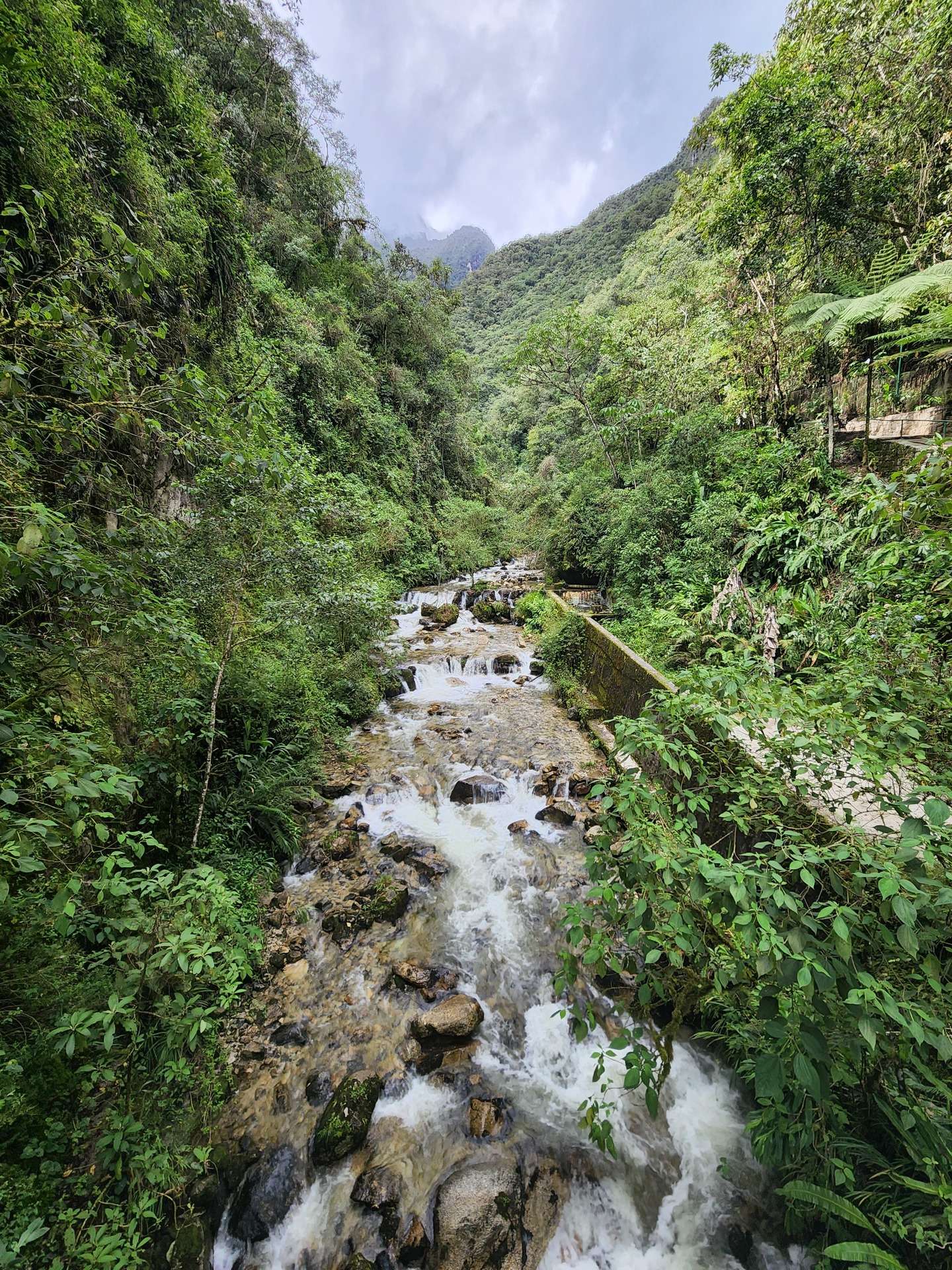
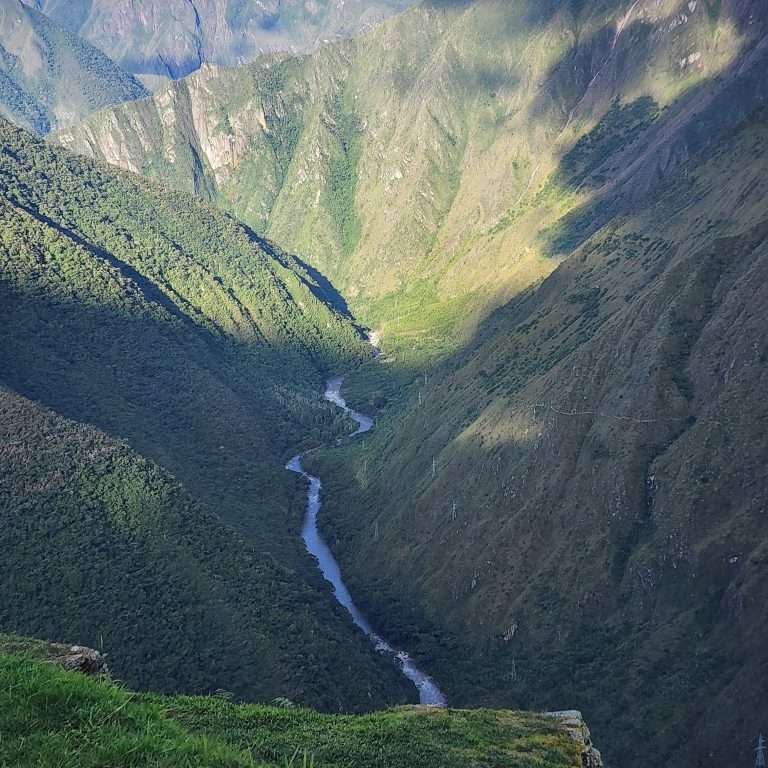
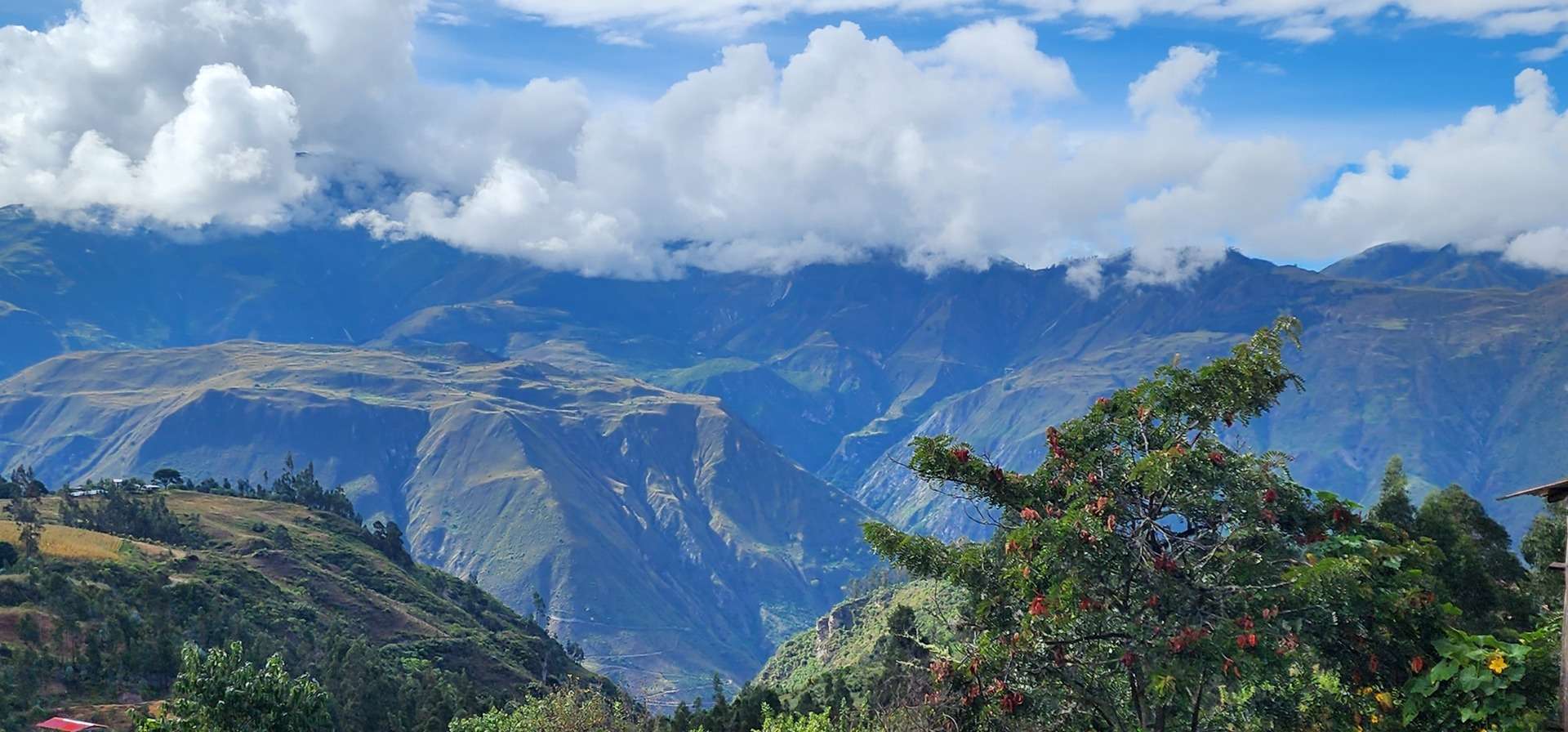
The Ancascocha Trek, also known as the “Super Inca Trail” or “Hidden Inca Trail,” is a challenging 5-day private trek through some of the most remote and untouched landscapes in the Cusco region. This trek follows ancient Inca pathways through high-altitude passes, glacial valleys, and traditional farming communities before connecting with the Short Inca Trail for a dramatic Sun Gate entrance to Machu Picchu.

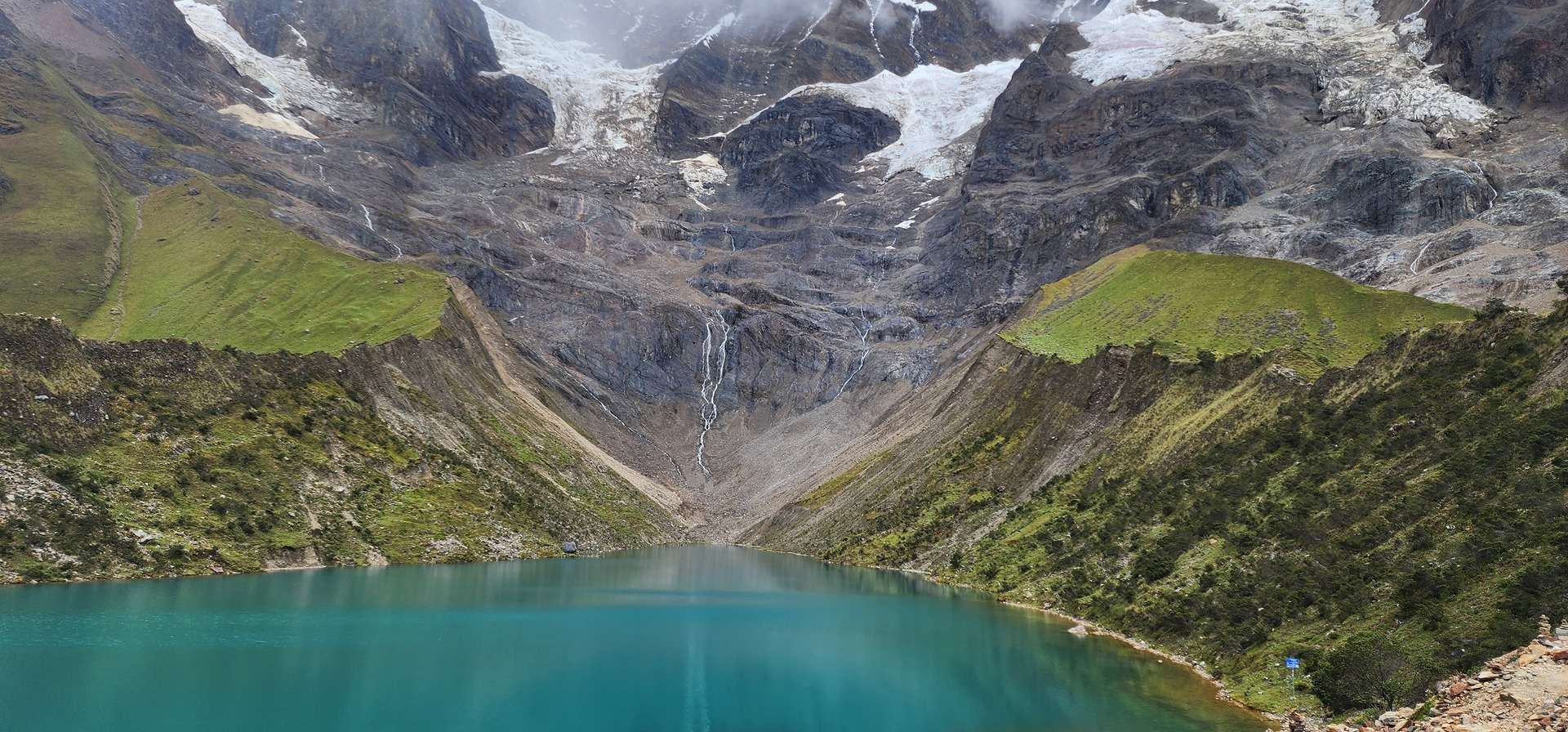
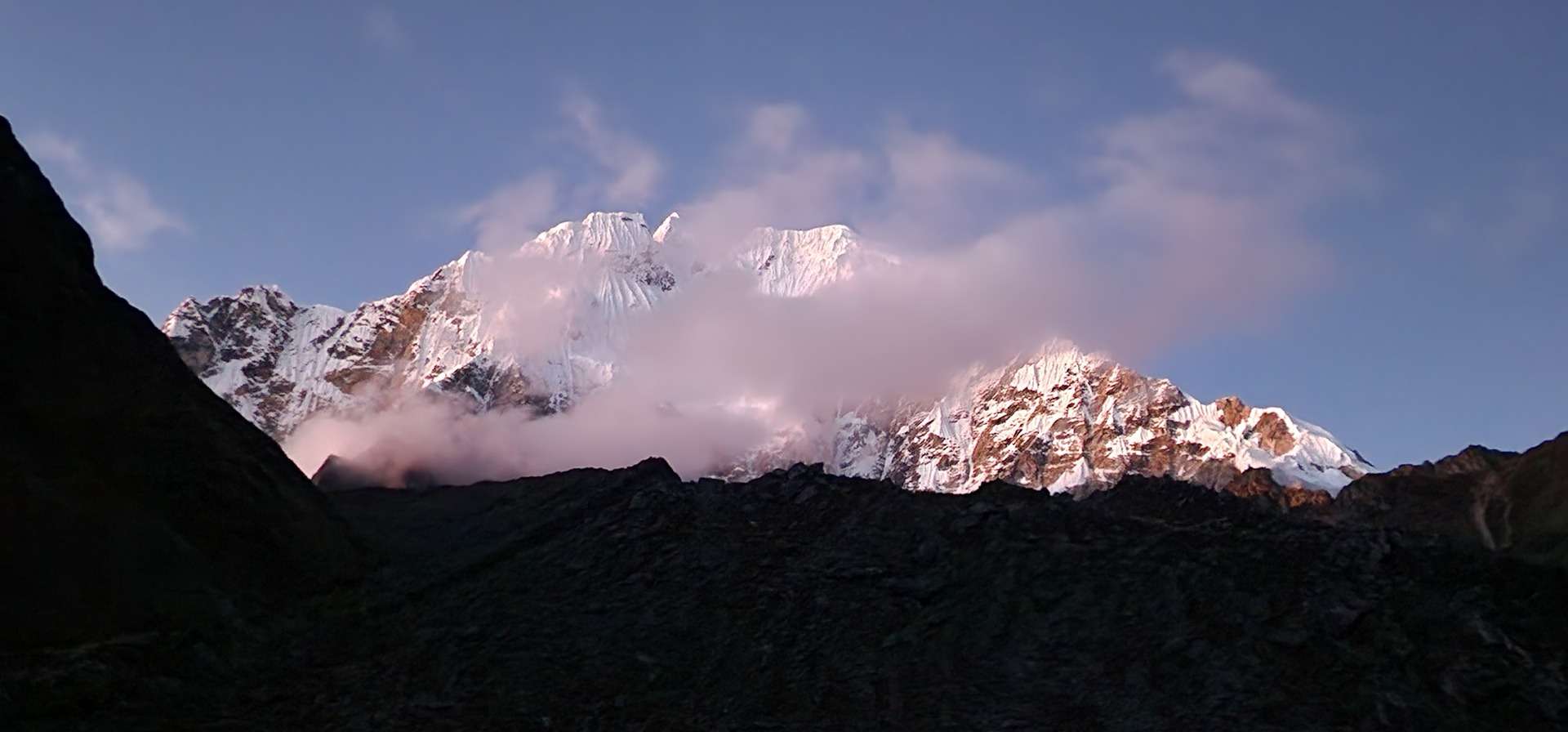
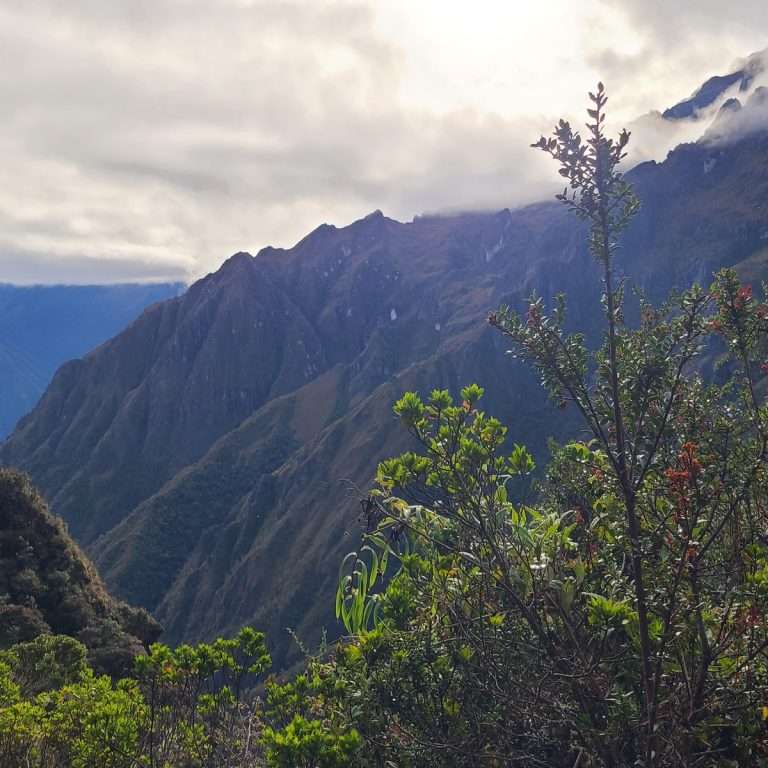
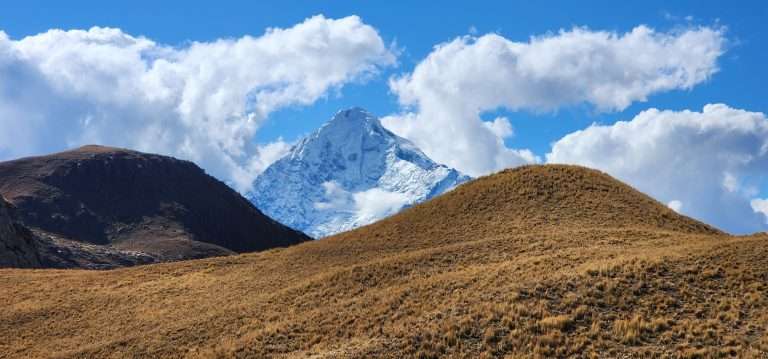
With fewer than 10 trekkers per day on this route, the Ancascocha Trek offers true wilderness solitude that the Classic Inca Trail and Salkantay treks no longer provide. The scenery is extraordinary — soaring snow-capped peaks, pristine glacial lakes, and vast highland grasslands where Andean condors circle overhead.

Why Choose This Trek?

The Ancascocha Trek is for experienced trekkers seeking a genuine challenge and complete wilderness immersion. The route is steeper, higher, and more remote than other alternatives, making it the most exclusive and rewarding trekking experience in the Cusco region. The combination of challenging trekking and a Sun Gate entrance to Machu Picchu makes this the ultimate Peru trek for serious hikers.

See less
Duration

5 Days

Group Size

2-12

Language

English / Spanish

Highlights Icon

Tour Highlights

Preparing for Your Salkantay Trek Adventure

Embarking on the Salkantay Trek is an exciting journey, and proper preparation is key to making the most of this incredible experience. Here are some essential tips to ensure you are ready for the trek ahead.

Physical Training

Begin your training at least a few weeks prior to your departure. Incorporate regular cardio exercises such as hiking, running, or swimming to build your endurance. Focus on strength training, especially for your legs, to handle the varying terrain. Aim for at least three to four hikes of varied lengths and elevations to simulate the conditions you will encounter on the trail.

Acclimatization in Cusco

As part of your preparation, plan to spend two full days in Cusco before starting the Salkantay Trek. This will help your body adjust to the high altitude, reducing the risk of altitude sickness. Take it easy during this time; explore the city at a relaxed pace, stay hydrated, and consider light activities to acclimate properly.

Gear Essentials

Having the right gear is crucial for your comfort and safety. Be sure to review the packing list thoroughly to ensure you have everything you need for the trek. It is also important to keep in mind that your passport must be valid for more than six months beyond your return date back home.

Health and Safety Precautions

Stay hydrated before and during the hike. Consult with your doctor about travel insurance and any vaccinations you might need prior to your trip. Additionally, pack a basic first aid kit, including personal medications.

Packing Smart

Keep your pack organized by using packing cubes or dry bags to separate items. Include quick-dry towels, biodegradable soap, sunscreen, insect repellent, and snacks for energy. Leave behind any unnecessary items to lighten your load.

Mental Preparation

Mental readiness is just as important as physical conditioning. Familiarize yourself with the trail and the history of the Inca civilization. Understanding the significance of the sites you will be visiting can enhance your experience. By preparing thoroughly for your Salkantay Trek adventure, you will be set to appreciate the breathtaking landscapes and rich culture that await you on this remarkable journey. Happy trekking!

Include/Exclude

  • Hotel pickup & drop-offPrivate transport from Cusco hotel
  • Professional bilingual guideEnglish/Spanish-speaking guide for entire trek
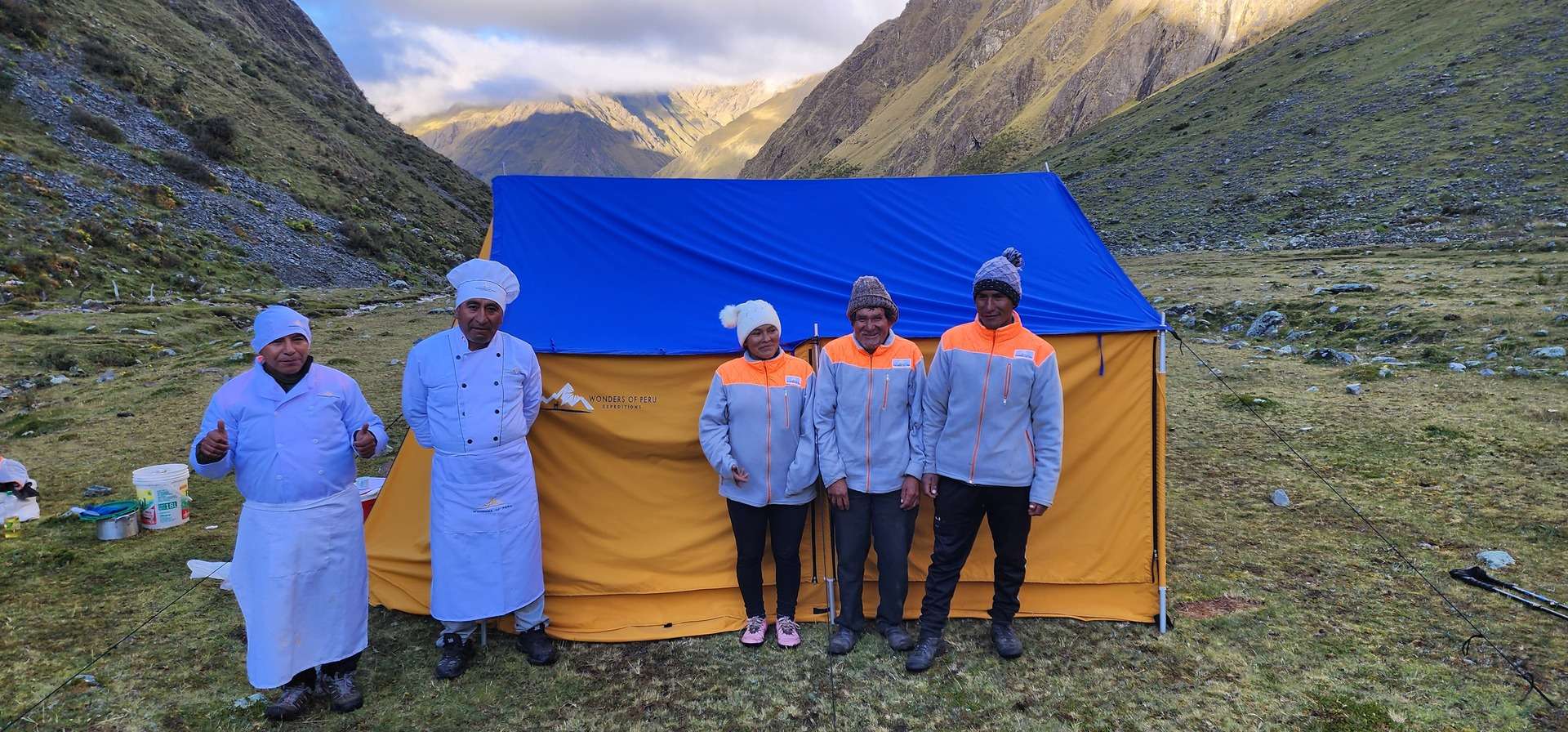
  • All mealsBreakfast, lunch, dinner prepared by professional trek chef
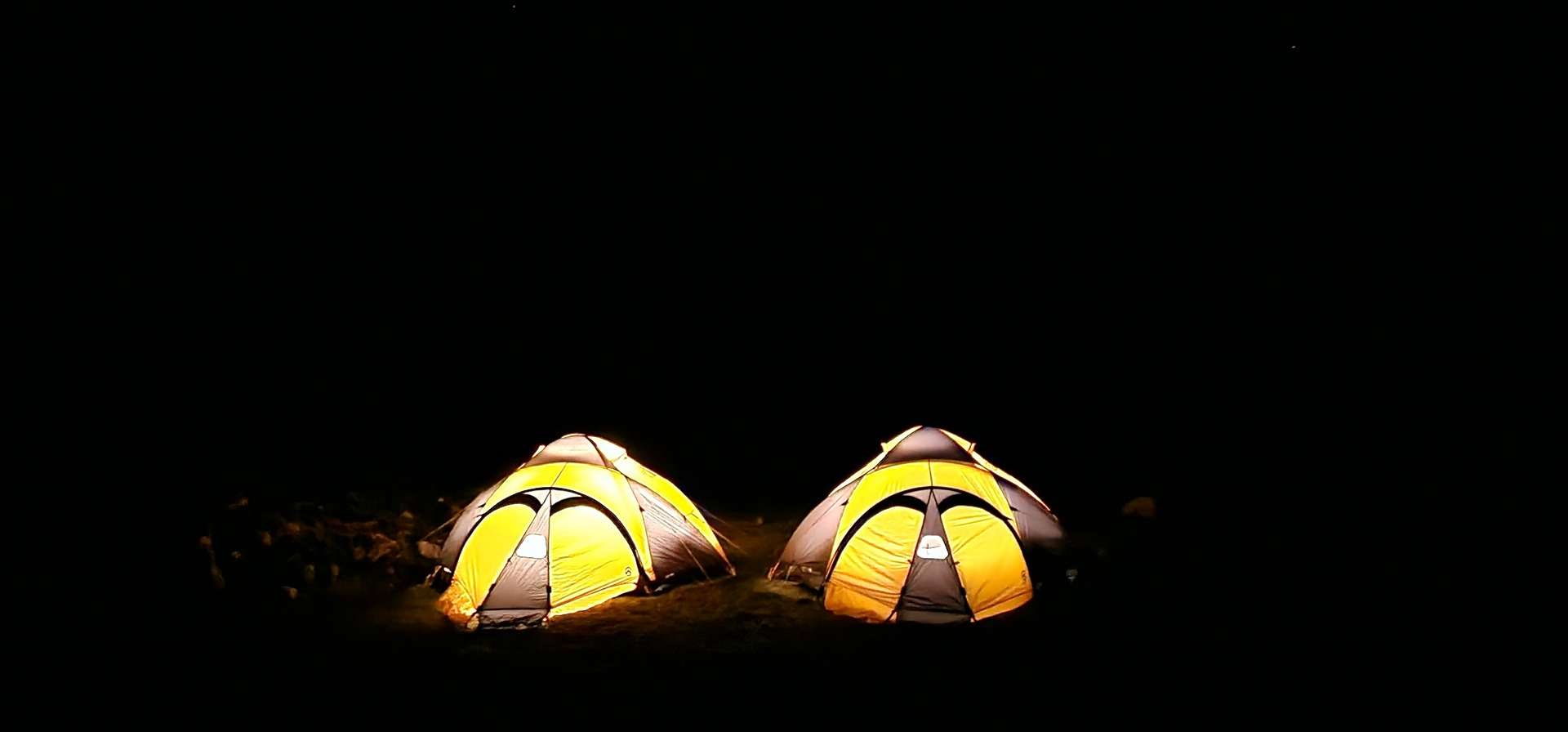
  • Camping equipment4-season tents, sleeping mats, dining tent, toilet tent
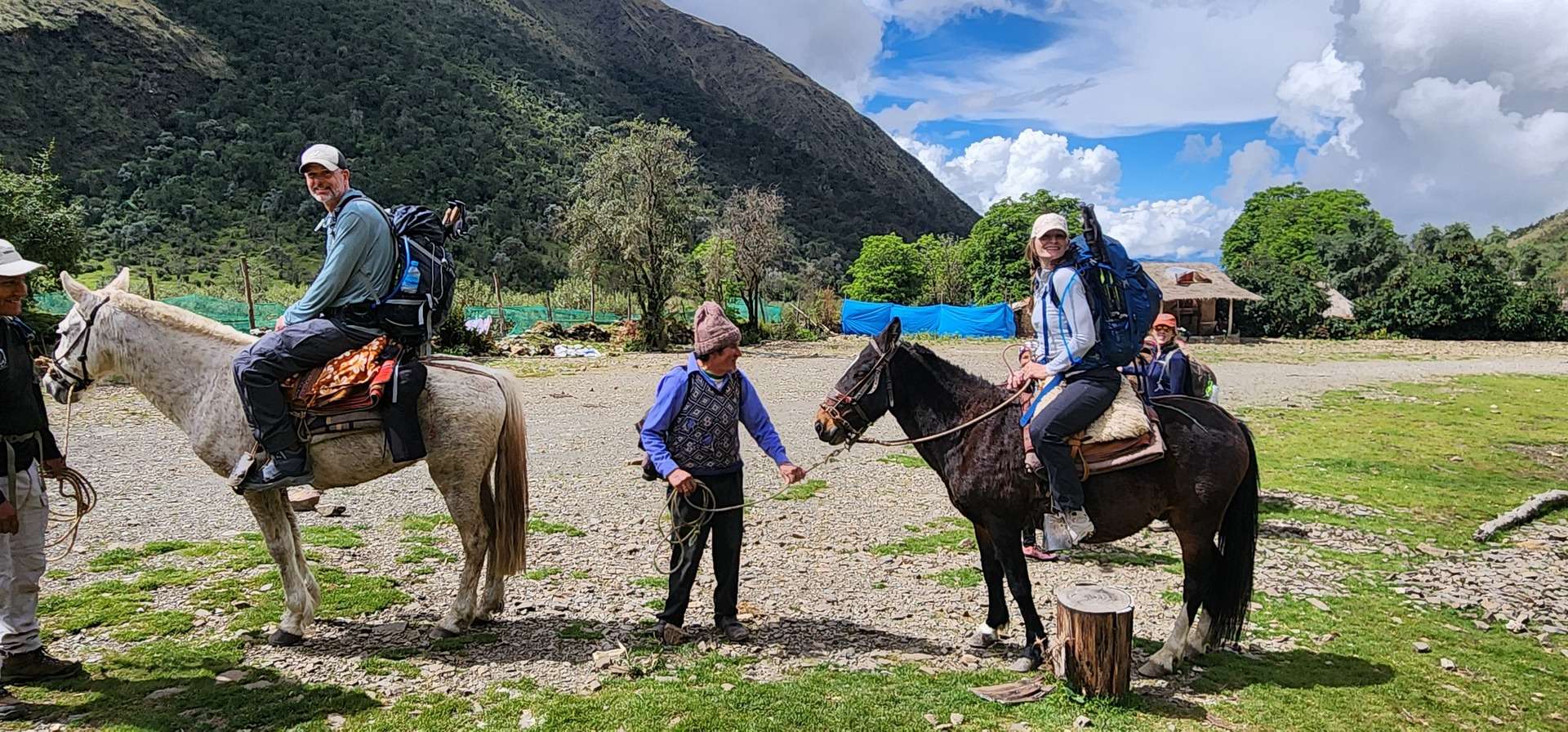
  • Horsemen & horsesTo carry camping equipment and up to 7kg personal items
  • First aid kit & emergency oxygenSafety equipment carried by team
  • Boiled water & hot drinksTea, coffee, hot chocolate throughout
  • Train ticketsOllantaytambo to Aguas Calientes and return
  • Machu Picchu entryEntrance ticket and guided tour
  • Bus to Machu PicchuRound-trip bus Aguas Calientes to MP
  • Hotel in Aguas Calientes1 night accommodation with breakfast
  • Sleeping bagAvailable to rent for $25
  • Trekking polesAvailable to rent for $15
  • Travel insuranceStrongly recommended
  • TipsOptional but appreciated
  • Personal expensesSouvenirs, snacks, extras
  • Huayna Picchu or MP MountainAdditional ticket required

Travel Itinerary

Day 1 Cusco - Soraypampa - Humantay Lake - Camp (4,000m)
Day 2 Soraypampa - Ancascocha Pass (4,650m) - Ancascocha
Day 3 Ancascocha - Quishuarani Pass (4,400m) - Quishuarani
Day 4 Quishuarani - Short Inca Trail - Sun Gate - Machu Picchu - Aguas Calientes
Day 5 Aguas Calientes - Train to Ollantaytambo - Cusco

Book This Tour

Person Info

Adults
$1,095.00
Loader
Thank You
Booked Successfully
  • Tour extra

In this section, you'll find the additional services we offer for our tours. If you wish to avail of any extra services, simply select them here.

Select Quantity
-
+
Select Quantity
-
+
Select Quantity
-
+
Select Quantity
-
+
Booking Summary

Ancascocha Trek 5 Days 4 Nights to Machu Picchu

Book Now
Select Date
00 Month
Guests
00 Guest
Adults
Book Now
Select Date
00 Month
Guests
00 Guest
Adults

Leave your review

Your email address will not be published. Required fields are marked.

Have a question in mind

Looking for more info? Send a question to the property to find out more.

Frequently Asked Questions

How physically difficult is the Salkantay Trek, and how should I prepare?
The Salkantay Trek is rated moderate to challenging. Day 2 is the hardest, climbing to Salkantay Pass at 4,630 m (15,190 ft). We recommend starting a training routine at least a few weeks before departure — regular cardio like hiking, running, or swimming to build endurance, plus leg-focused strength training. Aim to complete at least three to four hikes of varied length and elevation to simulate trail conditions. Being able to walk 15 km (9 miles) in a single day is a good benchmark.
What documents do I need, and what happens if I renew my passport before the trek?
You must carry your original passport — the same one used when booking your trek. It is checked at the trail checkpoint at the trailhead at Challacancha, at Machu Picchu, and when boarding the train. Your passport must have at least six months of validity beyond your return date. If you renew your passport after booking, notify us immediately and bring both your old and new passports.
How far in advance should I book, and can I change my dates?
Salkantay permits and bookings are flexible: the trail has availability year-round and date changes are generally possible. However Machu Picchu tickets — especially Circuit 2 and additional hikes (Huayna Picchu, Machu Picchu Mountain) — can sell out months in advance and cannot be changed once reserved. We recommend booking and confirming Machu Picchu tickets 3–6 months ahead to secure your preferred circuit and entry time. Provide complete, accurate passport information at booking so tickets and permits can be issued without delay.
How many days should I spend in Cusco before starting the trek?
We strongly recommend arriving in Cusco at least two full days before the trek to acclimatize to the altitude (3,400 m / 11,150 ft). Take it easy during this time — explore the city at a relaxed pace, stay well hydrated, drink coca tea, and avoid strenuous activity. This significantly reduces the risk of altitude sickness on the trail.
What is altitude sickness and how is it managed on the trail?
Altitude sickness can cause headaches, nausea, dizziness, and fatigue at elevations above 2,500 m. On the Salkantay Trek, the highest point is Salkantay Pass at 4,630 m. Stay hydrated, drink coca tea, eat light meals, and hike at a comfortable pace. Our guides carry a first-aid kit and emergency oxygen. If symptoms become severe, we will assist you to the nearest town, and helicopter evacuation is available if necessary (travel insurance covering medical evacuation is strongly recommended).
What gear is provided and what do I need to bring myself?
We provide spacious 4-season tents (shared by 2 people in a 4-person tent), 3 inch mattresses, a dining tent with tables and chairs, a private portable toilet, and a duffel bag for your personal gear. You should bring comfortable hiking boots with ankle support, a daypack (30–40L), a water container (2–3L, CamelBak strongly recommended), a headlamp, rain gear, warm layers, and sunscreen. Sleeping bags and trekking poles can be rented from us if needed. See the full Packing List and Inclusions for complete details.
What is the duffel bag weight limit and how should I pack it?
Peruvian regulations limit each duffel bag to 7 kg (15 lbs) to protect the health of porters. From this allowance, allocate approximately 2 kg for your sleeping bag and 1 kg for your mattress, leaving about 4 kg for personal items. Pack 2–3 t-shirts, 2 hiking pants, 4–5 sets of socks and undergarments, a warm jacket, waterproof gloves, camp shoes, a quick-dry towel, and toiletries. Anything over the weight limit must be carried in your own daypack.
What are the meals like on the trail?
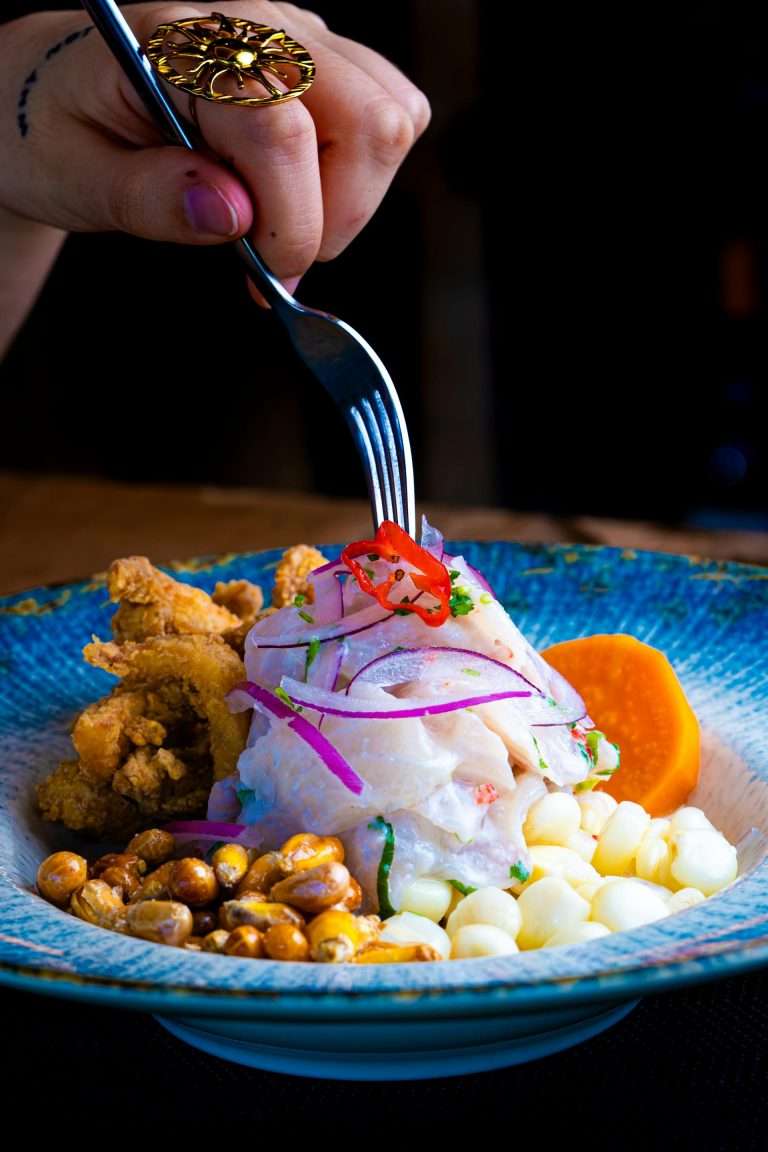
Our chef prepares fresh, gourmet meals daily including breakfast, lunch, afternoon tea, and dinner. Each morning starts with coca tea delivered to your tent. Afternoon tea includes hot drinks, popcorn, and snacks. Vegetarian, vegan, and allergy-specific diets are accommodated at no extra cost — just notify us when booking. We also provide boiled, filtered water to refill your bottles throughout the trek. Please bring your own water supply for the first morning until the first lunch stop.
What are the toilet facilities like on the trail?
We provide a private portable toilet tent exclusively for our group at each campsite — separate from the basic government facilities. It features a proper seat and is maintained to clean, sanitary standards. This means convenient nighttime access without long walks in the dark. Hand-washing facilities with soap are provided before meals.
What is the weather like, and what should I wear?
Mountain weather is very unpredictable. Expect warm conditions in the lower valleys, cold and windy at higher passes, and humid warmth in the cloud forest. Nighttime temperatures at the second campsite can drop to around 3 degrees C. Layer dressing is essential — wear moisture-wicking base layers, a warm fleece or down jacket, and always carry waterproof rain gear. A sun hat, sunglasses with UV protection, and waterproof gloves are important. The Salkantay Trek closes every February for maintenance during the rainy season.
Is there phone or internet access on the trail?
There is no cell phone signal or Wi-Fi on the Salkantay Trek. Our guides carry satellite phones for emergency communication. If you need to contact family in an emergency, your guide can assist. We recommend informing loved ones in advance that you will be out of contact for five days. Bring a portable battery charger for your camera or phone — there is no electricity along the trail.
Do I need travel insurance?
Travel insurance is not included but is strongly recommended. Your policy should cover trip cancellation, medical expenses at high altitude, and emergency helicopter evacuation. If you are unable to continue the trek due to illness or injury, we will assist you to the nearest medical facility, but evacuation costs and medical treatment are the responsibility of the trekker.
What happens on the Machu Picchu day?
On Day 5, you wake early for a light breakfast, then begin hiking to reach the Sun Gate (Inti Punku) for sunrise over Machu Picchu — an experience exclusive to Salkantay Trek hikers. From there, you descend to the citadel for a guided tour lasting approximately 1.5 to 2 hours. Afterward, you have free time to explore. Optional mountain hikes include Huayna Picchu and Machu Picchu Mountain (additional fees, advance booking required). Walking poles and large backpacks are not permitted inside the citadel.
Where does my main luggage stay while I am on the trek?
Your main luggage can be stored securely at your hotel or at our office in Cusco during the trek, free of charge. Only pack what you need for the four days in your duffel bag and daypack. We recommend placing valuables in your hotel safe and keeping a receipt.
Is tipping customary, and how much should I tip?
Tipping is not compulsory but is customary and very much appreciated by our guides, porters, and cooks. On the final evening of the trek, there is a celebration dinner where groups typically pool their tips and present them directly to the team. The amount is at your discretion based on the quality of service you received.

Terms & Conditions

Essentials - What to Take With You

  • Original passport (the same used for booking your trek)
  • Valid University card (if you booked as a student)
  • Good daypack
  • Water storage: 2-3 L (Camelbaks are HEAVILY encouraged)
  • Comfortable hiking boots with ankle support
  • Sleeping bag (can be rented for USD 45)
  • Trekking poles (can be rented for USD 15)
  • Headlamp: essential
  • Toilet paper
  • Good rain gear

What to Put in the Duffel Bag

As a local tour operator, we provide you with a duffel bag during your briefing and include the services of an additional porter to carry up to 7 kg (15 lbs) of your gear. This allowance covers your sleeping bag, mattress, and any extra clothing you may need. Peruvian regulations ensure that no duffel bag exceeds 7 kg to safeguard the health of our porters and any horses used during the trek. All bags will be weighed prior to acceptance. If your gear exceeds this limit, you will need to carry the additional weight in your day pack. From the 7 kg allowance, allocate 2 kg for your sleeping bag and 1 kg for your sleeping pad, leaving you with approximately 4 kg for your personal belongings.

  • 2-3 t-shirts
  • 2 hiking pants
  • 4-5 sets of undergarments
  • 4-5 sets of hiking socks
  • Fleece / Thermals
  • Warm clothes, down jacket - 2nd campsite temp around 3 C
  • Waterproof gloves
  • Comfortable shoes/sandals for camp
  • Quick-dry towel
  • Small bottle of soap: we provide warm water each day to wash
  • Battery charger: No electricity along the trek
  • Sleeping bag: It has to be at least -15 C - This can be rented from us for USD 45

Toiletries

  • Face moisturizer
  • Hand sanitizer
  • Wet wipes
  • Toothbrush and toothpaste
  • Personal medications
  • First aid kit: band aids, moleskin, etc.

What to Put in the Day Backpack

We highly recommend a small backpack 30 to 40L for hiking in the day. A big backpack will not be allowed into Machu Picchu. The remainder of your belongings will be in your duffel bag at camp.
  • Water: Please supply your own water until the first lunch spot, we will then provide you with cold boiled water at every meal time. Please bring your canteens.
  • Sun hat and sunglasses
  • Sunscreen
  • Insect repellent
  • Headlamp
  • Wool hat and gloves
  • Rain gear
  • Fleece or warm layer
  • Snacks like chocolate bars, cereal bars or any dry fruits
  • Personal First Aid kit and personal medications
  • Camera
  • Hand sanitizer
  • Toilet paper and small plastic bag for waste
  • Valuables

Your Question