+51 984 187 714 | 💬 +1 (678) 749-0170 | Book Your Machu Picchu trip today! Tickets are Selling Fast!
f in
Book Now
Book Now 📅 Inca Trail Availability

Wata & Short Inca Trail 5 Days 4 Nights

Wata & Short Inca Trail 5 Days -- Ancient Quarries to Machu Picchu The Wata and Short Inca Trail 5-Day/4-Night trek combines two extraordinary experiences: the little-known Inca quarries of Cachicata (where stones were cut for the massive fortress of Ollantaytambo) and the final sec...See more

Wata & Short Inca Trail 5 Days — Ancient Quarries to Machu Picchu

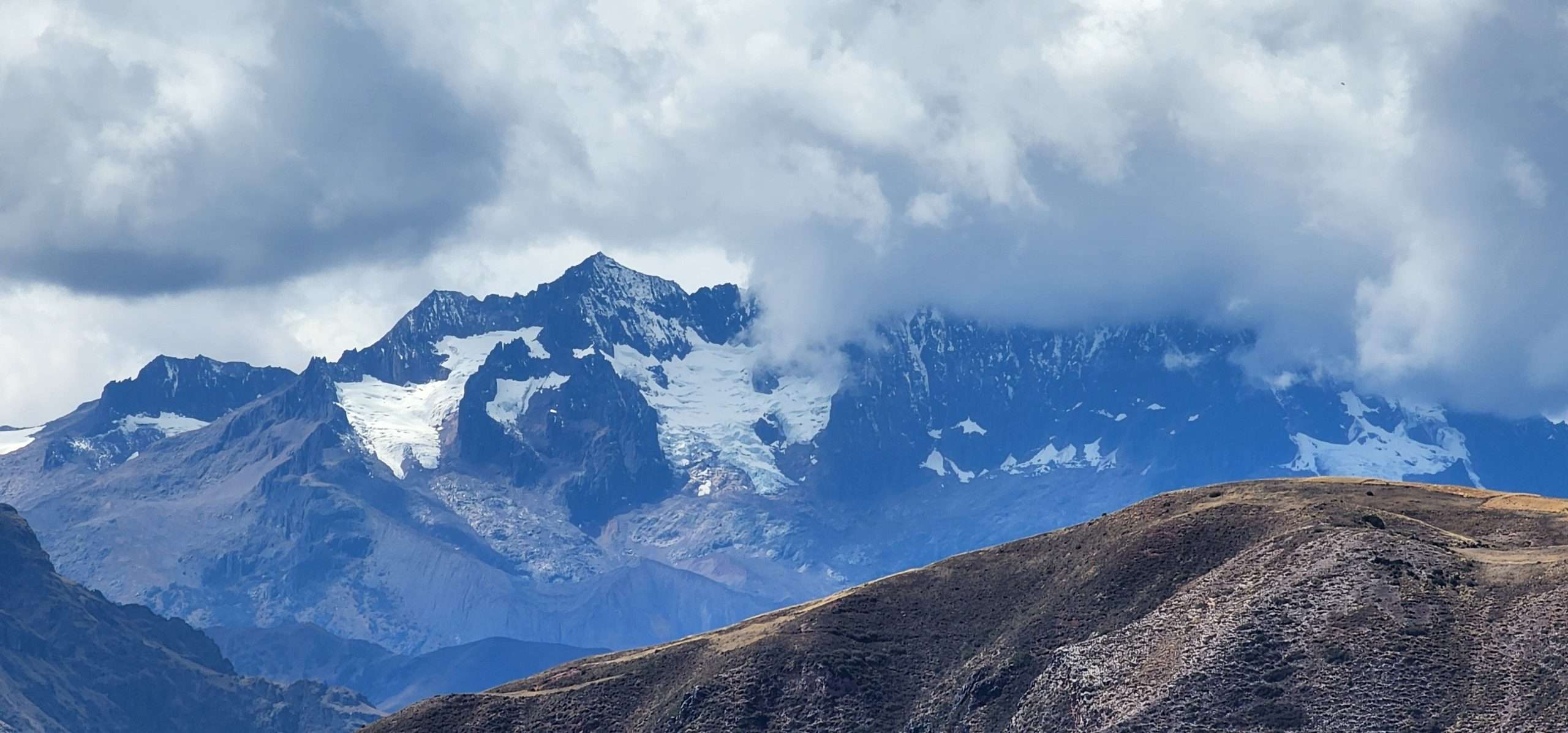
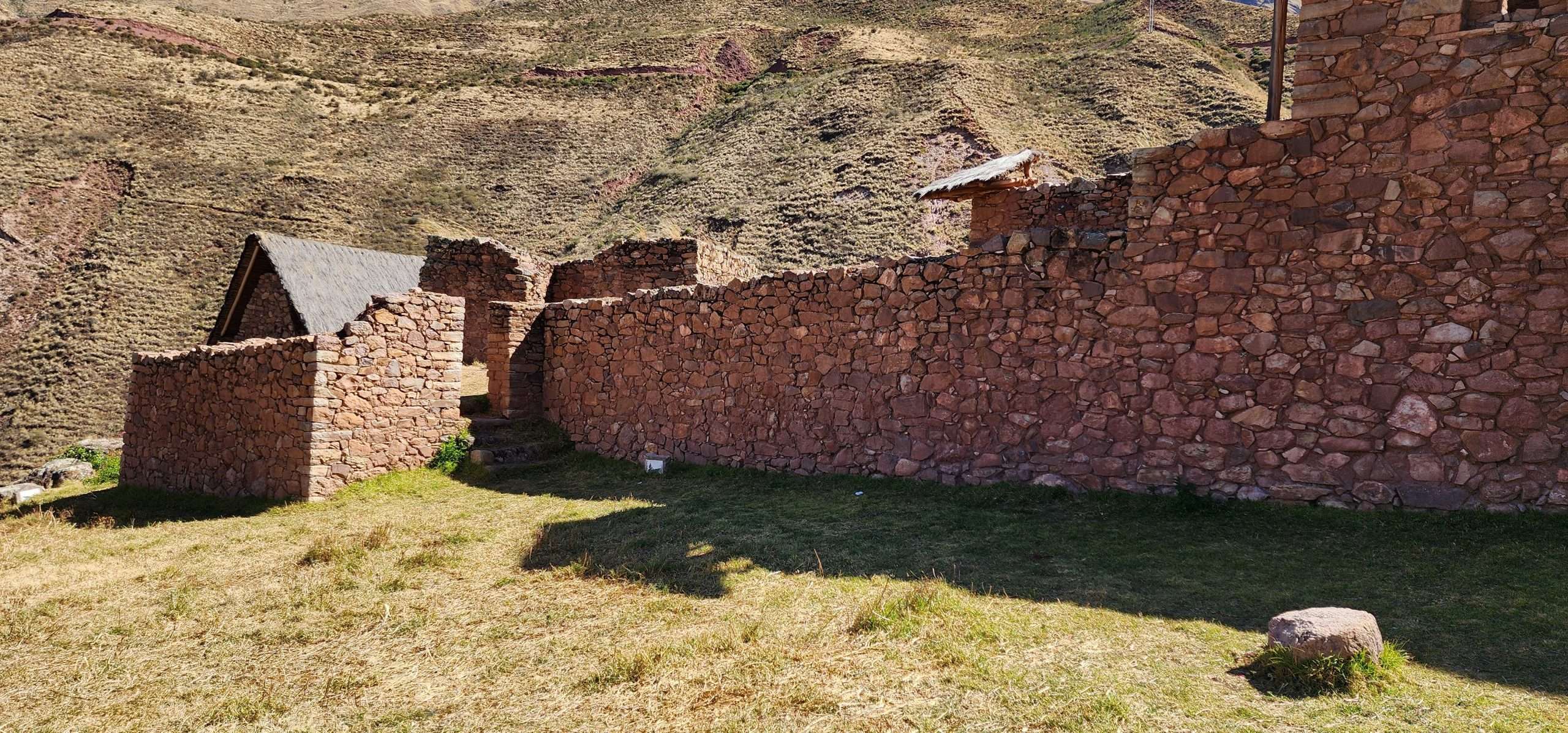
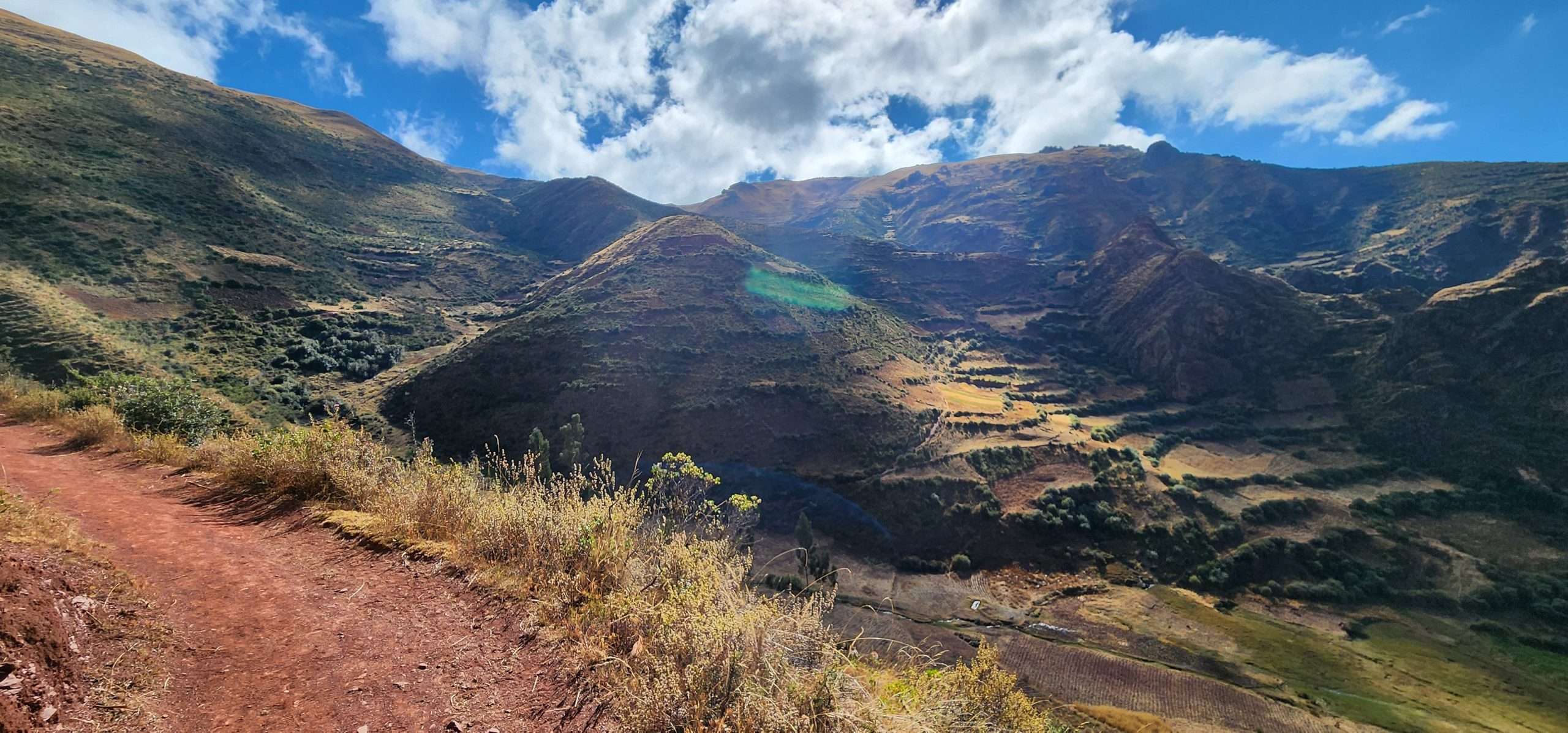
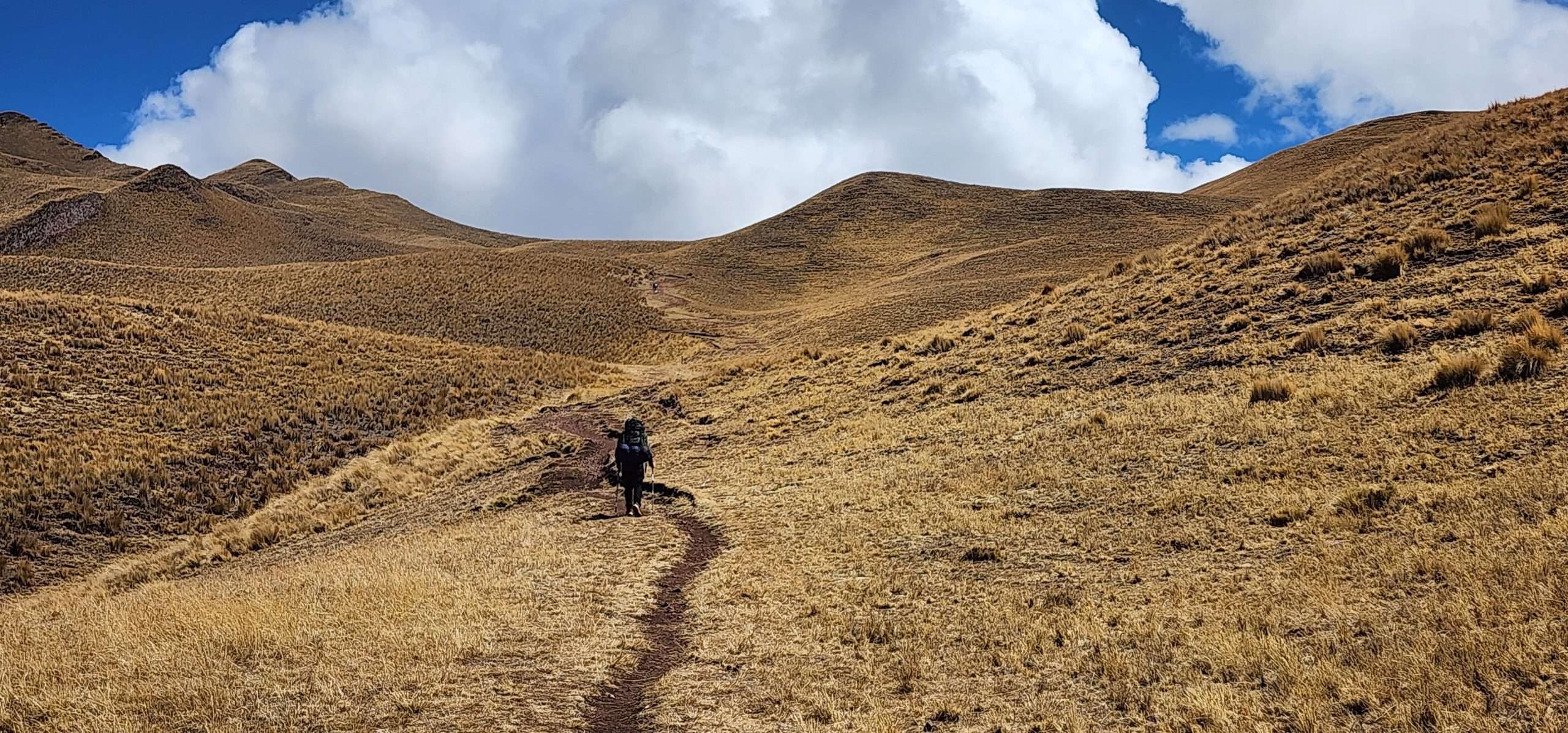
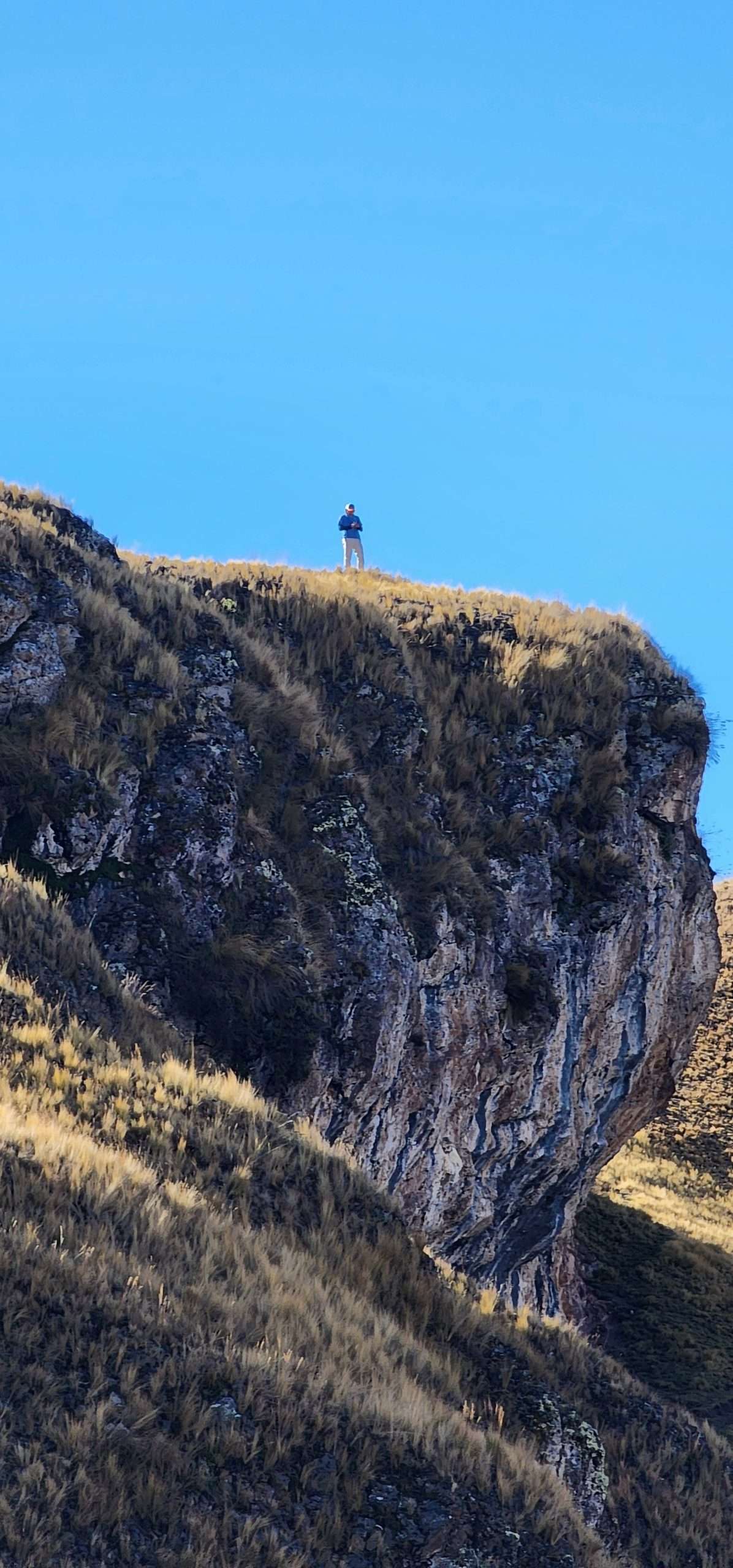
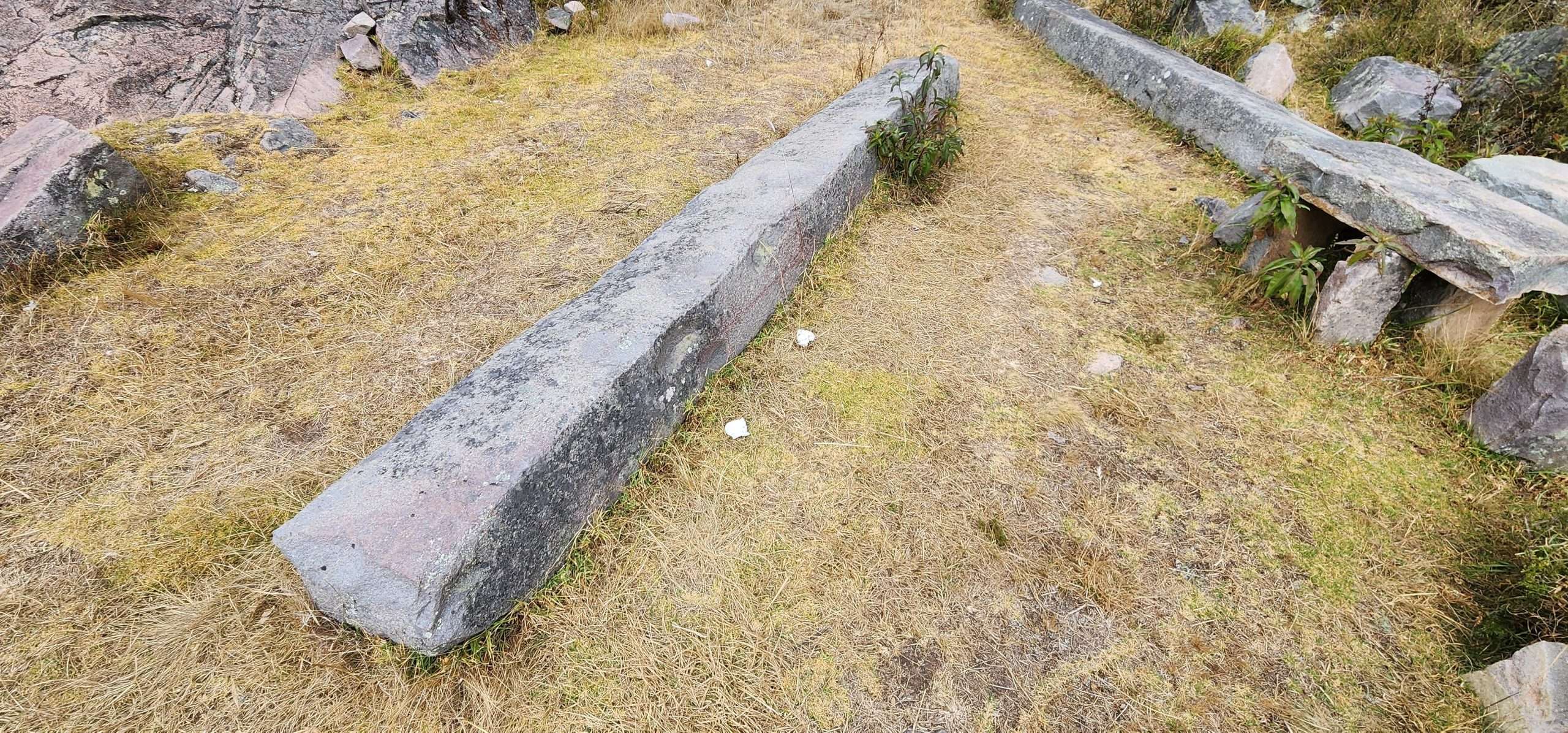
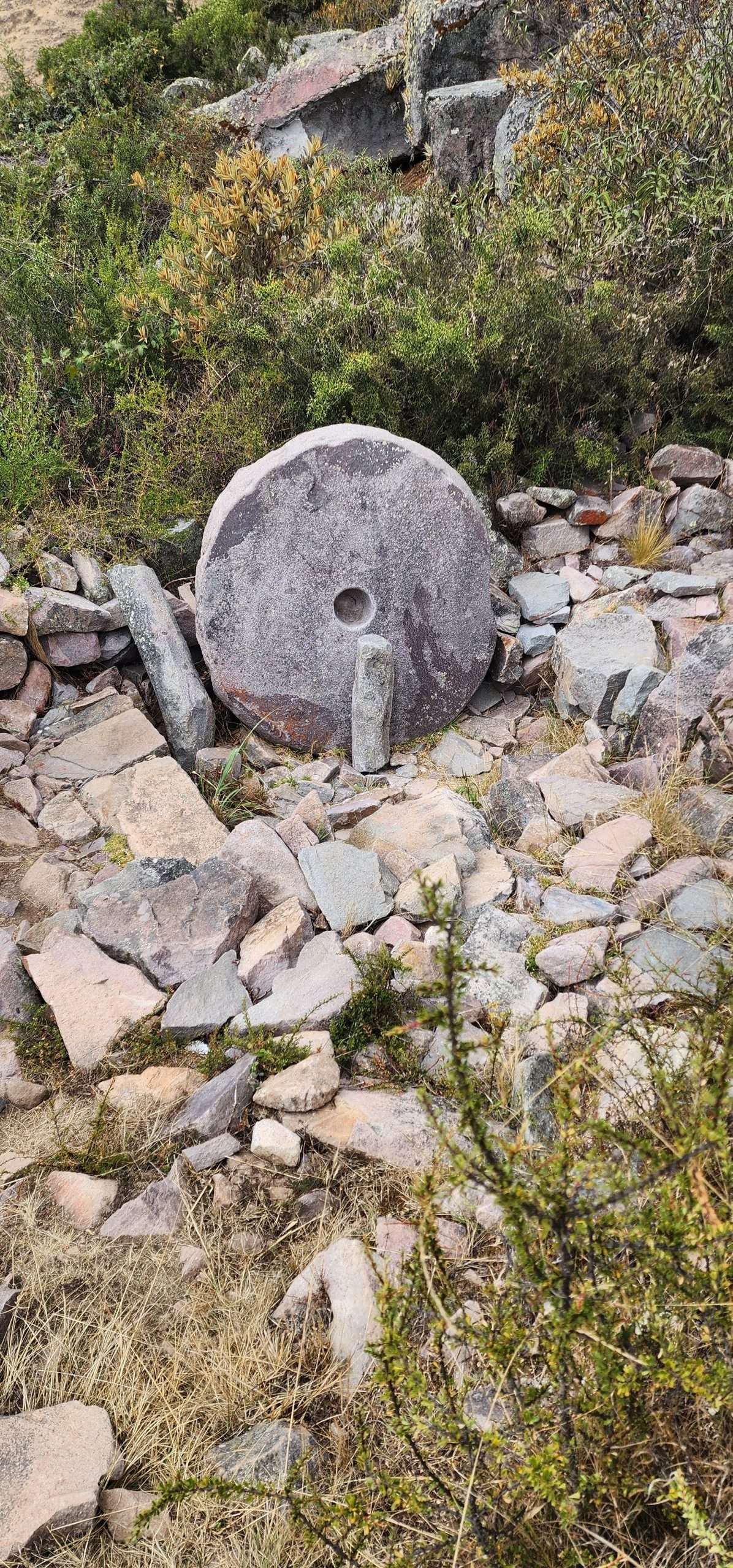
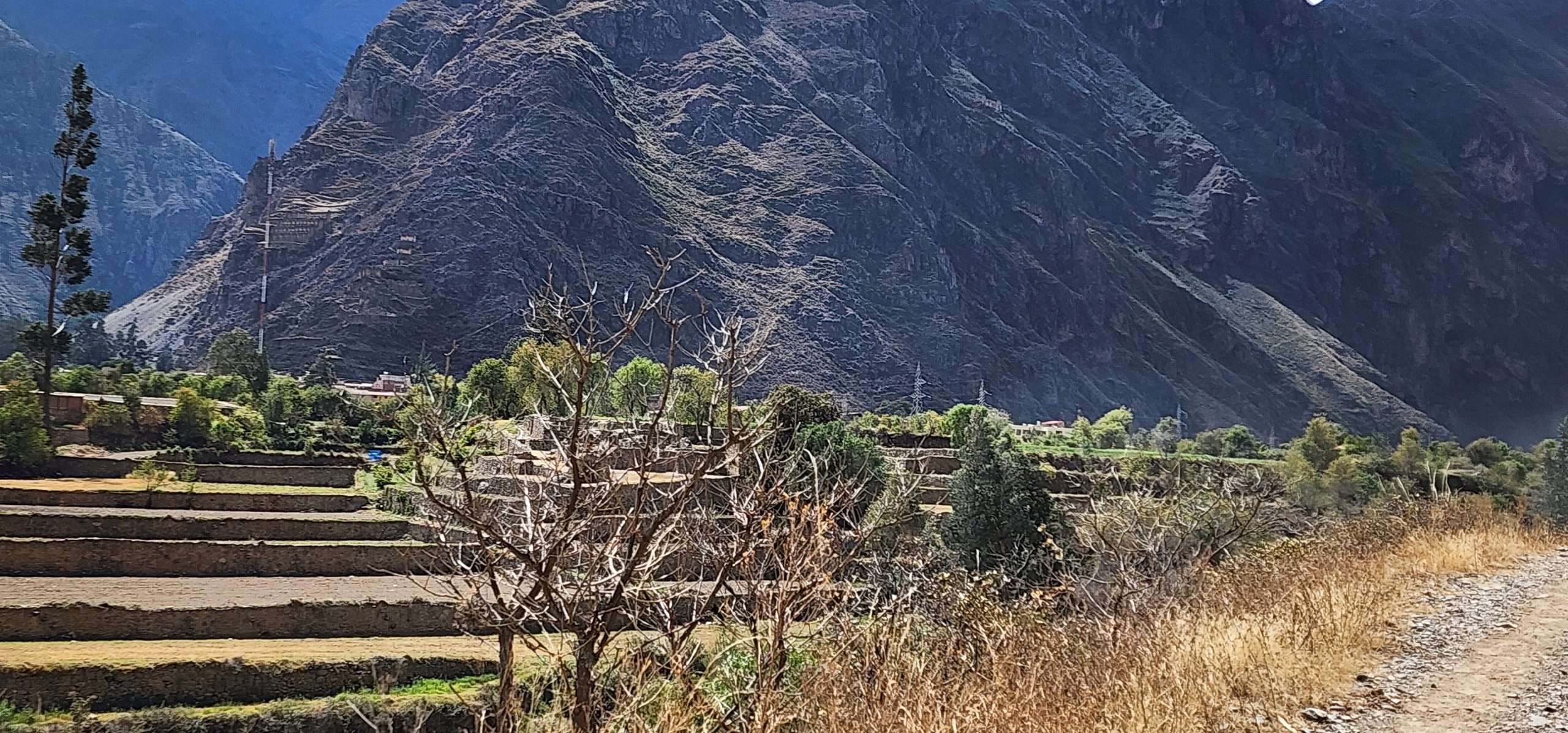
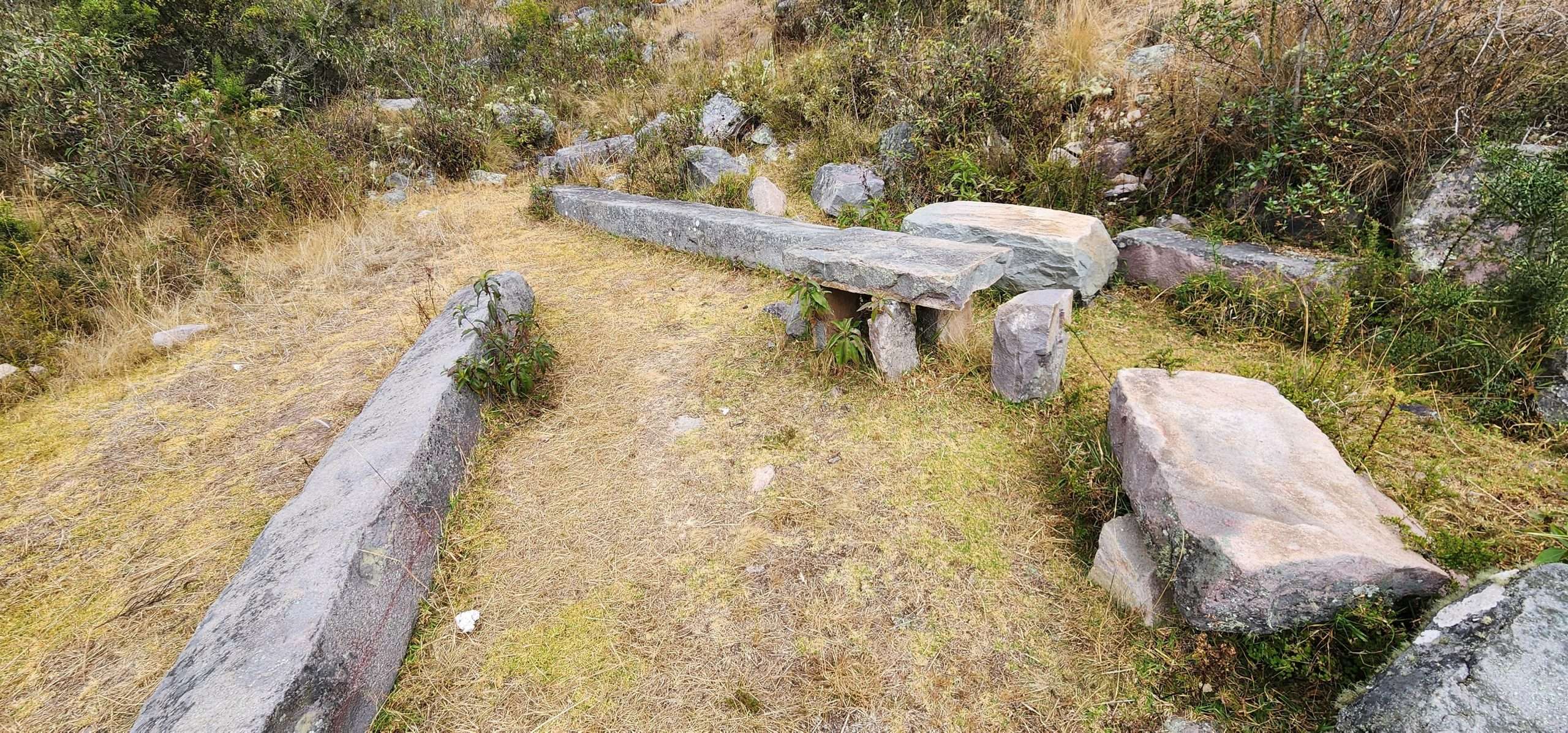
The Wata and Short Inca Trail 5-Day/4-Night trek combines two extraordinary experiences: the little-known Inca quarries of Cachicata (where stones were cut for the massive fortress of Ollantaytambo) and the final section of the Classic Inca Trail ending at the Sun Gate of Machu Picchu.

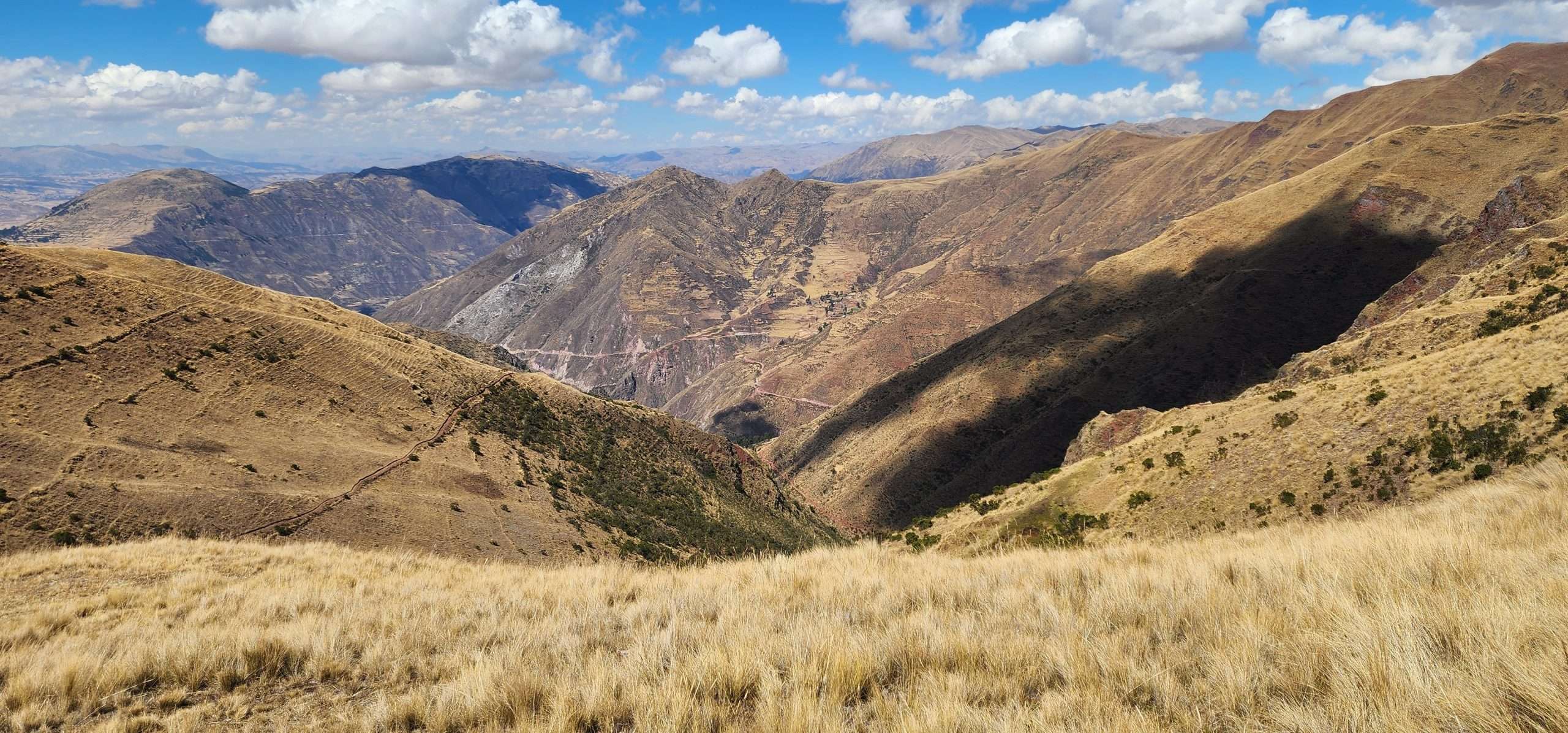
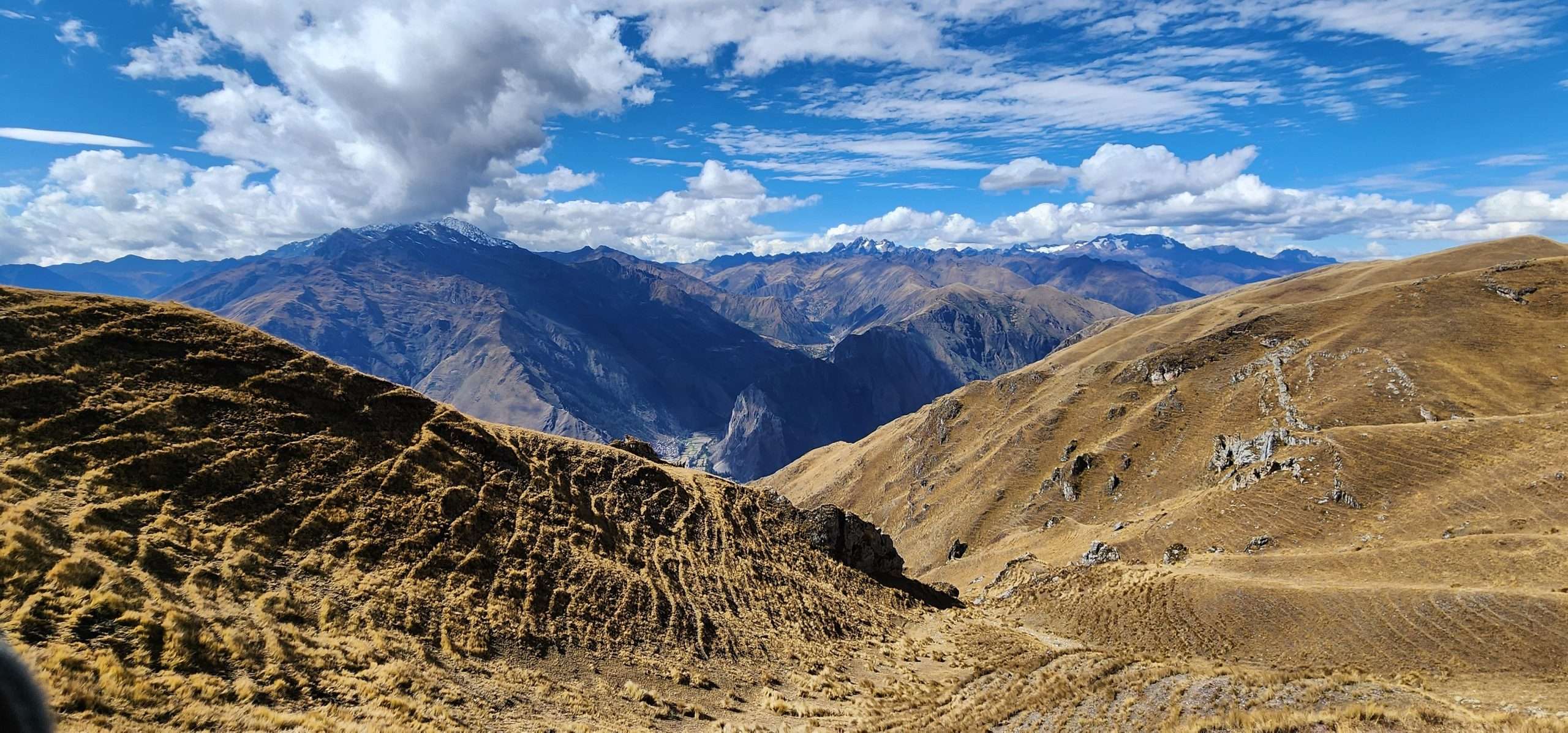
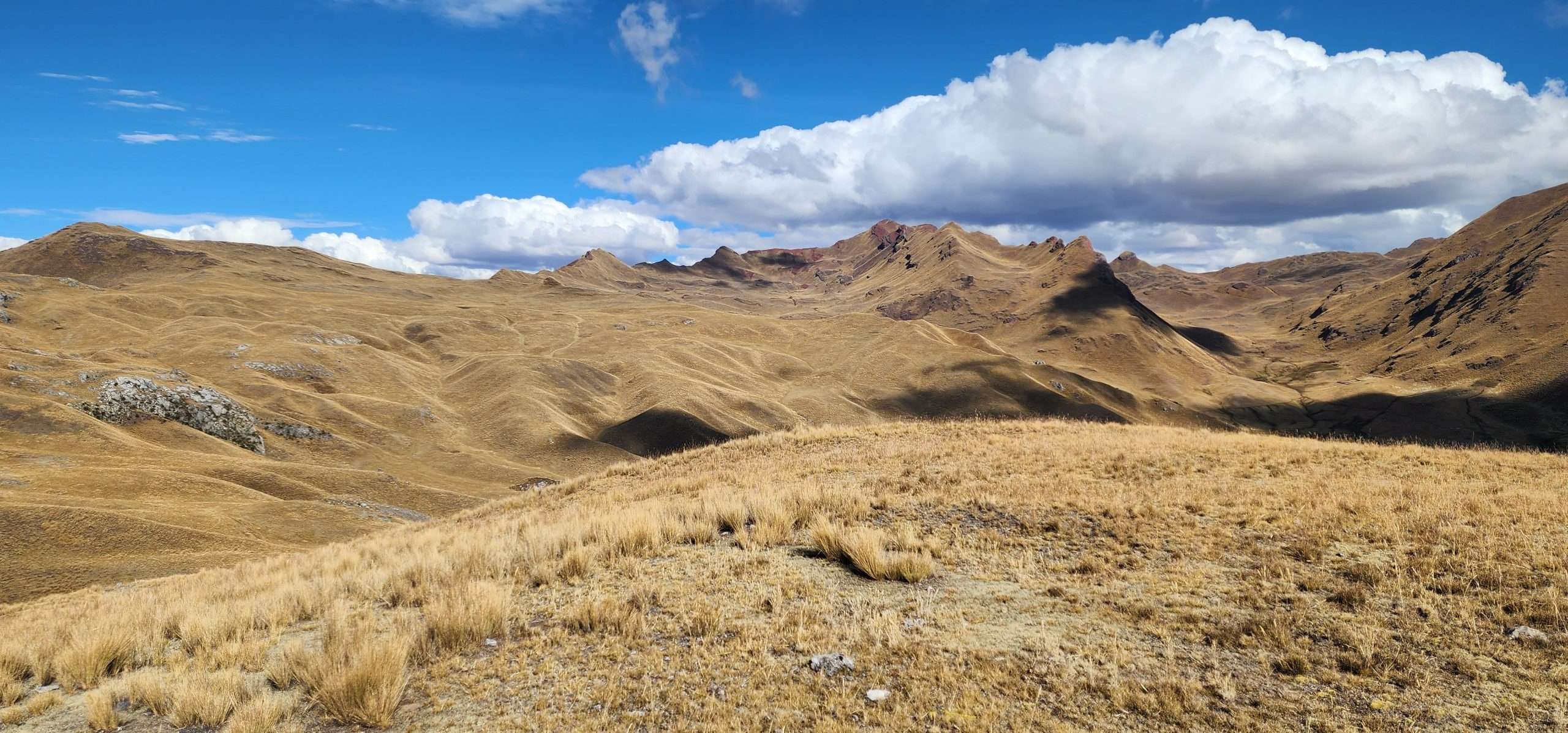
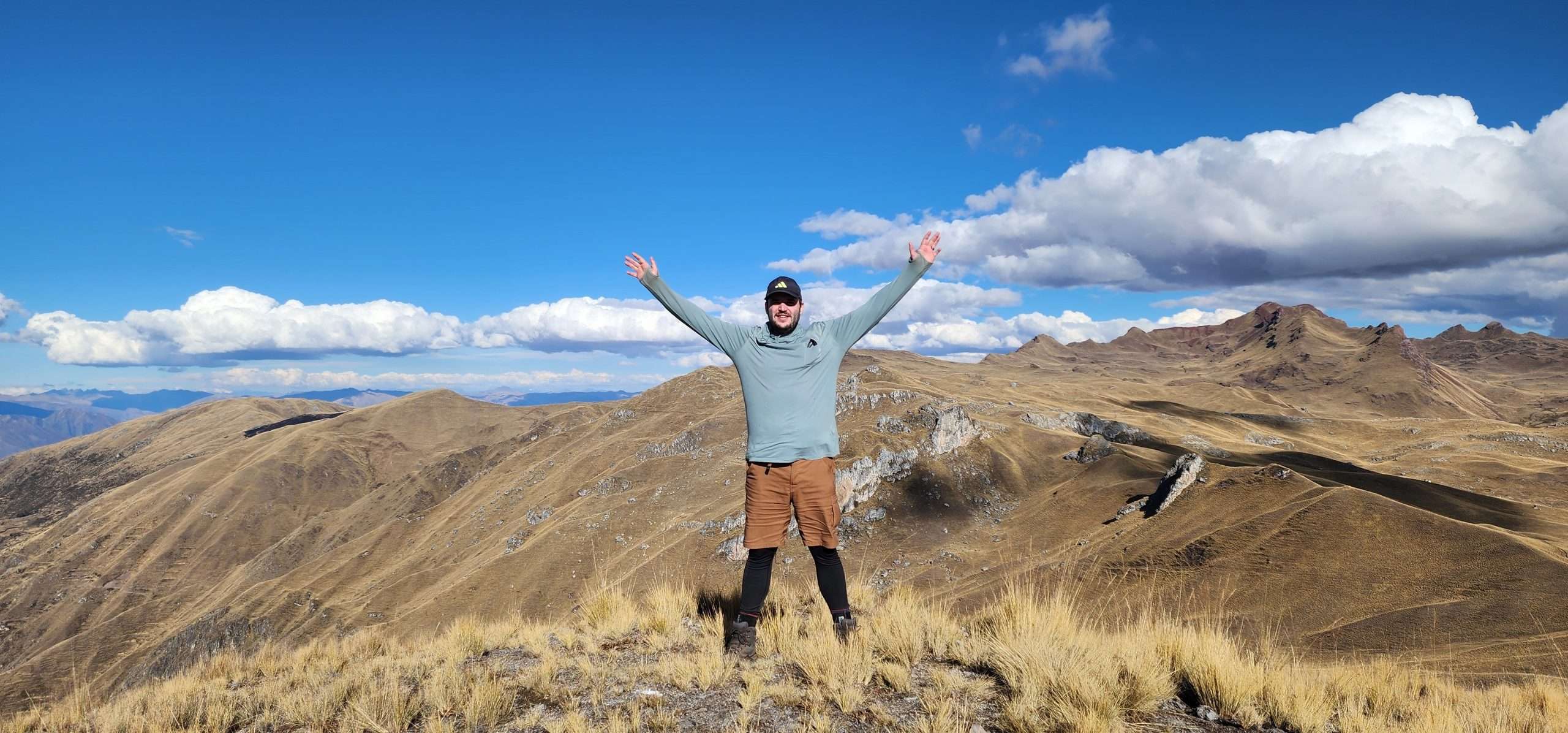
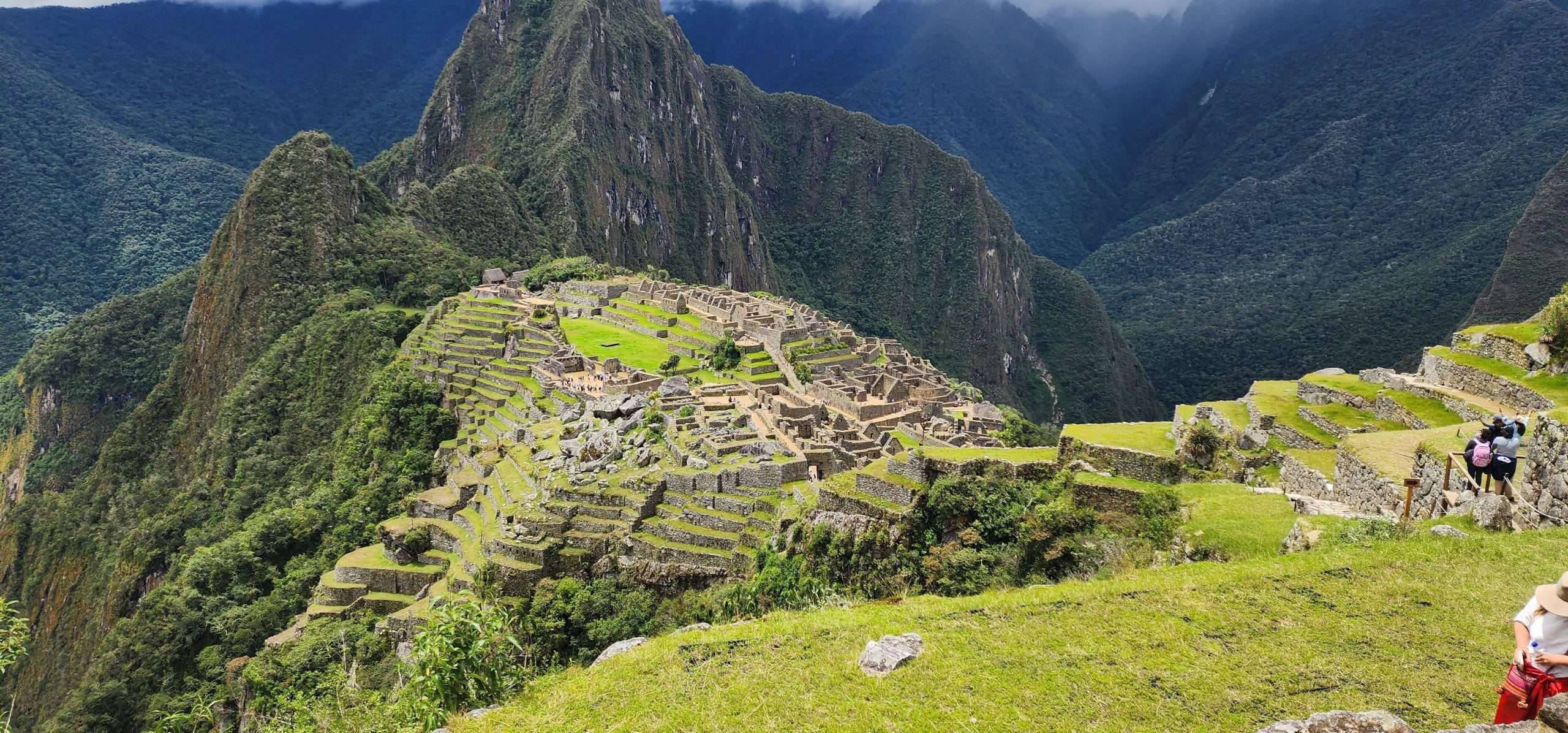
This private trek follows ancient Inca paths through archaeological sites that few tourists ever visit, crosses high mountain passes with panoramic views, and culminates with the unforgettable experience of walking through the Sun Gate (Inti Punku) for your first glimpse of Machu Picchu — just as the Incas intended.

Why Choose This Trek?

This is one of the few treks that combines the Inca Quarry route with the Short Inca Trail, giving you the best of both worlds. You explore seldom-visited Inca archaeological sites, enjoy remote mountain scenery, and arrive at Machu Picchu on foot through the Sun Gate — an experience that train-based tours cannot offer.

See less
Duration

5 Days

Group Size

2-12

Language

English / Spanish

Highlights Icon

Tour Highlights

Preparing for Your Inca Quarry Trail Adventure

The Inca Quarry Trail is a challenging trek reaching 4,450 m (14,600 ft) at its highest pass. With proper preparation, it is accessible to most fit travelers. Here are key tips to help you get ready.

Physical Training

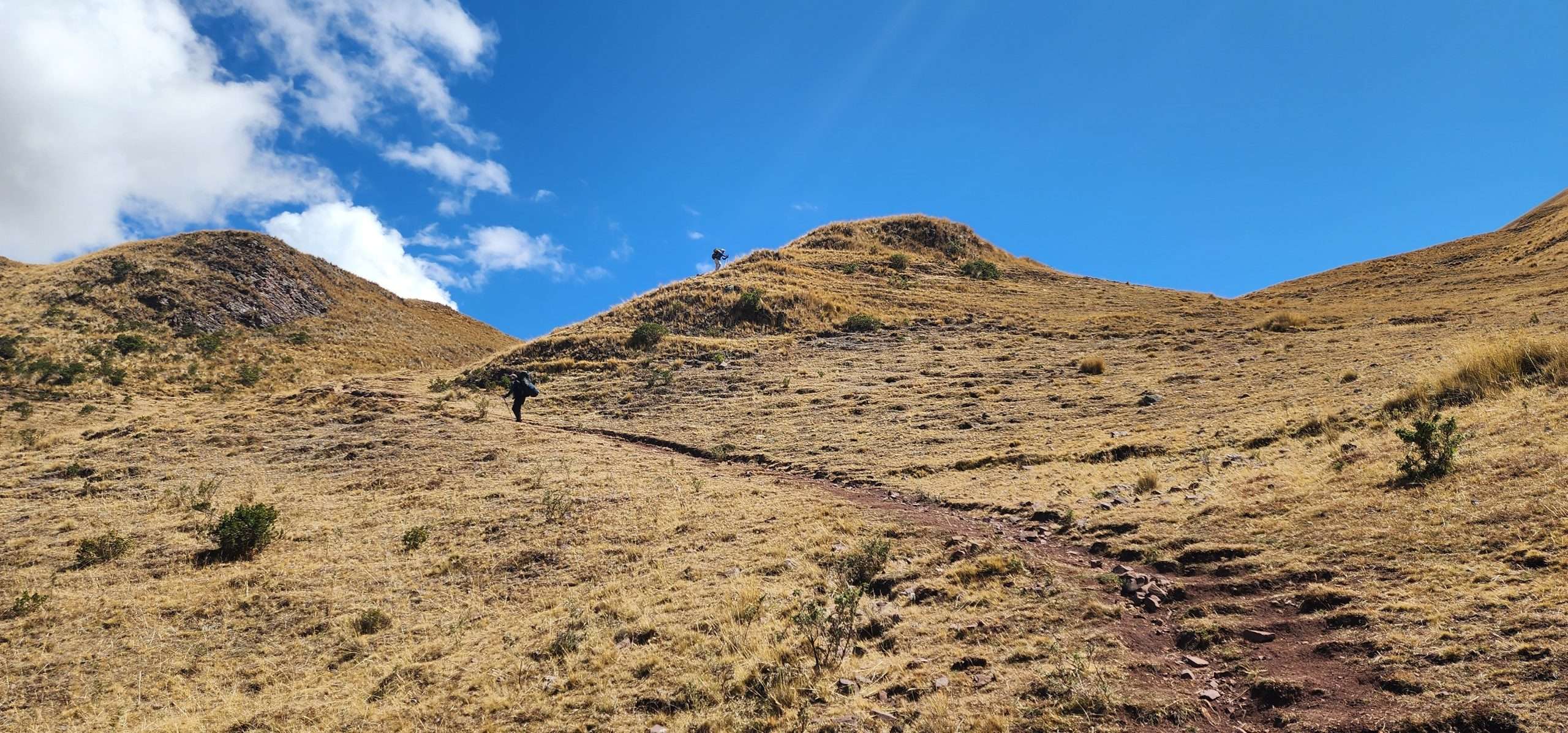
Begin training at least four to six weeks before departure. Focus on cardio endurance through hiking, running, cycling, or swimming. Incorporate leg strength exercises for ascending and descending mountain passes. Aim for at least two to three hikes at progressively higher effort levels. This trek is rated challenging at 4.0 out of 5, with Day 3 involving a full day crossing two passes above 4,300 m.

Acclimatization in Cusco

Plan to arrive in Cusco at least two full days before the trek begins. Cusco sits at 3,400 m / 11,152 ft, and your body needs time to adjust before going higher. During this time, stay well hydrated, eat light meals, avoid alcohol, and take it easy. Coca tea is a traditional Andean remedy that many trekkers find helpful.

What to Pack

Your main luggage stays at your hotel in Cusco. For the trek you pack a duffel bag (5 kg / 11 lbs maximum) carried by horses, plus a daypack you carry yourself. Essential items include warm layers for cold nights, a waterproof rain jacket, sun hat, sunscreen, sunglasses, headlamp, water bottle, and personal toiletries. A detailed packing list is provided after booking.

Meals and Dietary Needs

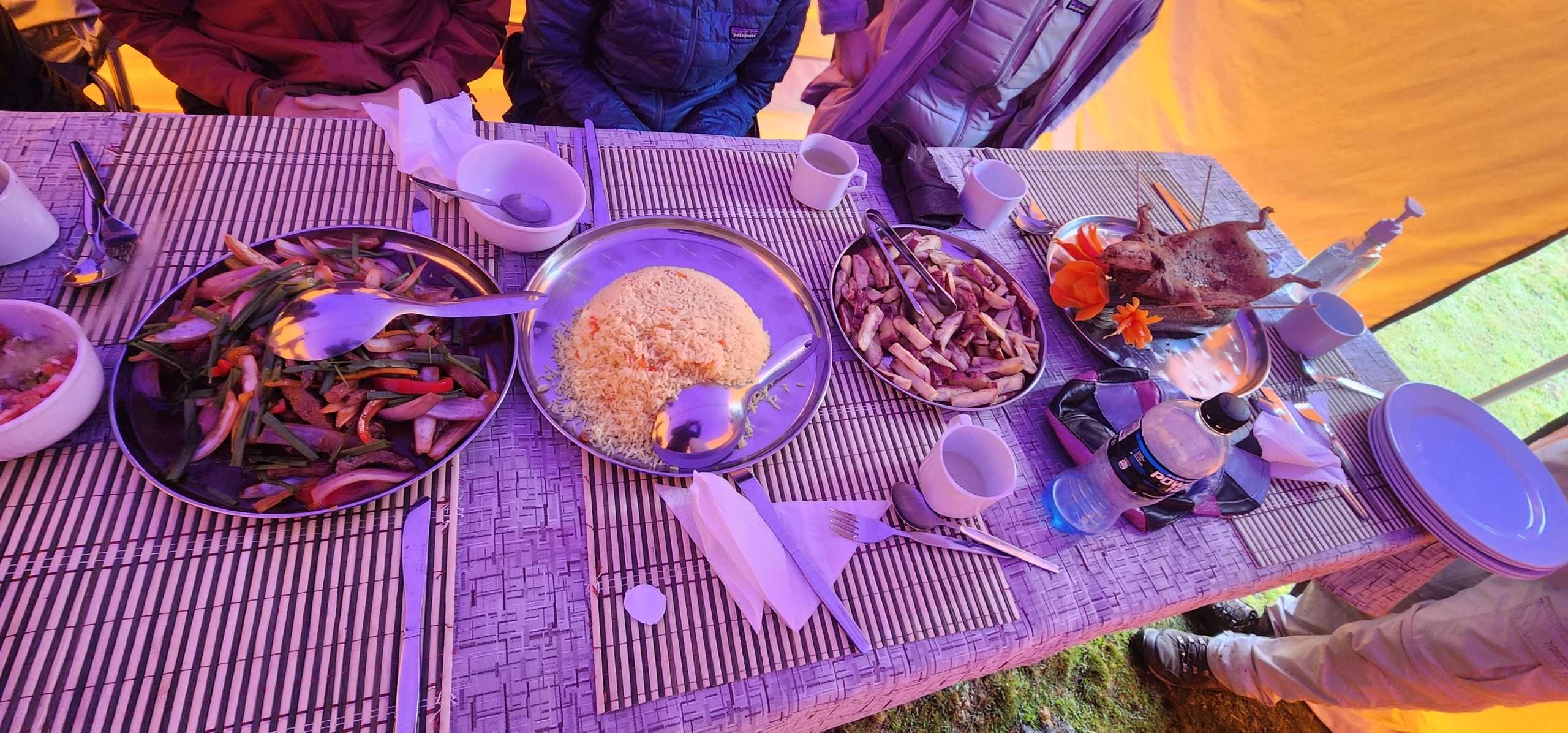
Our chef prepares all meals on the trail using fresh ingredients. We accommodate vegetarian, vegan, gluten-free, and allergy-specific diets with advance notice. Meals include breakfast, lunch, and dinner. Bring your own trail snacks if you prefer extra energy food during the hike.

Weather and Clothing

Weather at altitude is variable and can change quickly. Daytime temperatures are pleasant in direct sun but drop in shade and at the passes. Nights at camp can be cold, especially at the higher campsites. Dress in moisture-wicking layers you can add or remove throughout the day. A good waterproof jacket is essential during the shoulder season.

Health and Safety

Our guides carry first aid kits with emergency oxygen. An emergency horse accompanies the group throughout the trek. If you take any prescription medication, bring enough for the entire trip plus extra days as a precaution.

Include/Exclude

  • Hotel pickup & drop-offPrivate transport from Cusco hotel
  • Professional bilingual guideEnglish/Spanish-speaking guide for entire trek
  • All mealsBreakfast, lunch, dinner prepared by professional trek chef
  • Camping equipment4-season tents, sleeping mats, dining tent, toilet tent
  • Horsemen & horsesTo carry camping equipment and up to 7kg personal items
  • First aid kit & emergency oxygenSafety equipment carried by team
  • Boiled water & hot drinksTea, coffee, hot chocolate throughout
  • Train ticketsOllantaytambo to Aguas Calientes and return
  • Machu Picchu entryEntrance ticket and guided tour
  • Bus to Machu PicchuRound-trip bus Aguas Calientes to MP
  • Hotel in Aguas Calientes1 night accommodation with breakfast
  • Sleeping bagAvailable to rent for $25
  • Trekking polesAvailable to rent for $15
  • Travel insuranceStrongly recommended
  • TipsOptional but appreciated
  • Personal expensesSouvenirs, snacks, extras
  • Huayna Picchu or MP MountainAdditional ticket required
  • Inca Trail permit feeIncluded in tour price

Travel Itinerary

Day 1 Cusco - Ollantaytambo - Cachicata Quarries - Camp
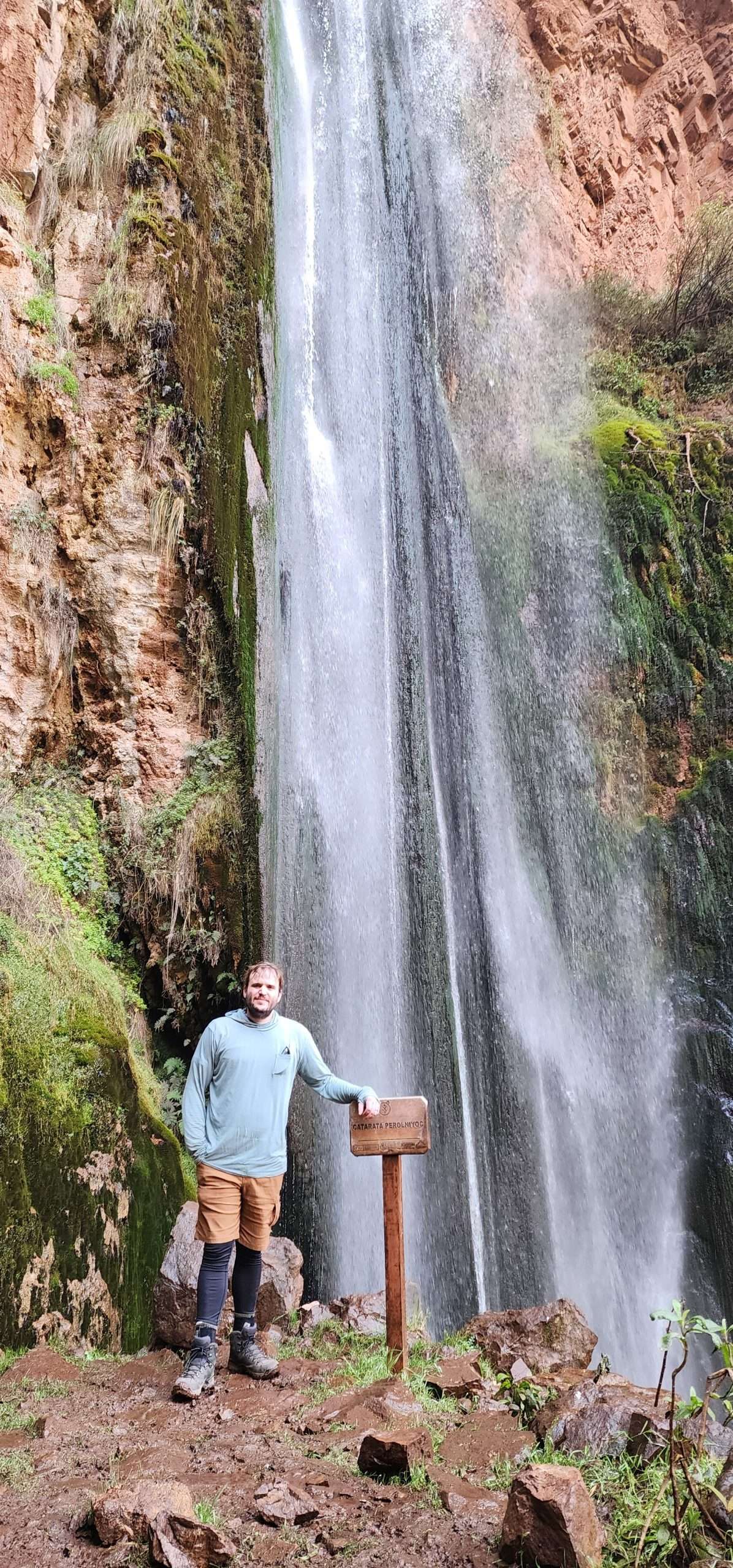
Day 2 Camp - Perolniyoc Waterfall - Mountain Pass - Camp
Day 3 Camp - Inca Sites - Descent to Huayllabamba
Day 4 Huayllabamba - Short Inca Trail - Sun Gate - Machu Picchu - Aguas Calientes
Day 5 Free Morning - Train to Ollantaytambo - Cusco

Book This Tour

Person Info

Adults
$885.00
Loader
Thank You
Booked Successfully
  • Tour extra

In this section, you'll find the additional services we offer for our tours. If you wish to avail of any extra services, simply select them here.

Select Quantity
-
+
Select Quantity
-
+
Booking Summary

Wata & Short Inca Trail 5 Days 4 Nights

Book Now
Select Date
00 Month
Guests
00 Guest
Adults
Book Now
Select Date
00 Month
Guests
00 Guest
Adults

Leave your review

Your email address will not be published. Required fields are marked.

Have a question in mind

Looking for more info? Send a question to the property to find out more.

Frequently Asked Questions

How difficult is the Inca Quarry Trail?
The Inca Quarry Trail is rated challenging at 4.0 out of 5 for difficulty. It involves two mountain passes above 4,370 m (14,337 ft) on Day 3, which is a demanding full day of hiking. Days 1 and 4 are moderate, while Days 2 and 3 are challenging. Good physical fitness and at least two days acclimatizing in Cusco are essential before departure.
What is the best time of year for this trek?
The dry season from May to September offers the best conditions with clear skies and stable weather. June through August is peak season with the most reliable weather. April and October are good shoulder months with fewer trekkers. The wet season from November to March is not recommended due to rain and muddy trail conditions.
Do I need a permit for the Inca Quarry Trail?
No government trekking permit is required for the Inca Quarry Trail, unlike the Classic Inca Trail. This is one of the advantages of this route. However, there are small community entrance fees at several points along the trail which are included in the tour price.
What makes this trek different from the Classic Inca Trail?
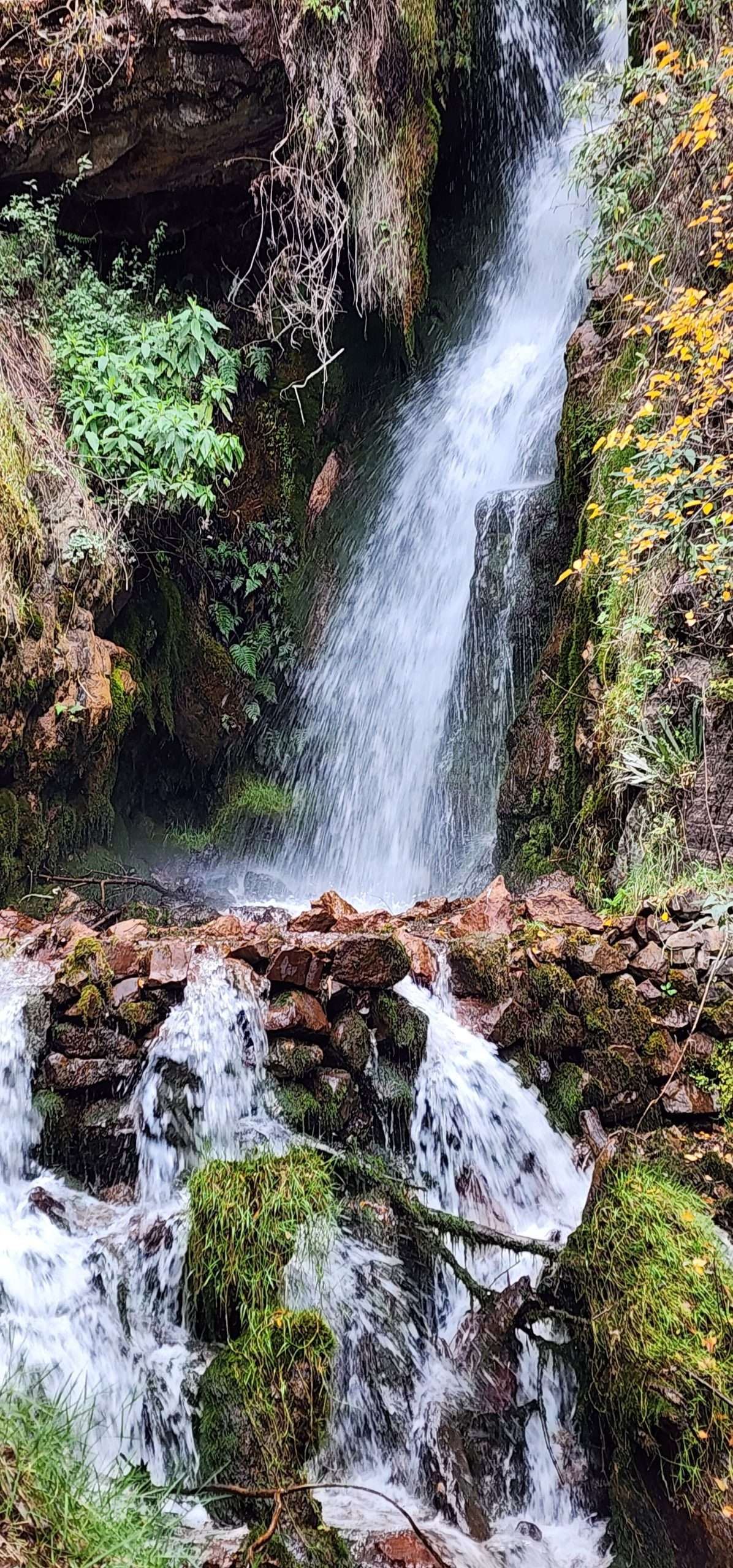
The Inca Quarry Trail is a quieter, less crowded alternative that visits sites most tourists never see, including the dramatic Perolniyoc Waterfall, ancient Inca ruins at Raqay Pata, the Sun Gate at Inti Punku, and the famous Cachicata Quarry where stones were cut for Ollantaytambo. National Geographic named it one of the top six alternative routes to Machu Picchu.
What are the sleeping arrangements?
You sleep in spacious 4-season tents at designated campsites for 3 nights. We provide two-person tents (4-person size for extra room), inflatable sleeping mattresses, and pillows. You need to bring or rent a sleeping bag rated for cold mountain nights.
Is Machu Picchu included?
Yes. Day 4 includes a full guided tour of Machu Picchu lasting 2 to 2.5 hours. Your entrance ticket, bus tickets between Aguas Calientes and Machu Picchu, and train tickets are all included in the price.
What meals are provided?
Nearly all meals are included. Our trek chef prepares fresh breakfast, lunch, and dinner each day on the trail. Breakfast on Day 1 is not included (eat at your hotel before pickup). Lunch on Day 4 is at your own expense in Aguas Calientes. We accommodate vegetarian, vegan, gluten-free, and allergy-specific diets with advance notice.
What happens if I get altitude sickness?
Our guides carry supplemental oxygen and first aid supplies. An emergency horse accompanies the group throughout the trek and can carry anyone who is struggling. The maximum altitude on this trek is 4,450 m, which is lower than the Salkantay or Ausangate treks but still demanding. We strongly recommend spending at least two days acclimatizing in Cusco before starting.
How much weight can the horses carry for me?
Horses carry your duffel bag with a maximum weight of 5 kg (11 lbs). This should include your sleeping bag and any clothing layers you do not want to carry during the day. Everything else goes in your daypack.
What is the group size?
Our Inca Quarry Trail treks run with a maximum of 8 trekkers per group. The small group size ensures personalized attention from your guide and a more intimate experience on the trail.
How far in advance should I book?
We recommend booking at least 14 days in advance. The Inca Quarry Trail is growing in popularity as a quieter alternative to the Classic Inca Trail, and group sizes are limited. Peak season months (June to August) book up fastest.
What if I need to cancel or change my dates?
Cancellations made more than 30 days before departure receive a full refund. Cancellations between 15 and 30 days receive a 50 percent refund. Cancellations less than 15 days before departure are non-refundable. Date changes are accommodated when possible at no extra charge, subject to availability.
Is travel insurance required?
Travel insurance is strongly recommended for all participants. Ensure your policy covers trekking at altitude, emergency evacuation, trip cancellation, and medical treatment. While this trek does not go as high as some others, proper coverage gives peace of mind.

Terms & Conditions

Essentials – What to Take With You

  • Original passport (the same used for booking your trek)
  • Valid University card (if you booked as a student)
  • Good daypack (20–30 liters)
  • Water storage: 2–3 L (Camelbaks are heavily encouraged)
  • Comfortable hiking boots with ankle support
  • Sleeping bag rated to at least −10°C (can be rented for USD 45)
  • Trekking poles (can be rented for USD 15)
  • Headlamp: essential
  • Toilet paper
  • Good rain gear

What to Put in the Duffel Bag

We provide you with a duffel bag during your briefing and include the services of horses to carry up to 5 kg (11 lbs) of your gear. This allowance covers your sleeping bag and any extra clothing you may need. All bags will be weighed prior to acceptance. If your gear exceeds this limit, you will need to carry the additional weight in your daypack.

  • 2–3 t-shirts
  • 2 hiking pants
  • 4–5 sets of undergarments
  • 4–5 sets of hiking socks
  • Fleece or thermals
  • Warm clothes, down jacket – nights at camp can drop near freezing
  • Waterproof gloves
  • Comfortable shoes or sandals for camp
  • Quick-dry towel
  • Small bottle of soap: we provide warm water each day to wash
  • Battery charger: no electricity along the trek
  • Sleeping bag: must be at least −10°C – can be rented from us for USD 45

Toiletries

  • Face moisturizer
  • Hand sanitizer
  • Wet wipes
  • Toothbrush and toothpaste
  • Personal medications
  • First aid kit: band aids, moleskin, etc.
  • Sunscreen (SPF 50+) and lip balm with SPF
  • Insect repellent

What to Put in the Day Backpack

We highly recommend a small backpack of 20 to 30 liters for hiking during the day. A large backpack will not be allowed into Machu Picchu. The remainder of your belongings will be in your duffel bag at camp.
  • Water: please supply your own water until the first lunch spot. We provide cold boiled water at every meal time. Bring your canteens.
  • Sun hat and sunglasses
  • Sunscreen
  • Headlamp
  • Wool hat and gloves
  • Rain gear
  • Fleece or warm layer
  • Snacks like chocolate bars, cereal bars, or dried fruits
  • Personal first aid kit and personal medications
  • Camera
  • Hand sanitizer
  • Toilet paper and small plastic bag for waste
  • Valuables

Your Question