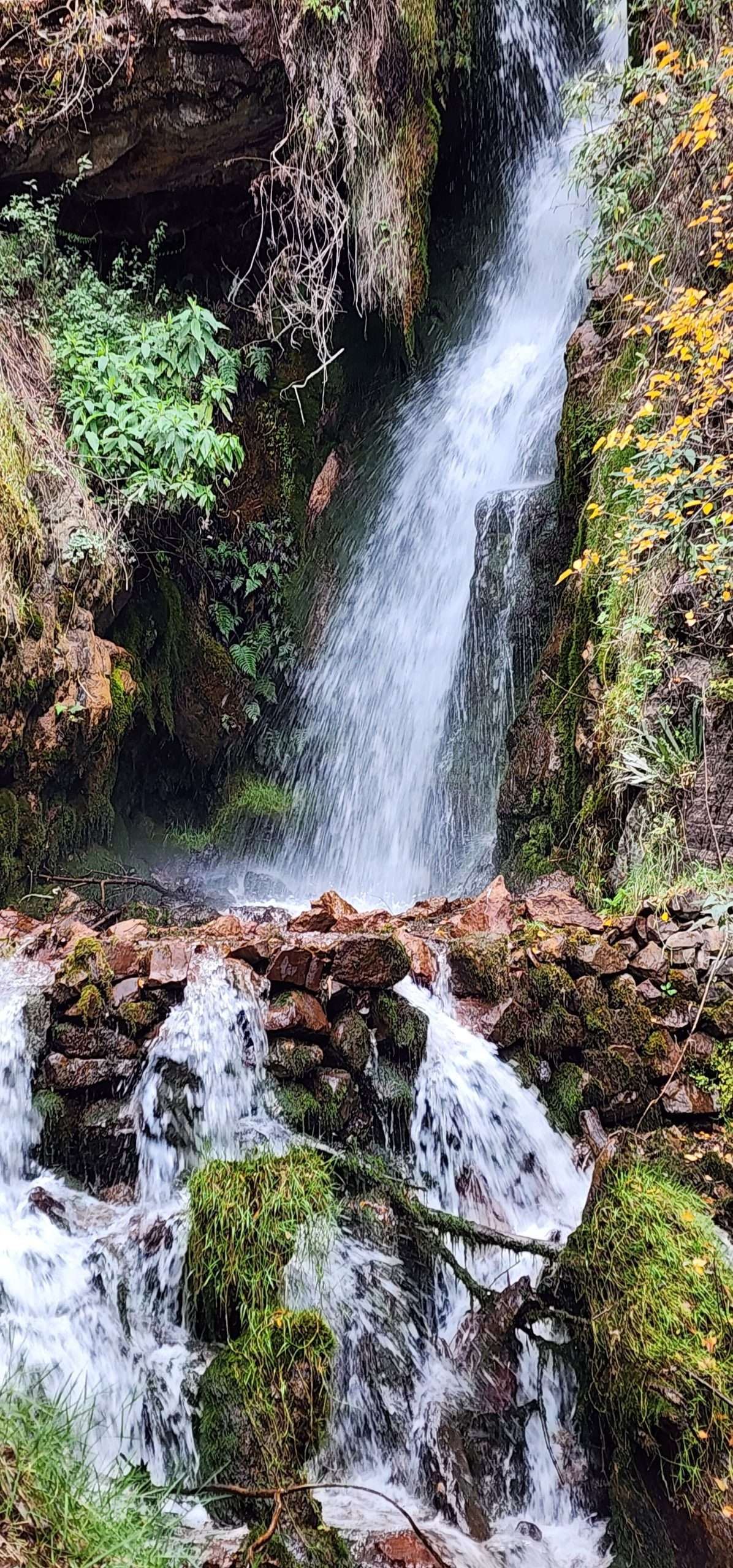
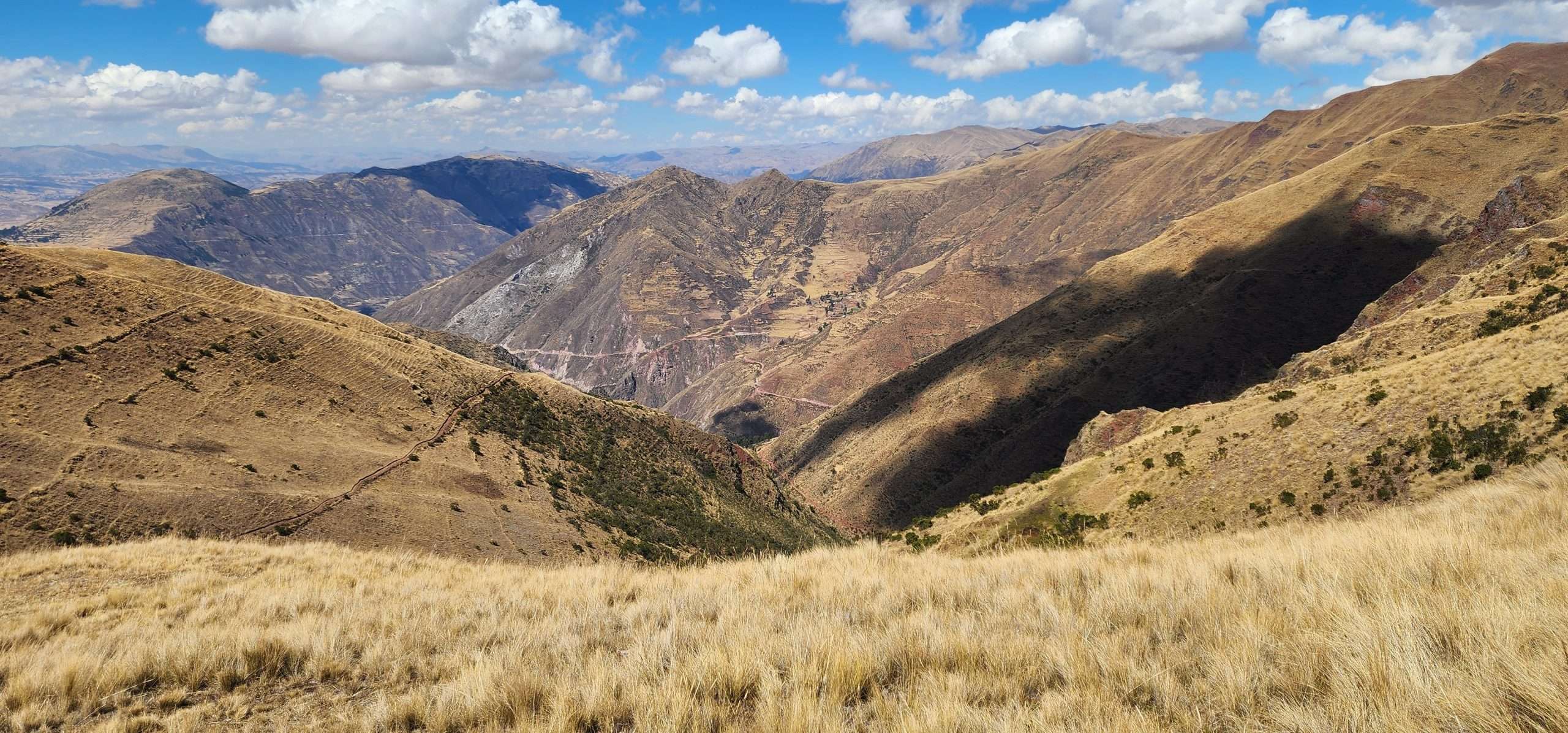
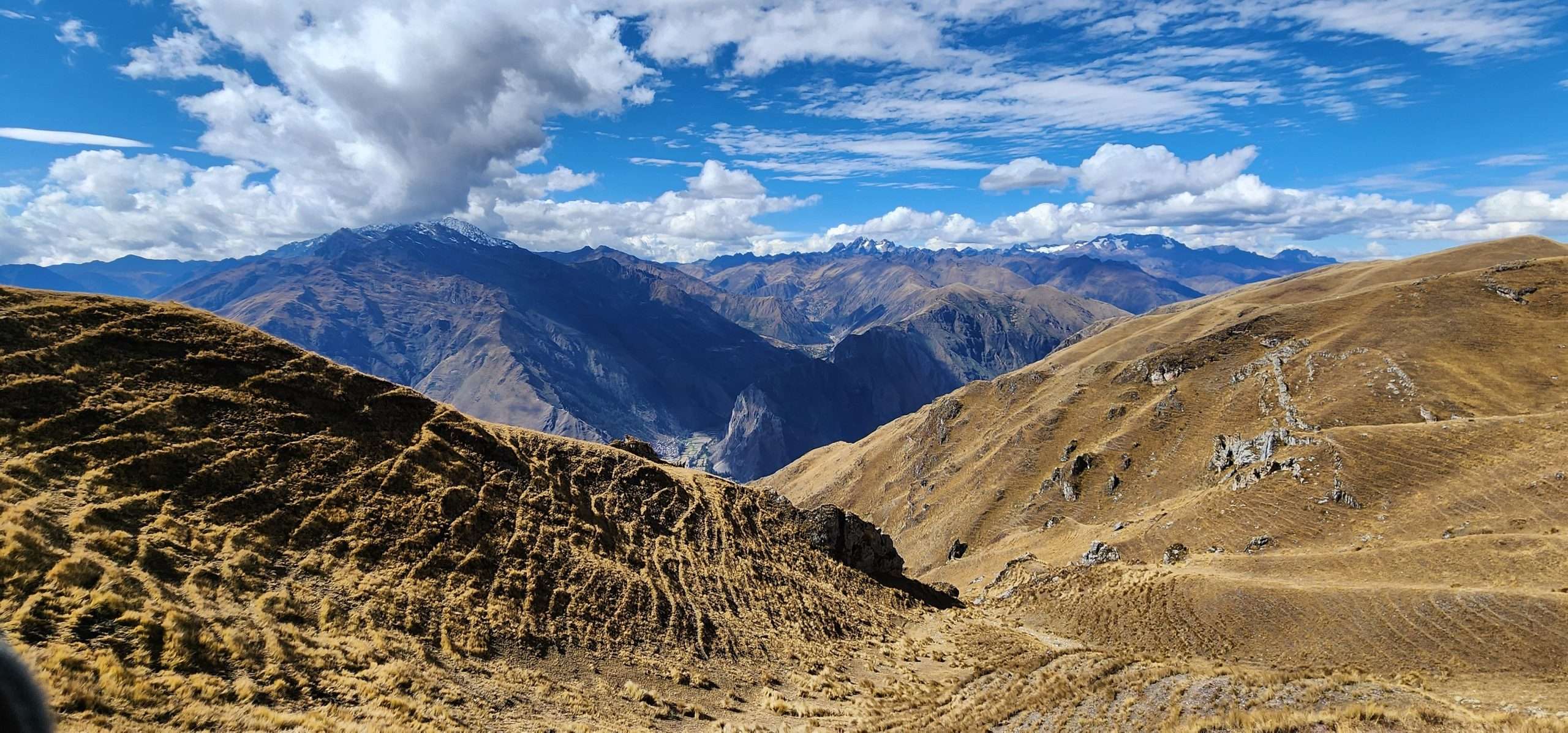
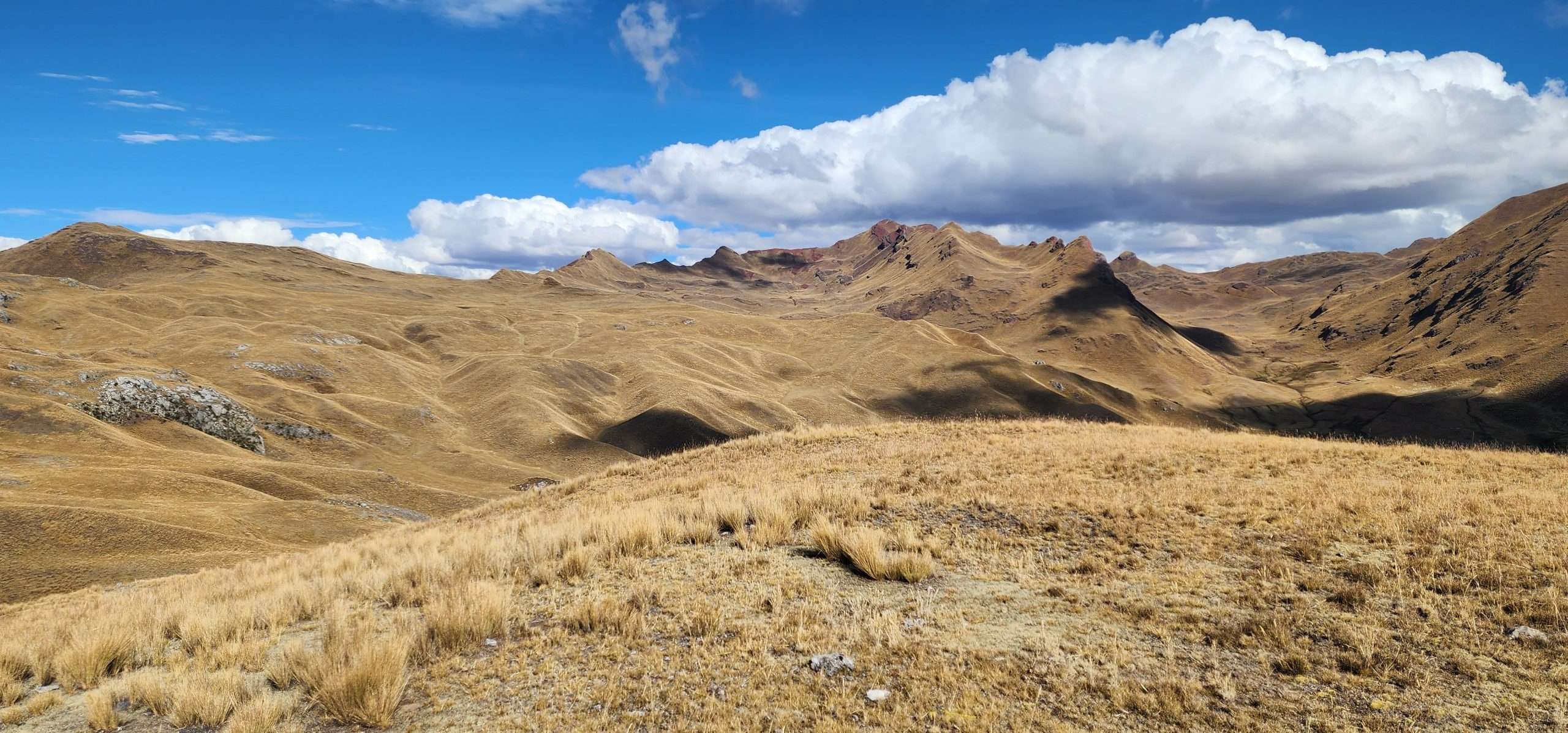
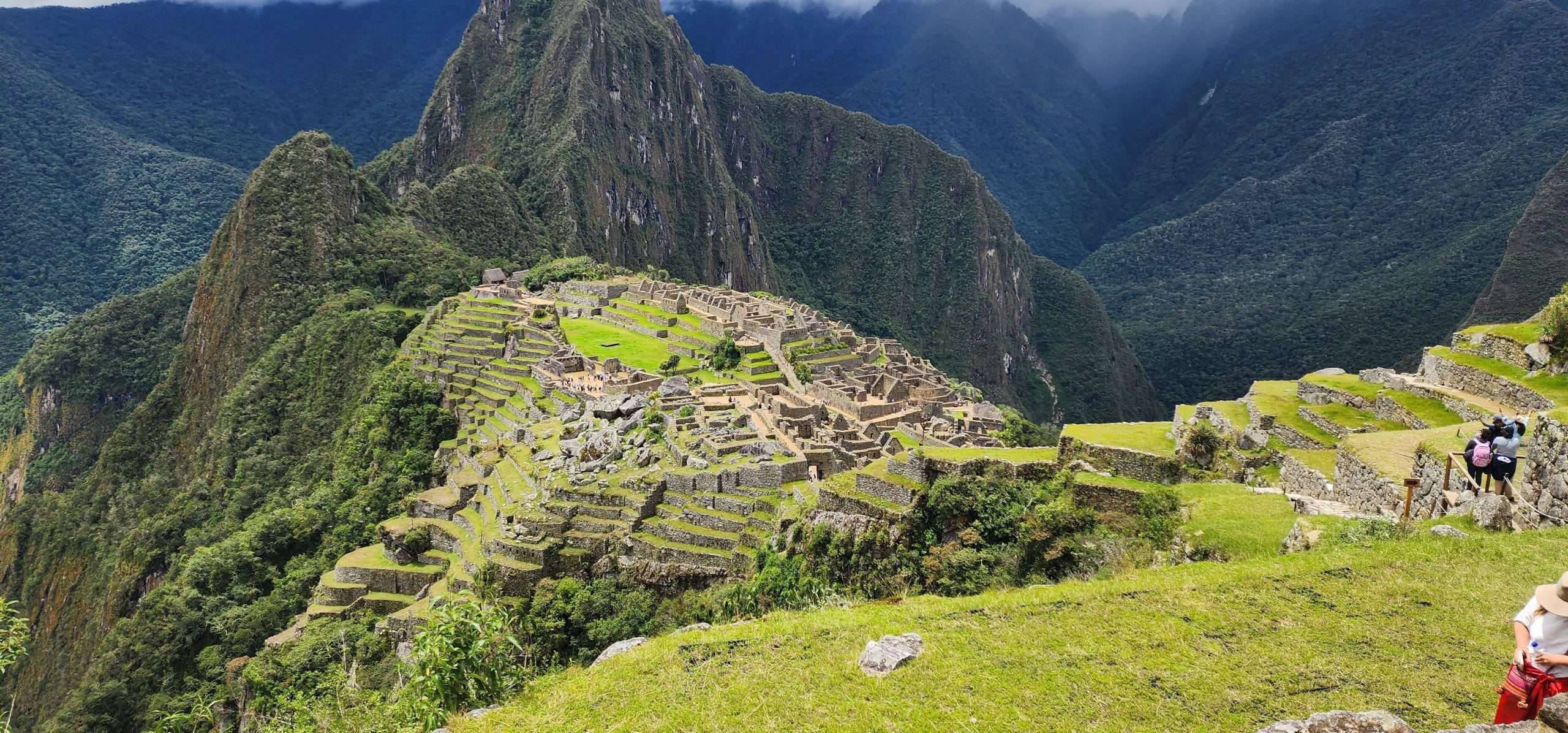
The Inca Quarry Trail to Machu Picchu 4 Days with Wonders of Peru Expeditions follows an ancient route through remote Inca quarries, waterfalls, and archaeological sites that most visitors to Peru never see. Named one of the top six alternative routes to Machu Picchu by National Geographic, this trail offers a quieter, more intimate trekking experience than the Classic Inca Trail.
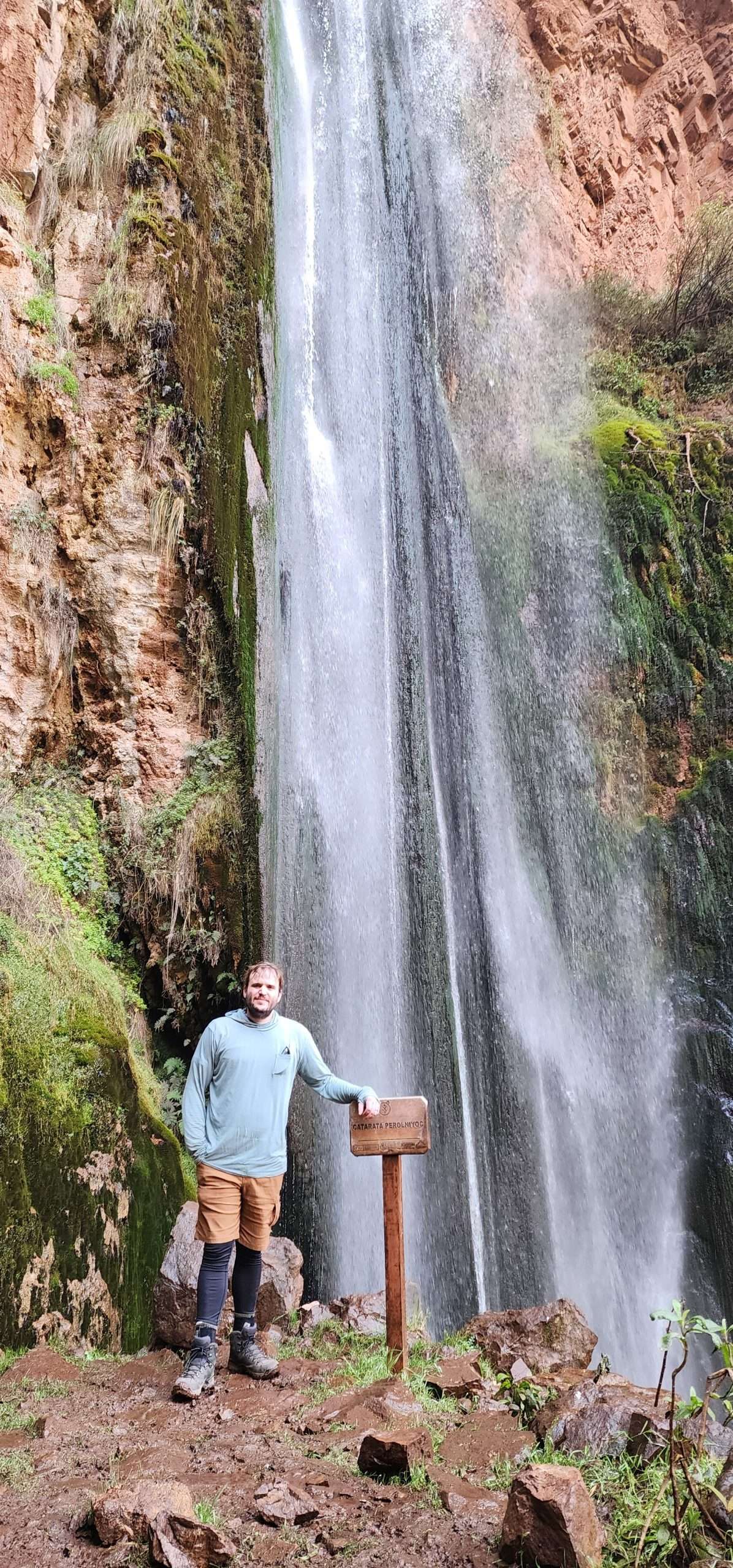
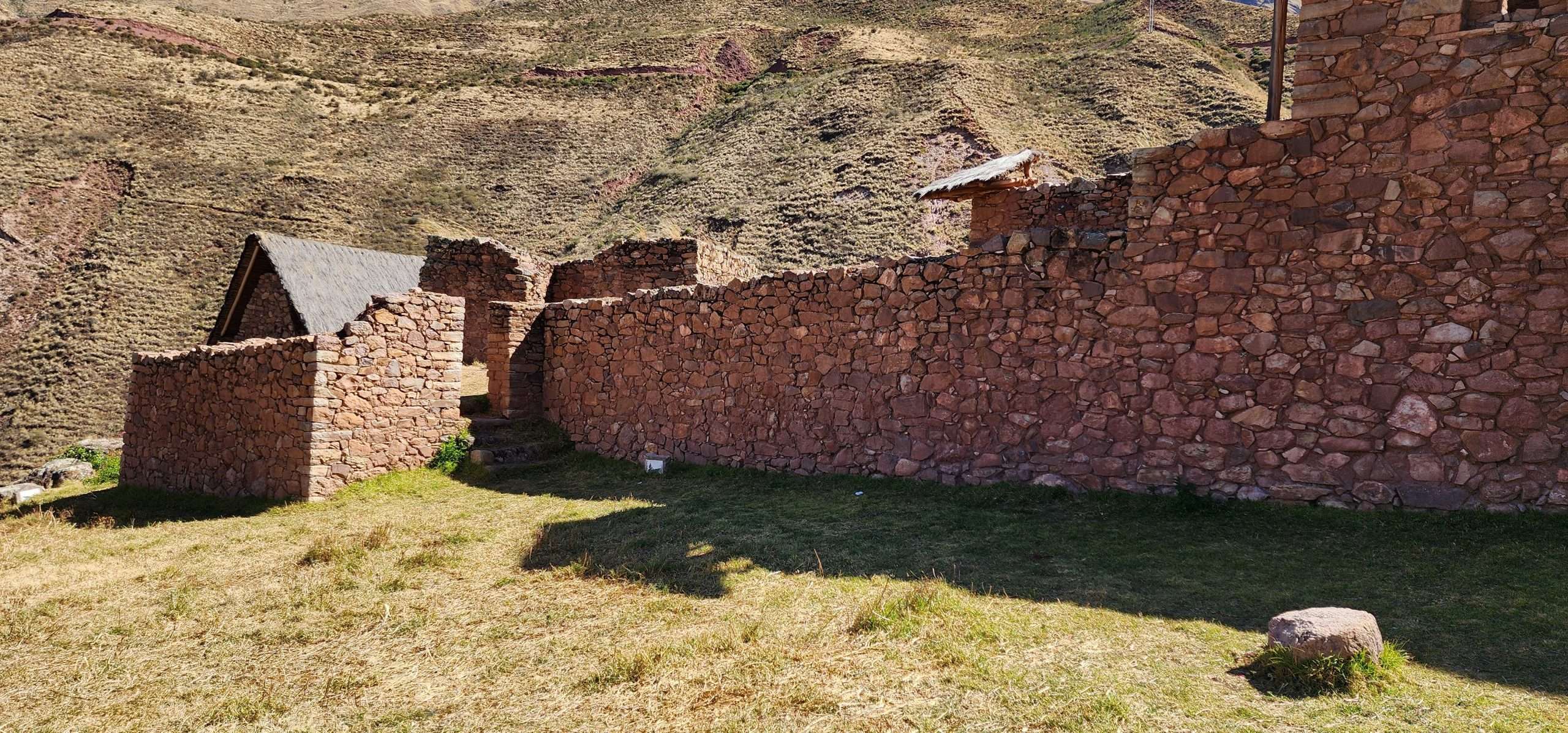
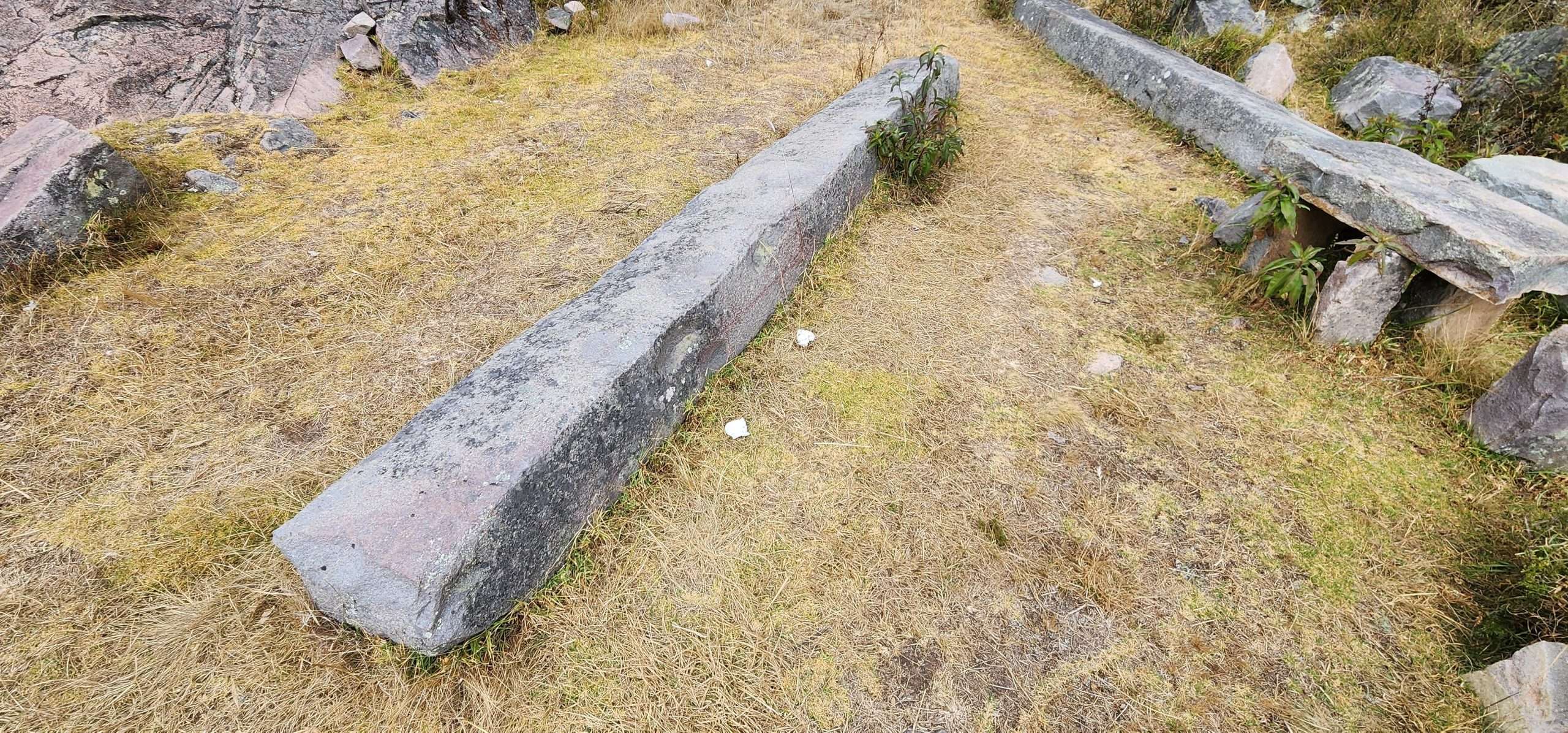
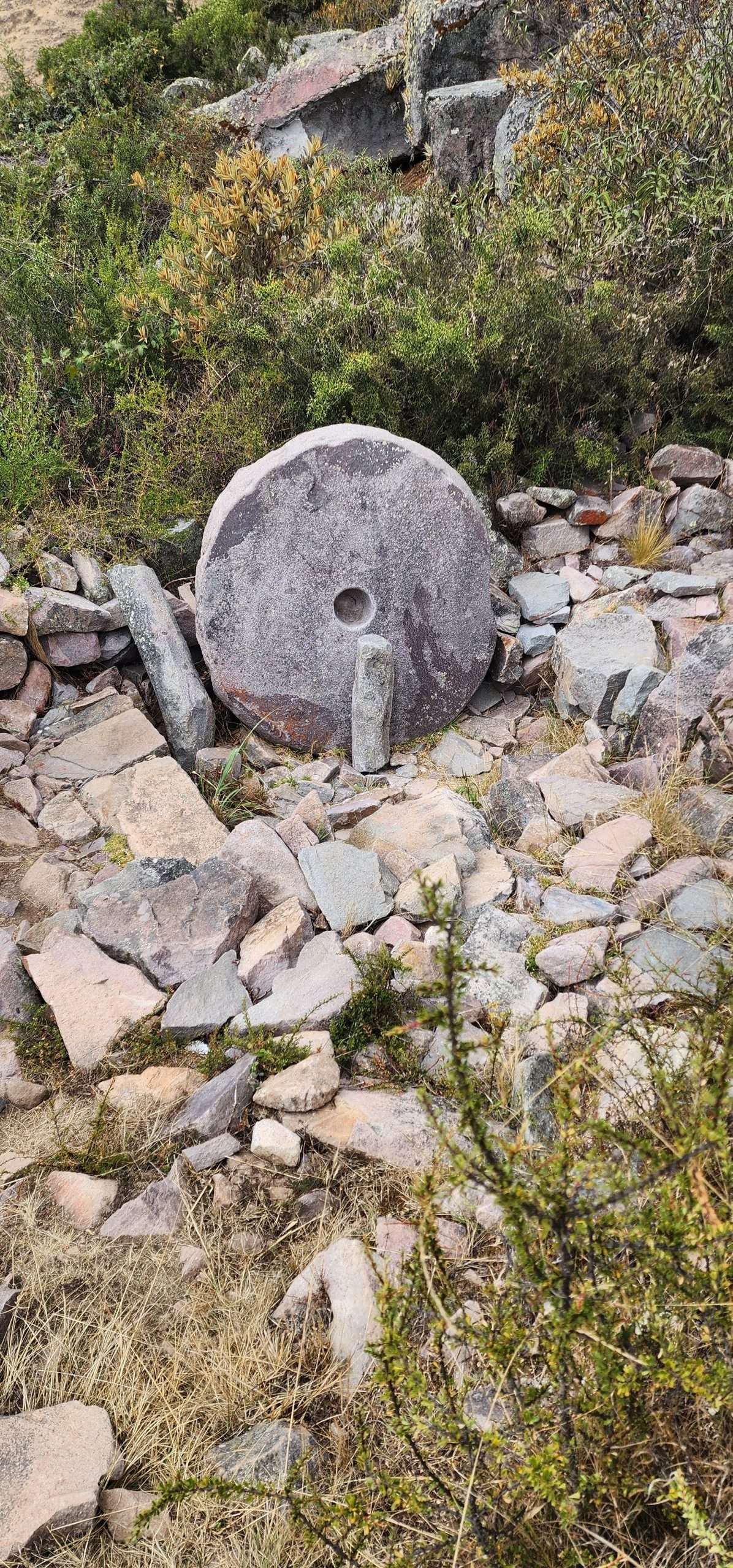
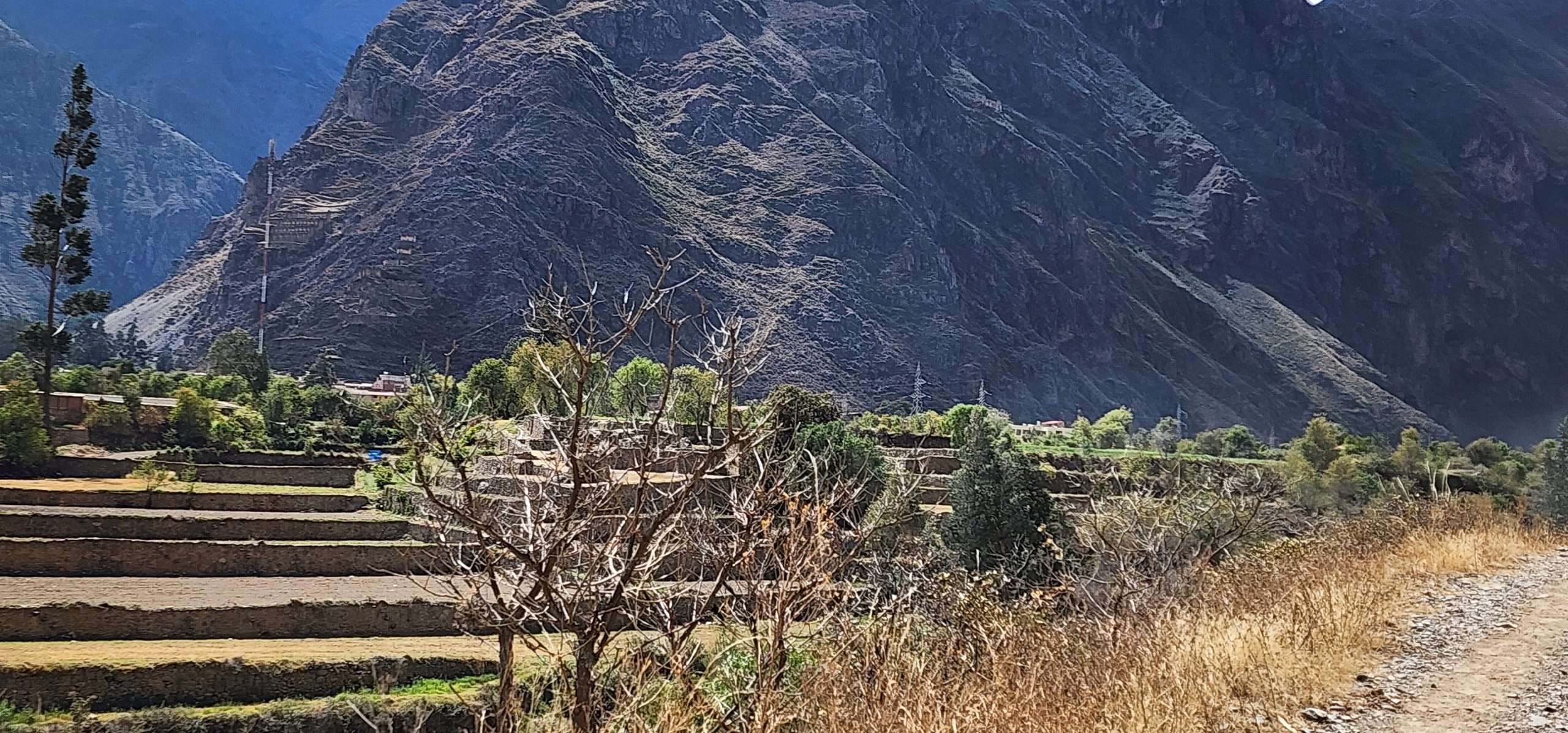
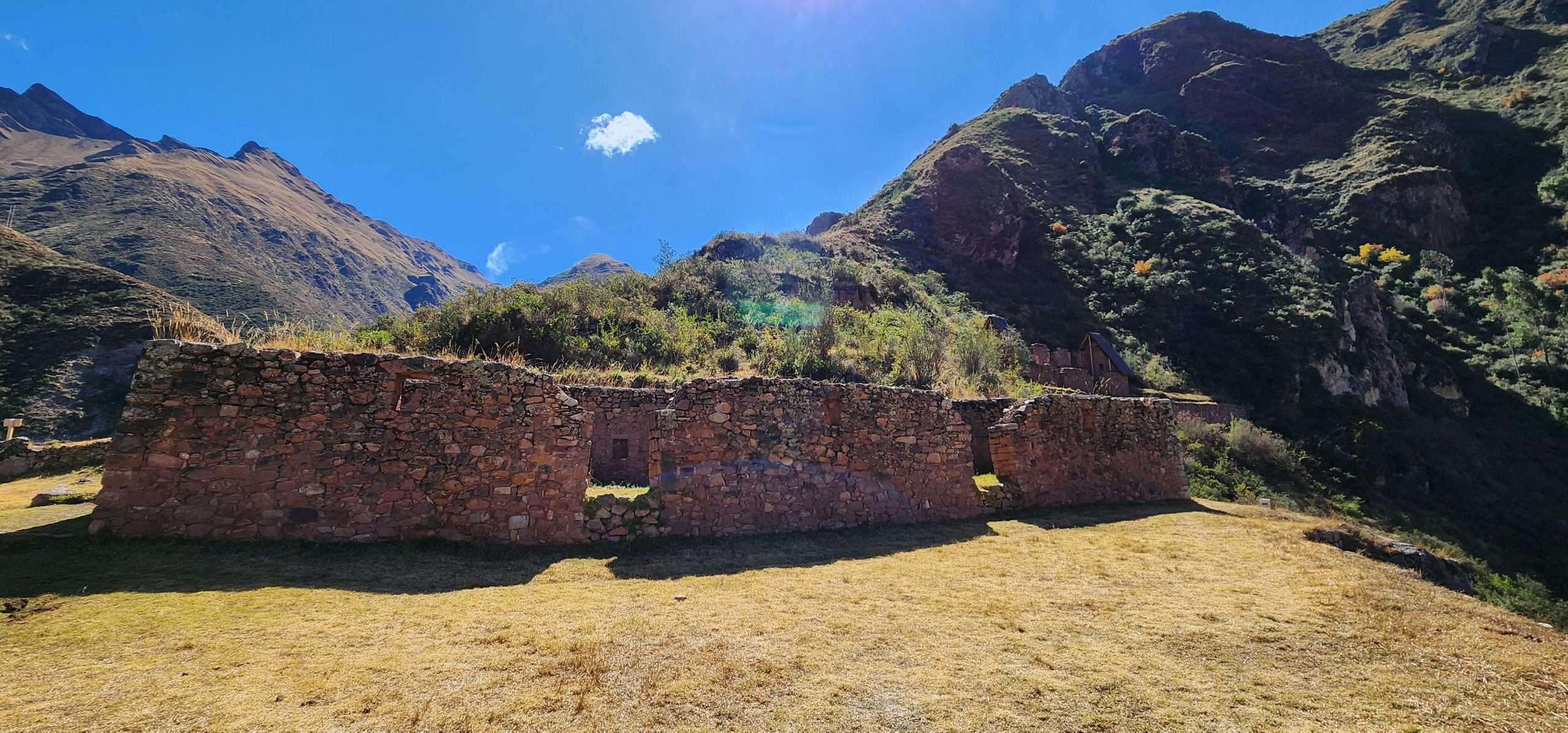
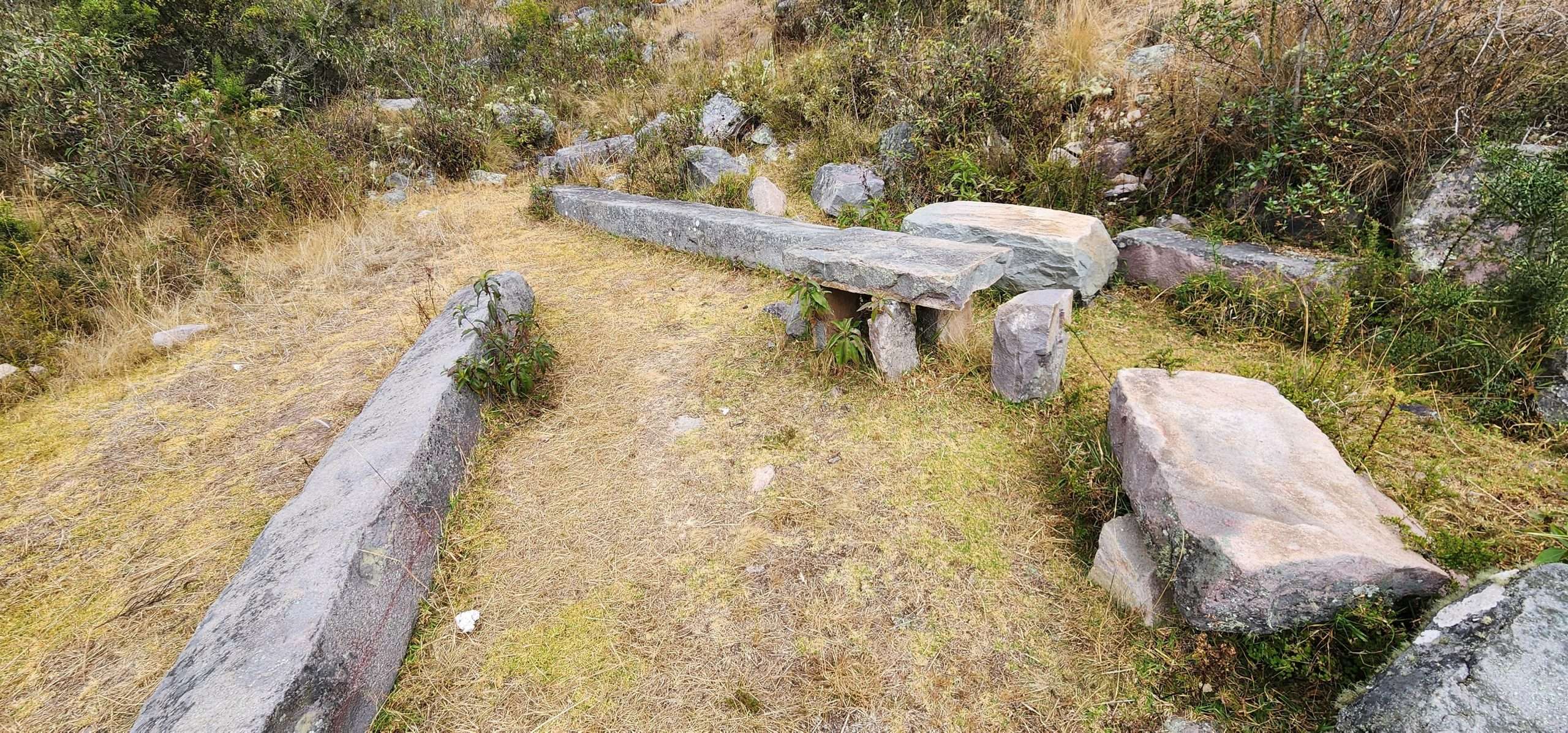
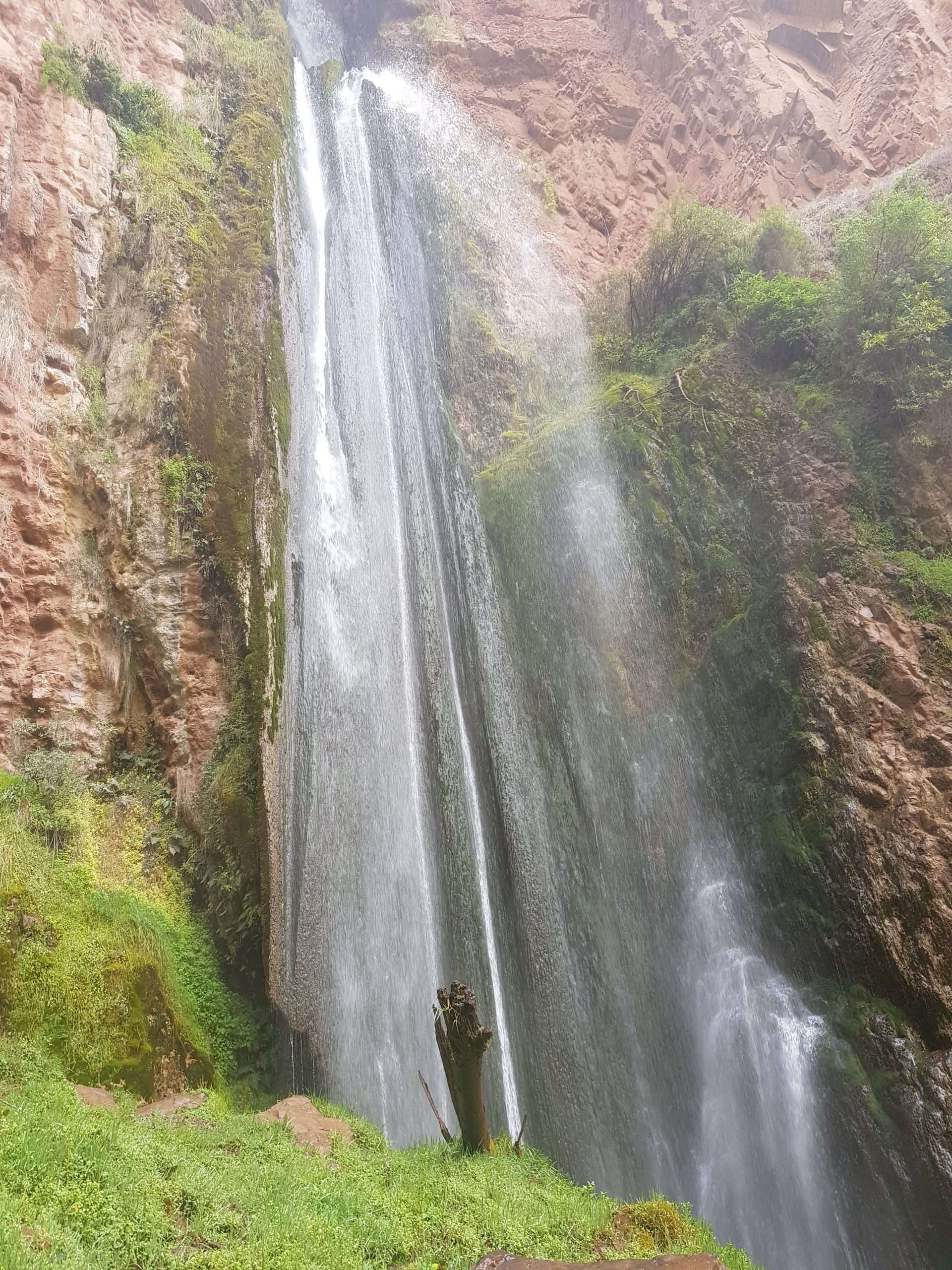
This trek combines stunning Andean scenery with fascinating Inca history. You visit the Perolniyoc Waterfall, explore ancient ruins at Raqay Pata, cross two mountain passes above 4,370 m, pass through the original Inti Punku (Sun Gate), and walk among the giant stones of the Cachicata Quarry — where Inca stonemasons once cut blocks destined for Ollantaytambo.
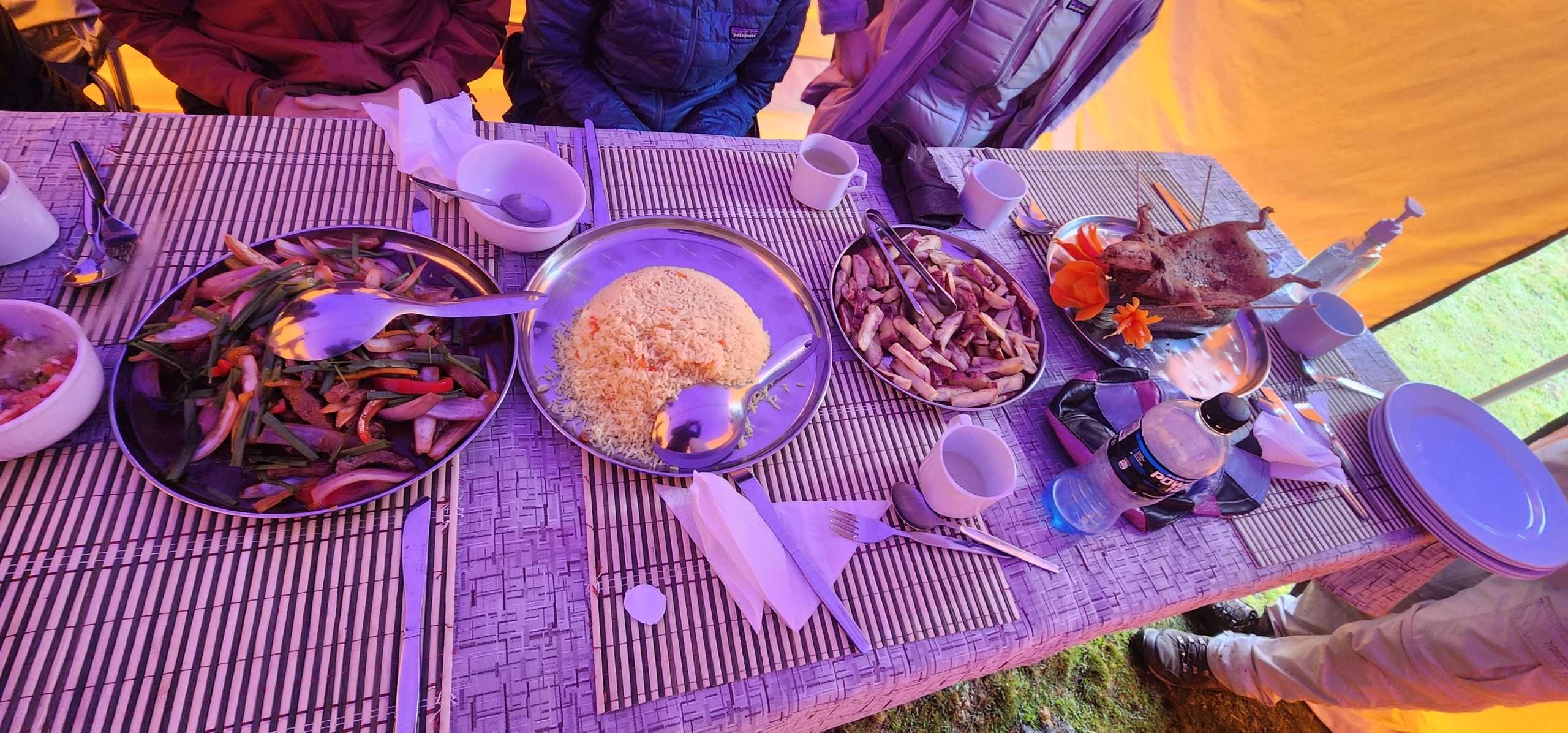
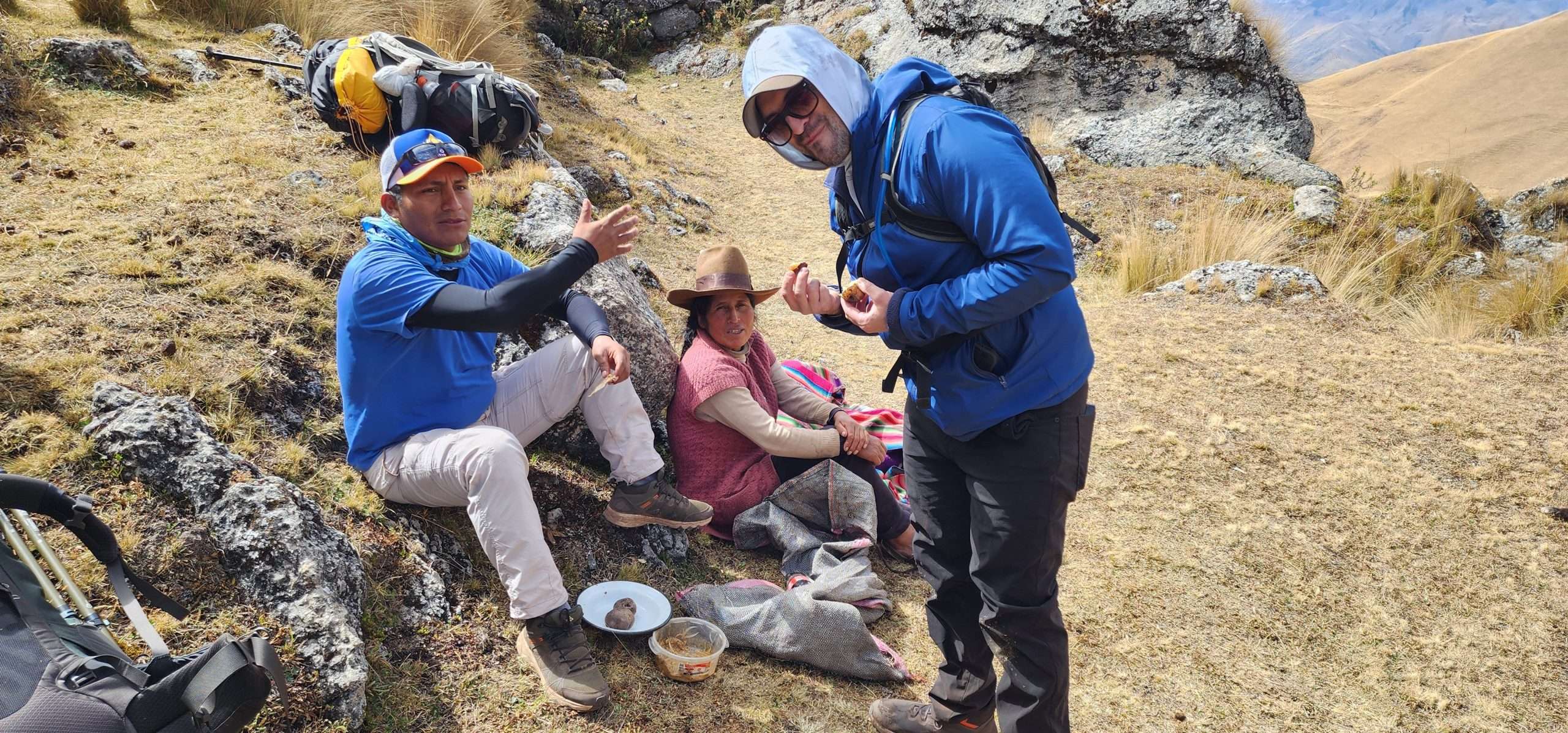
Certified bilingual guides lead small groups of no more than 8 trekkers. Porters and horses carry your main gear so you only need a daypack with water and personal items. Our chef prepares all meals in camp, and we accommodate dietary needs with advance notice.
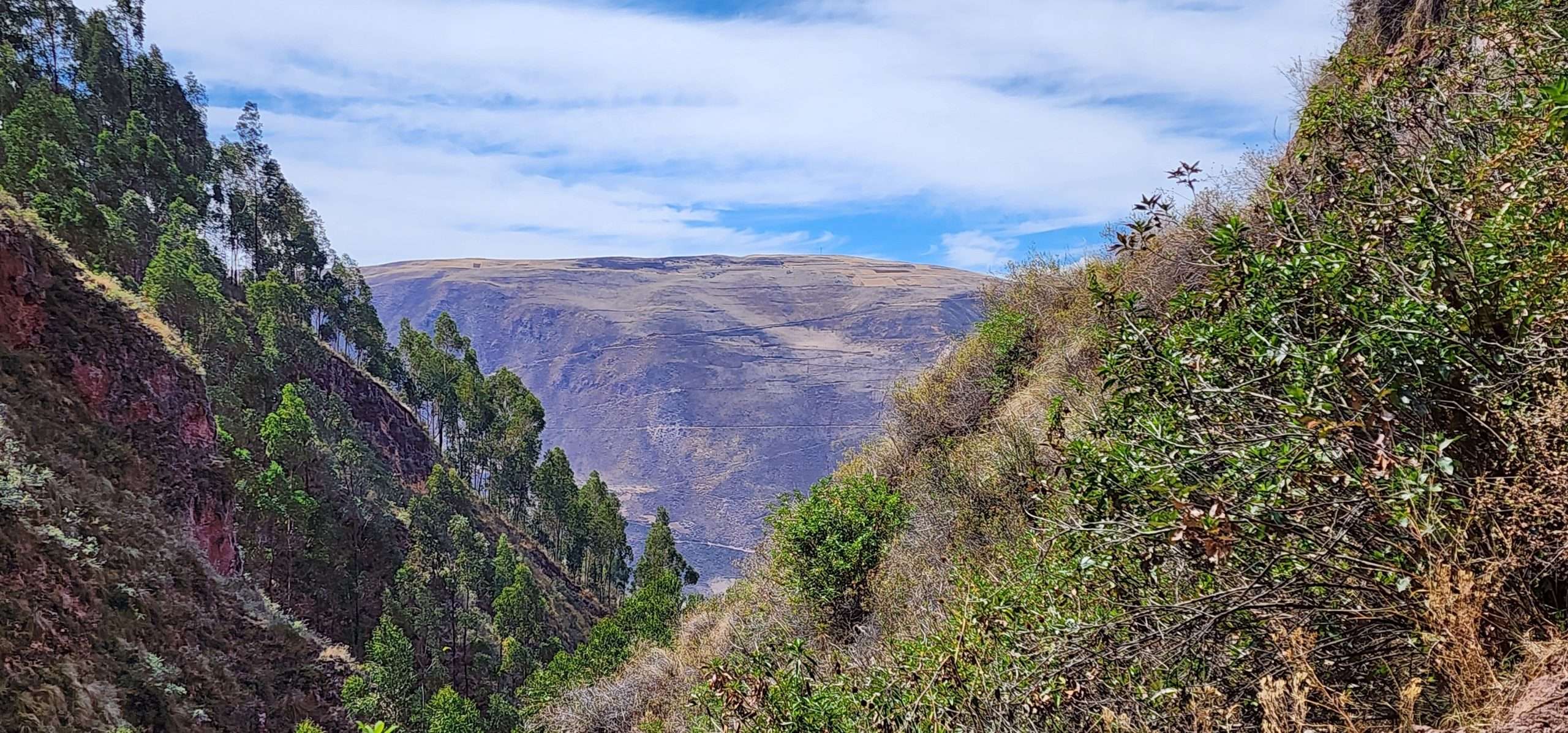
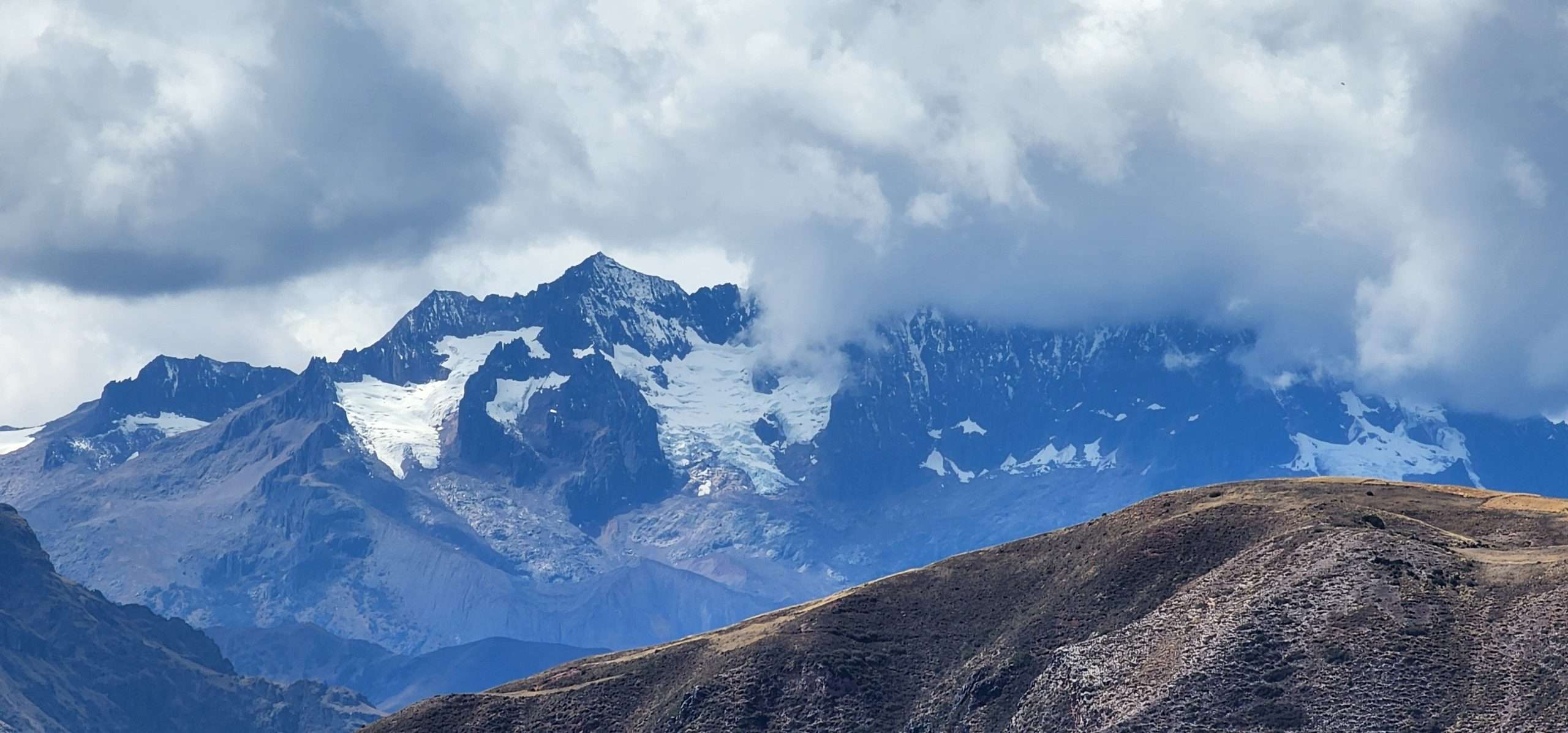
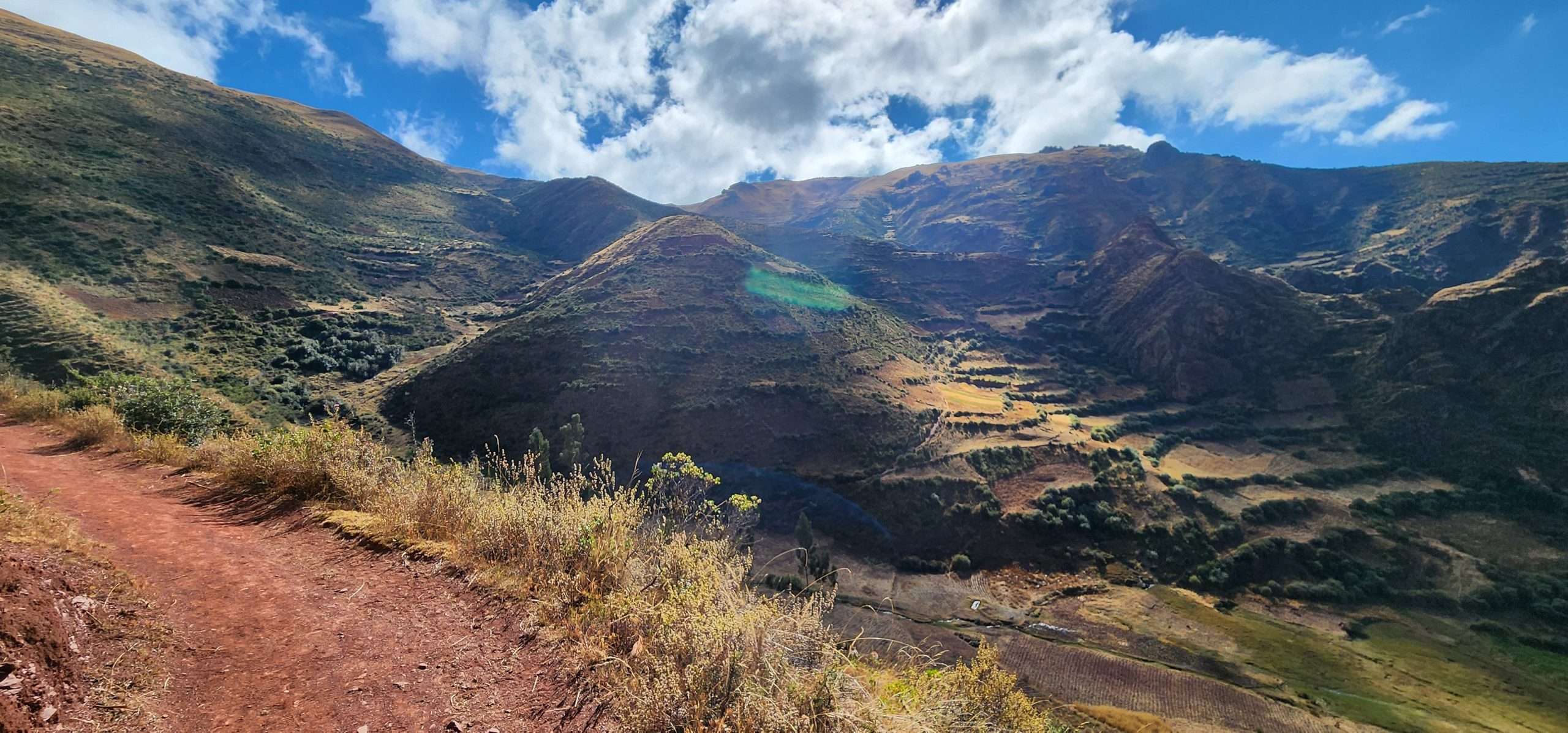
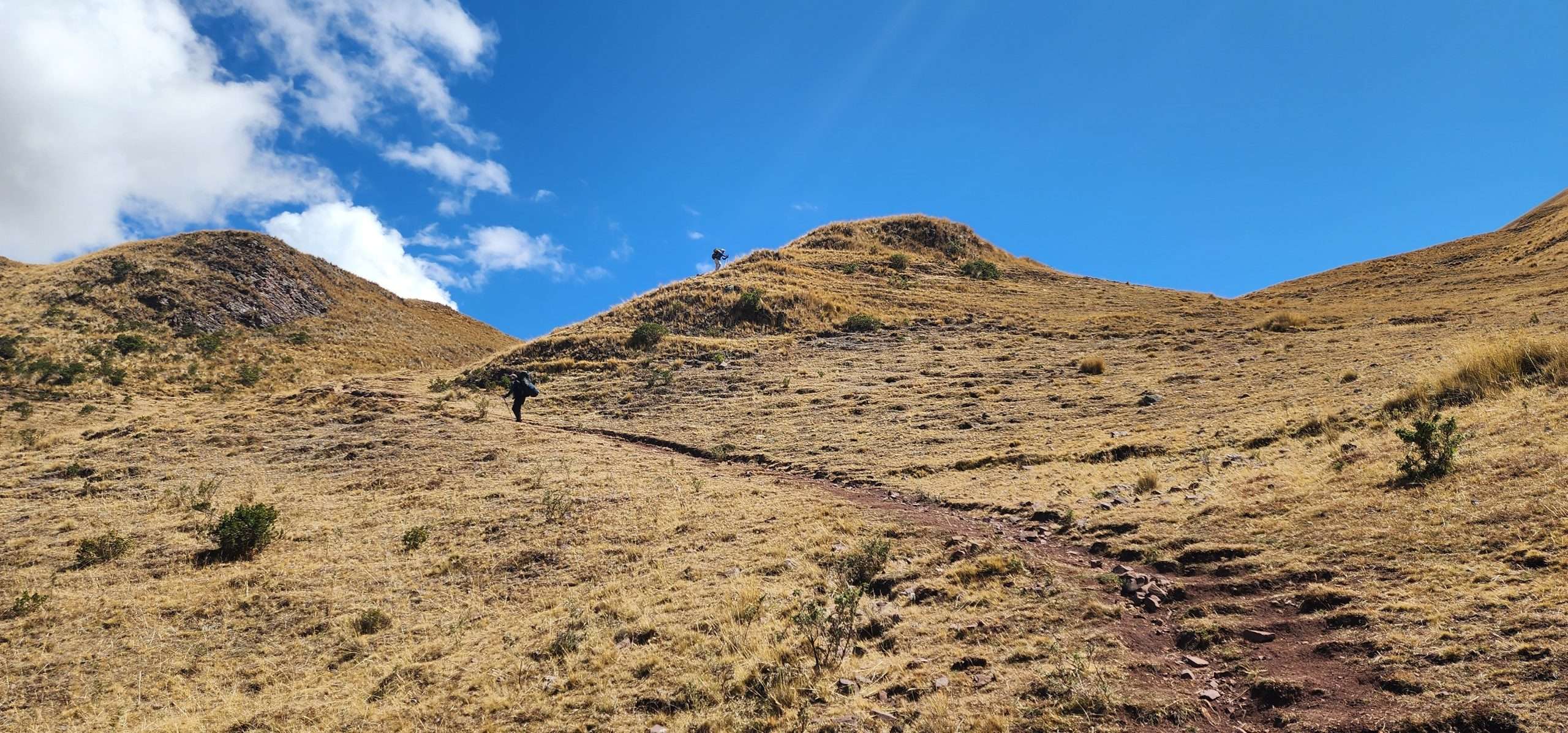
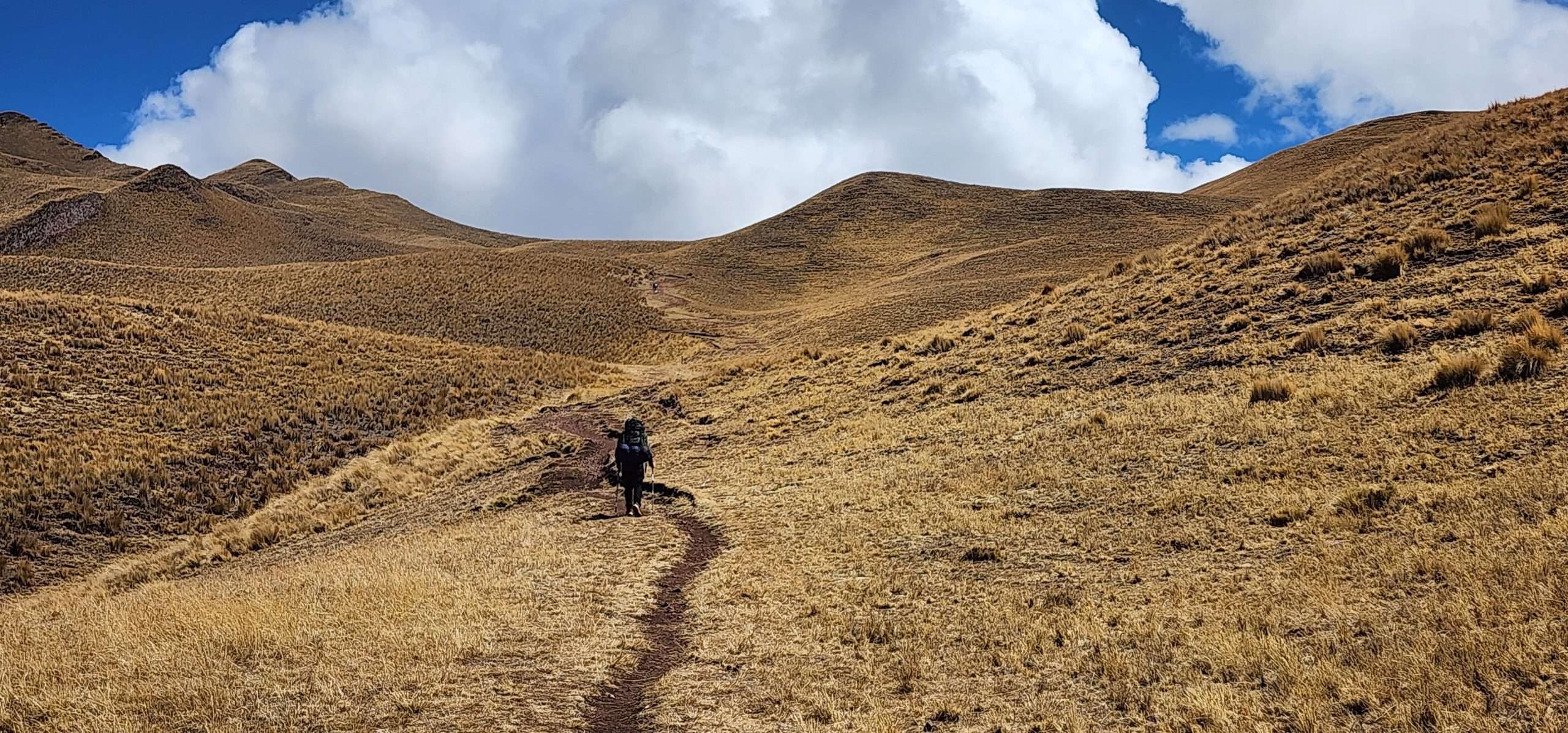
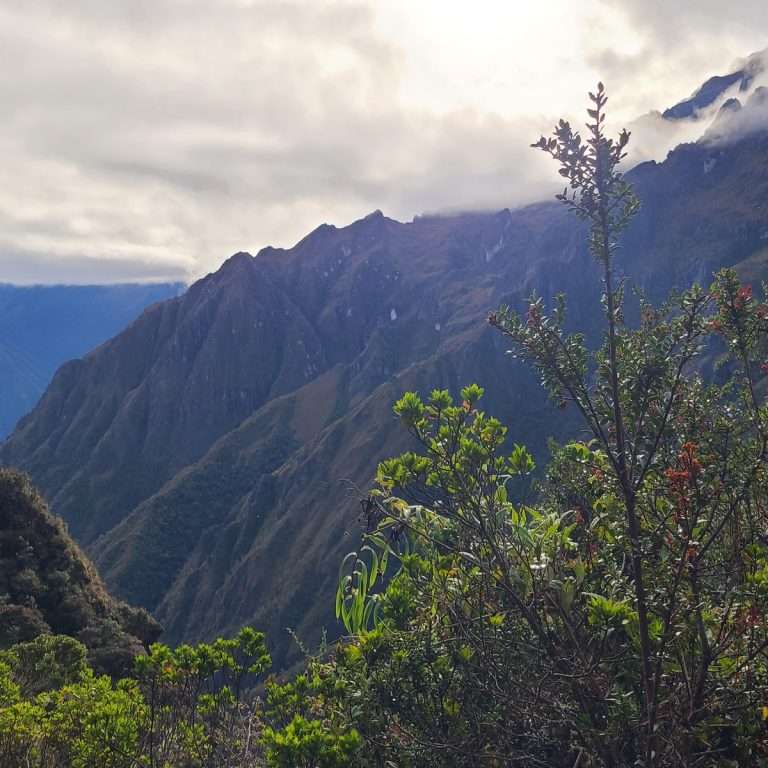
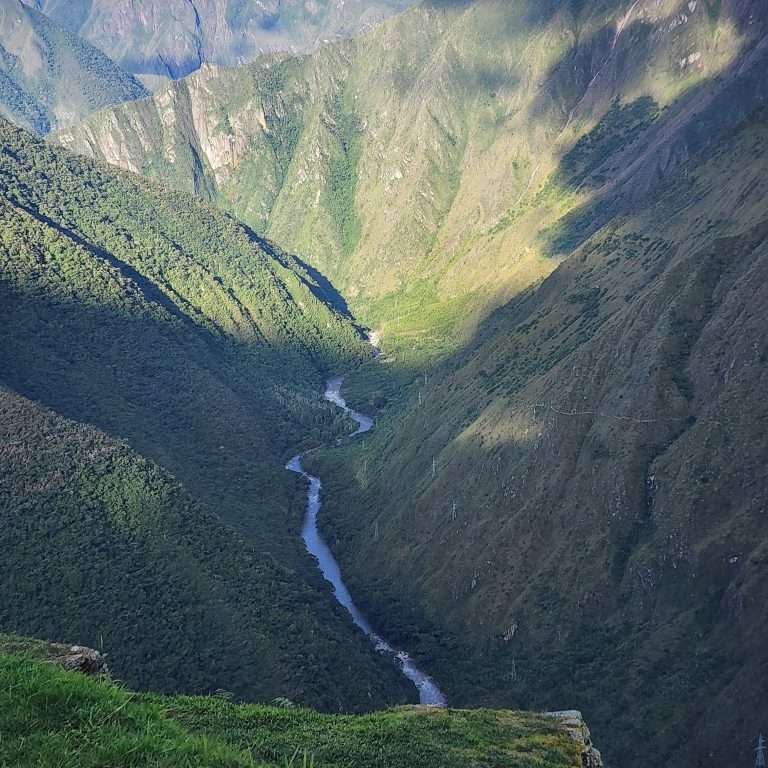
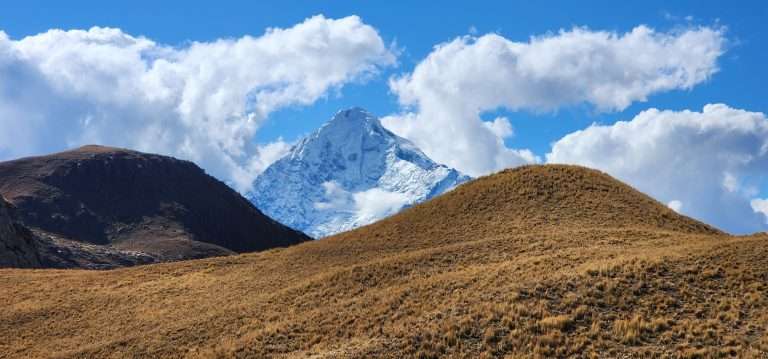
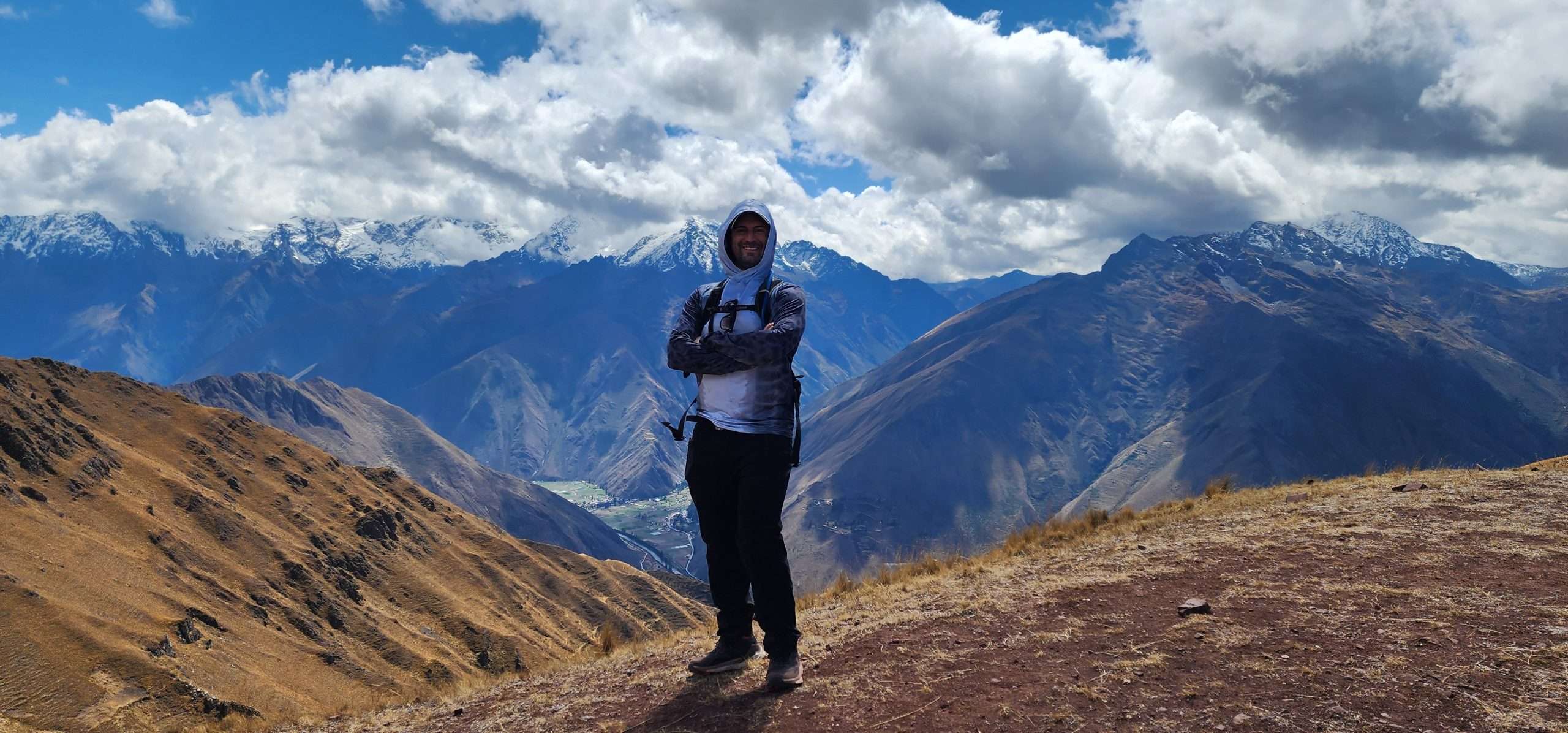
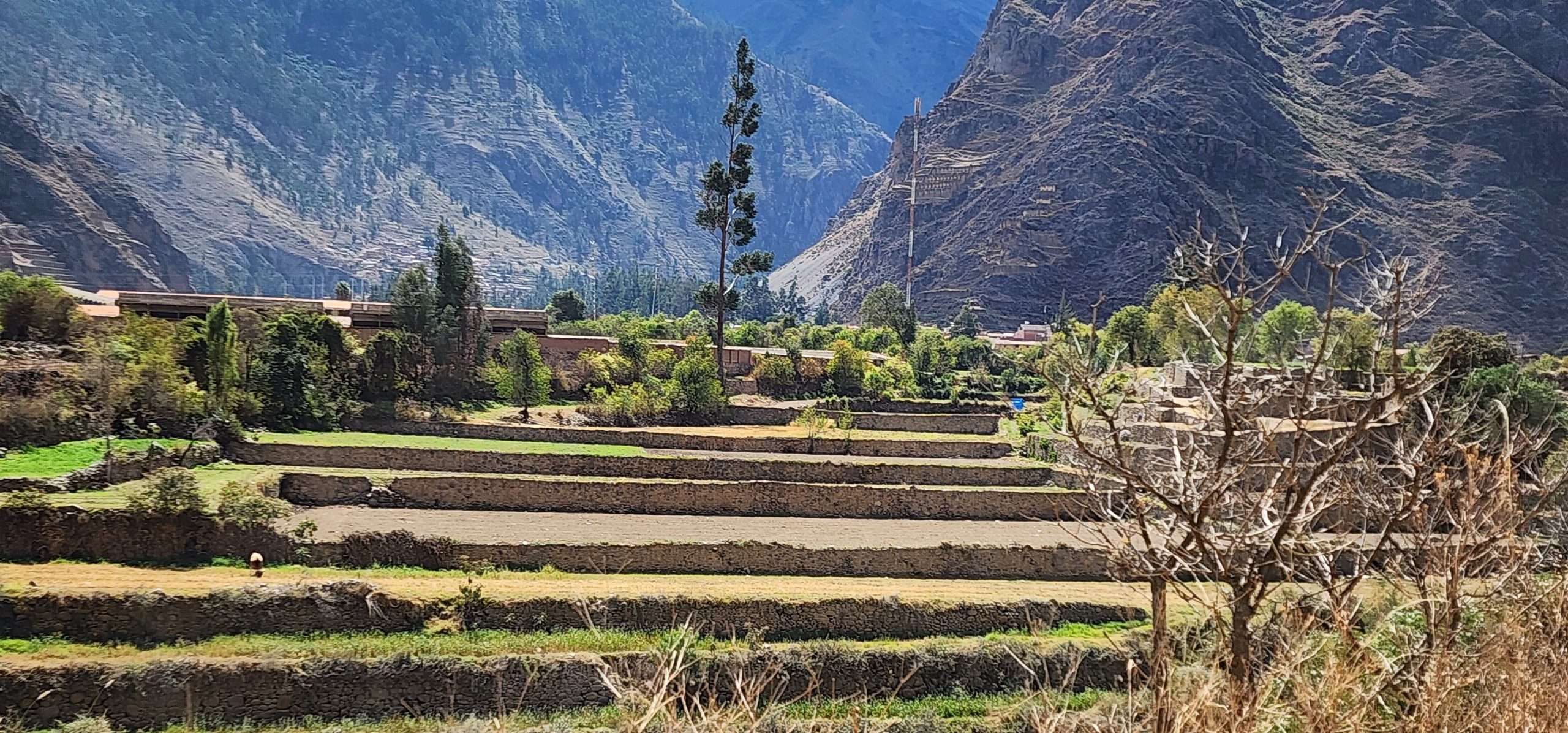
The first two days ease you into the trek with moderate hiking through rolling farmland, valleys, and past hidden waterfalls and ruins. Day 3 is the most challenging — crossing two high passes with panoramic views of glaciers and the Sacred Valley before descending through cloud forest to your final camp. Day 4 takes you through the famous Cachicata Quarry, then by train to Machu Picchu for a full guided tour before returning to Cusco.
No government trekking permit is required, unlike the Classic Inca Trail. This makes the Inca Quarry Trail an excellent option for travelers who prefer to avoid permit limitations and crowded routes while still ending their trek at Machu Picchu.
4 Days
2-8
English, Spanish
The Inca Quarry Trail is a challenging trek reaching 4,450 m (14,600 ft) at its highest pass. With proper preparation, it is accessible to most fit travelers. Here are key tips to help you get ready.
Begin training at least four to six weeks before departure. Focus on cardio endurance through hiking, running, cycling, or swimming. Incorporate leg strength exercises for ascending and descending mountain passes. Aim for at least two to three hikes at progressively higher effort levels. This trek is rated challenging at 4.0 out of 5, with Day 3 involving a full day crossing two passes above 4,300 m.
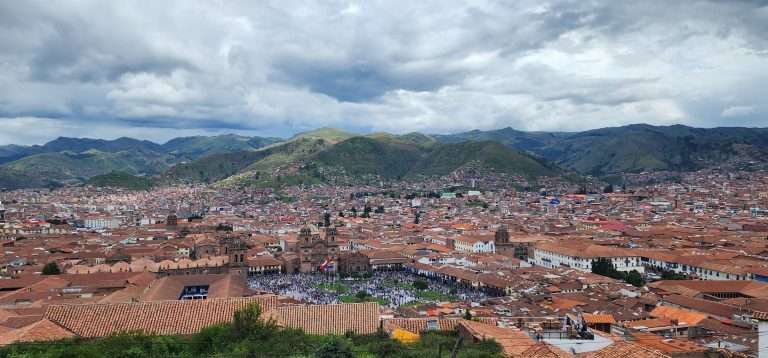
Plan to arrive in Cusco at least two full days before the trek begins. Cusco sits at 3,400 m / 11,152 ft, and your body needs time to adjust before going higher. During this time, stay well hydrated, eat light meals, avoid alcohol, and take it easy. Coca tea is a traditional Andean remedy that many trekkers find helpful.
Your main luggage stays at your hotel in Cusco. For the trek you pack a duffel bag (5 kg / 11 lbs maximum) carried by horses, plus a daypack you carry yourself. Essential items include warm layers for cold nights, a waterproof rain jacket, sun hat, sunscreen, sunglasses, headlamp, water bottle, and personal toiletries. A detailed packing list is provided after booking.
Our chef prepares all meals on the trail using fresh ingredients. We accommodate vegetarian, vegan, gluten-free, and allergy-specific diets with advance notice. Meals include breakfast, lunch, and dinner. Bring your own trail snacks if you prefer extra energy food during the hike.
Weather at altitude is variable and can change quickly. Daytime temperatures are pleasant in direct sun but drop in shade and at the passes. Nights at camp can be cold, especially at the higher campsites. Dress in moisture-wicking layers you can add or remove throughout the day. A good waterproof jacket is essential during the shoulder season.
Our guides carry first aid kits with emergency oxygen. An emergency horse accompanies the group throughout the trek. If you take any prescription medication, bring enough for the entire trip plus extra days as a precaution.
We provide you with a duffel bag during your briefing and include the services of horses to carry up to 5 kg (11 lbs) of your gear. This allowance covers your sleeping bag and any extra clothing you may need. All bags will be weighed prior to acceptance. If your gear exceeds this limit, you will need to carry the additional weight in your daypack.
We highly recommend a small backpack of 20 to 30 liters for hiking during the day. A large backpack will not be allowed into Machu Picchu. The remainder of your belongings will be in your duffel bag at camp.