

Pachamanca: A Sacred Valley Feast Cooked by the Earth
A hands-on pachamanca experience near Chinchero — join a local textile workshop and restaurant for an 8,000-year-old Andean tradition of song, weaving, and a banquet of meats and vegetables slow-roasted underground on fire-heated stones.
What Is Pachamanca?
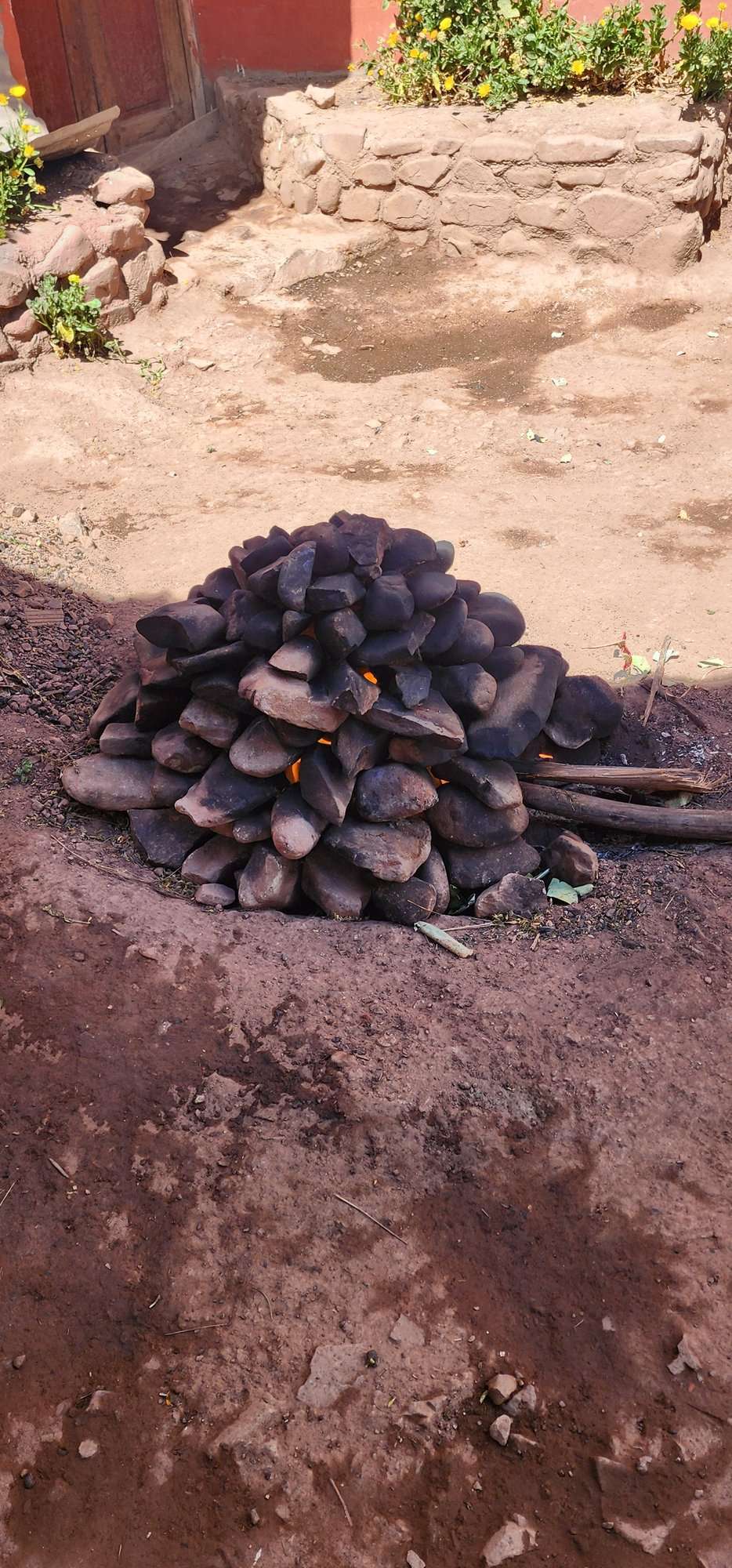
The name tells the whole story. In Quechua, pacha means earth and manca means pot — Pachamanca is, quite literally, cooking in the earth. Long before clay pots or iron stoves, the peoples of the Andes dug ovens into the ground, heated river stones in a fire, and buried their food to roast slowly in the warmth of the soil.
Archaeologists trace the technique back roughly 8,000 years. The Inca made it the heart of their harvest festivals — a feast of gratitude offered to Pachamama, Mother Earth herself. Today it remains one of Peru’s most ceremonial meals: not a dish you order, but an event a whole community gathers to create.
Why This Pachamanca Experience Is Special
This isn’t a dish you order and wait for. Our partners — a local textile workshop and pachamanca restaurant just outside Chinchero — open the entire tradition to you: the weaving, the music, the history of the valley, and a feast built and cooked in front of you the way it has been for thousands of years. Hands-on, unhurried, and personal — a living Andean tradition, not a show staged for tourists.
Your Pachamanca Afternoon, Step by Step
After exploring the town and ruins of Chinchero, it’s a short 20-minute drive into the countryside.
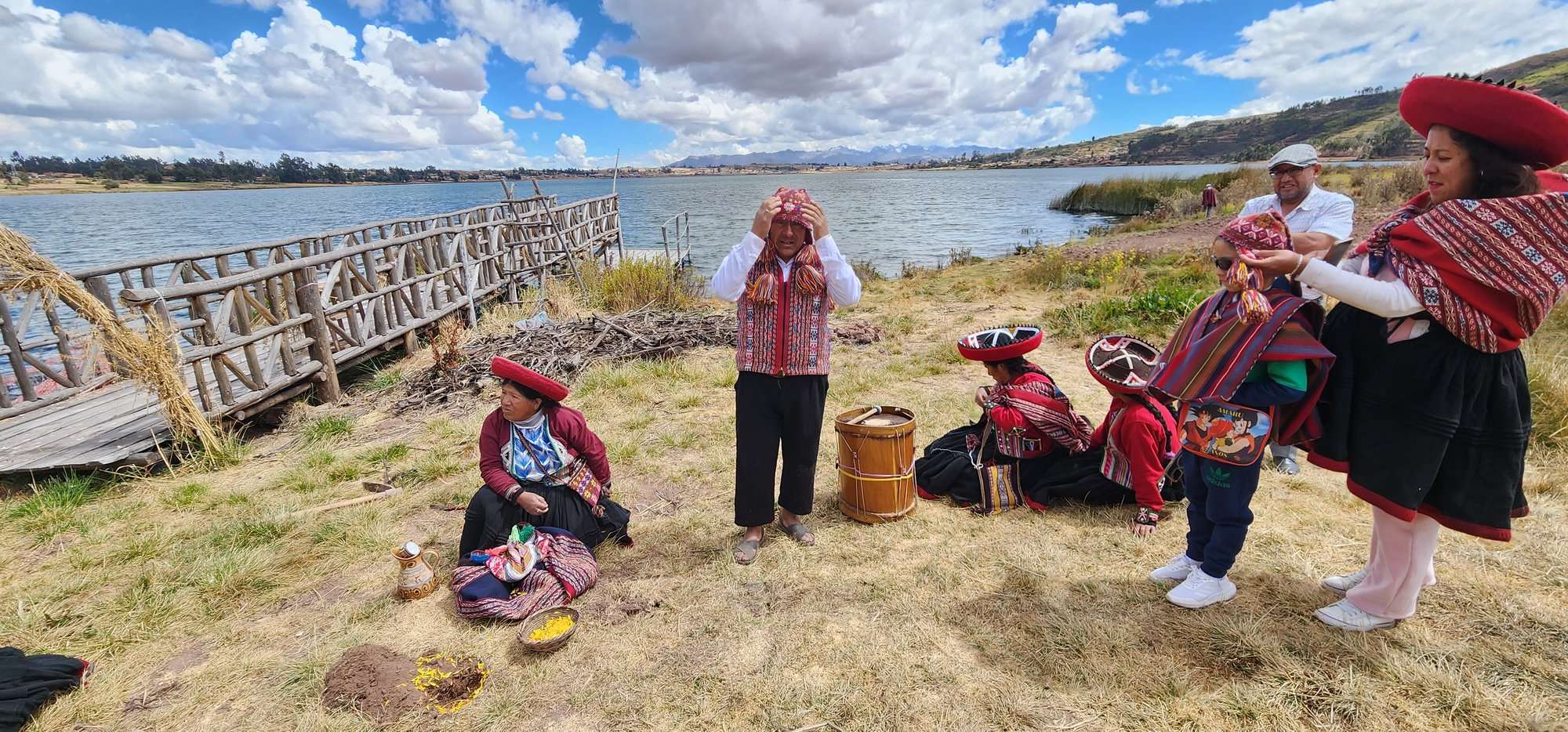
Greeted with song and dance
- A welcome in song and dance. Your hosts greet you with traditional Andean music as the earth oven is already being built and heated.
- Meet your hosts and their craft. They introduce themselves and their handwoven textiles and traditional dress, and invite you to try the clothing on.
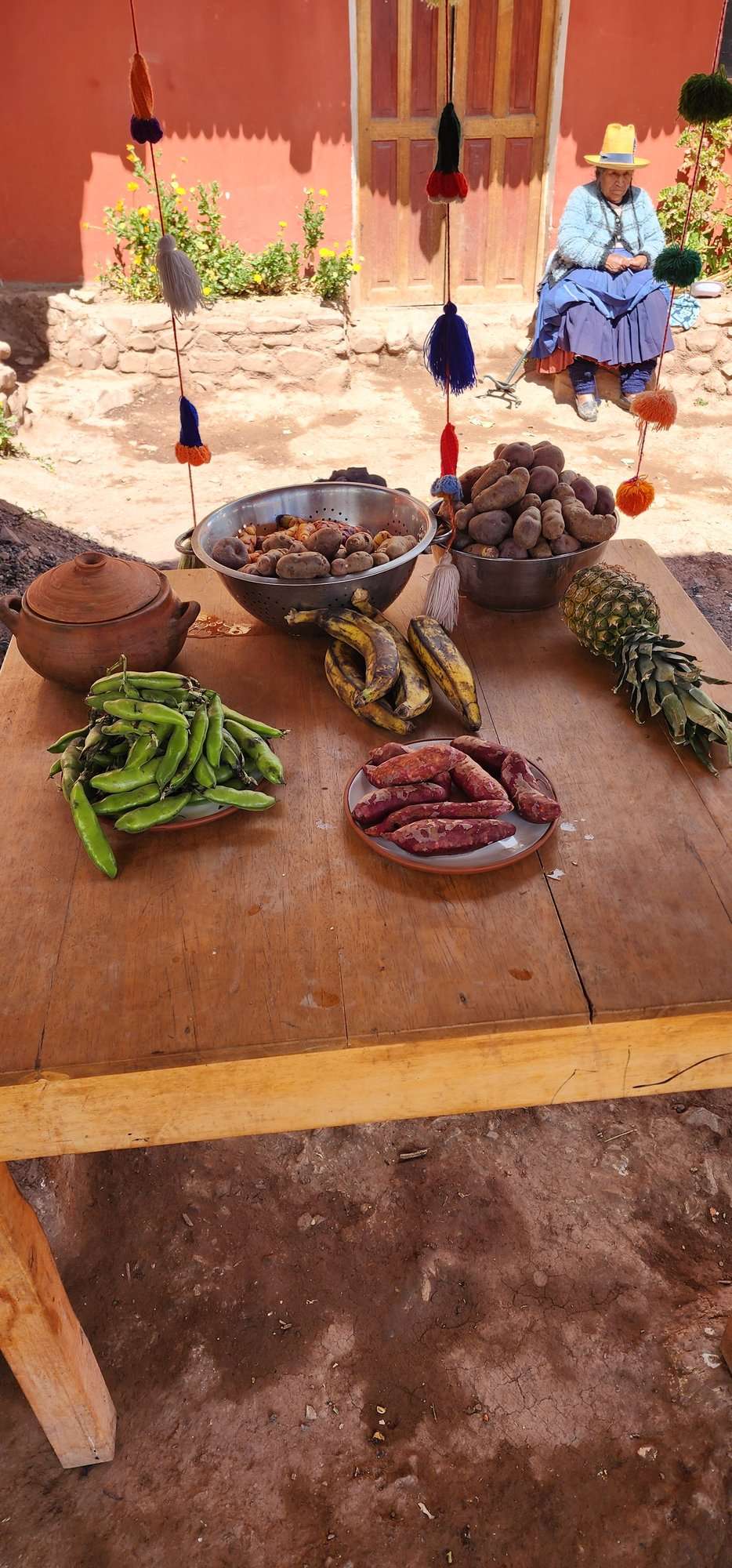
- The food reveal. They show you everything destined for the oven — the meats and the valley’s own vegetables, fresh and uncooked.
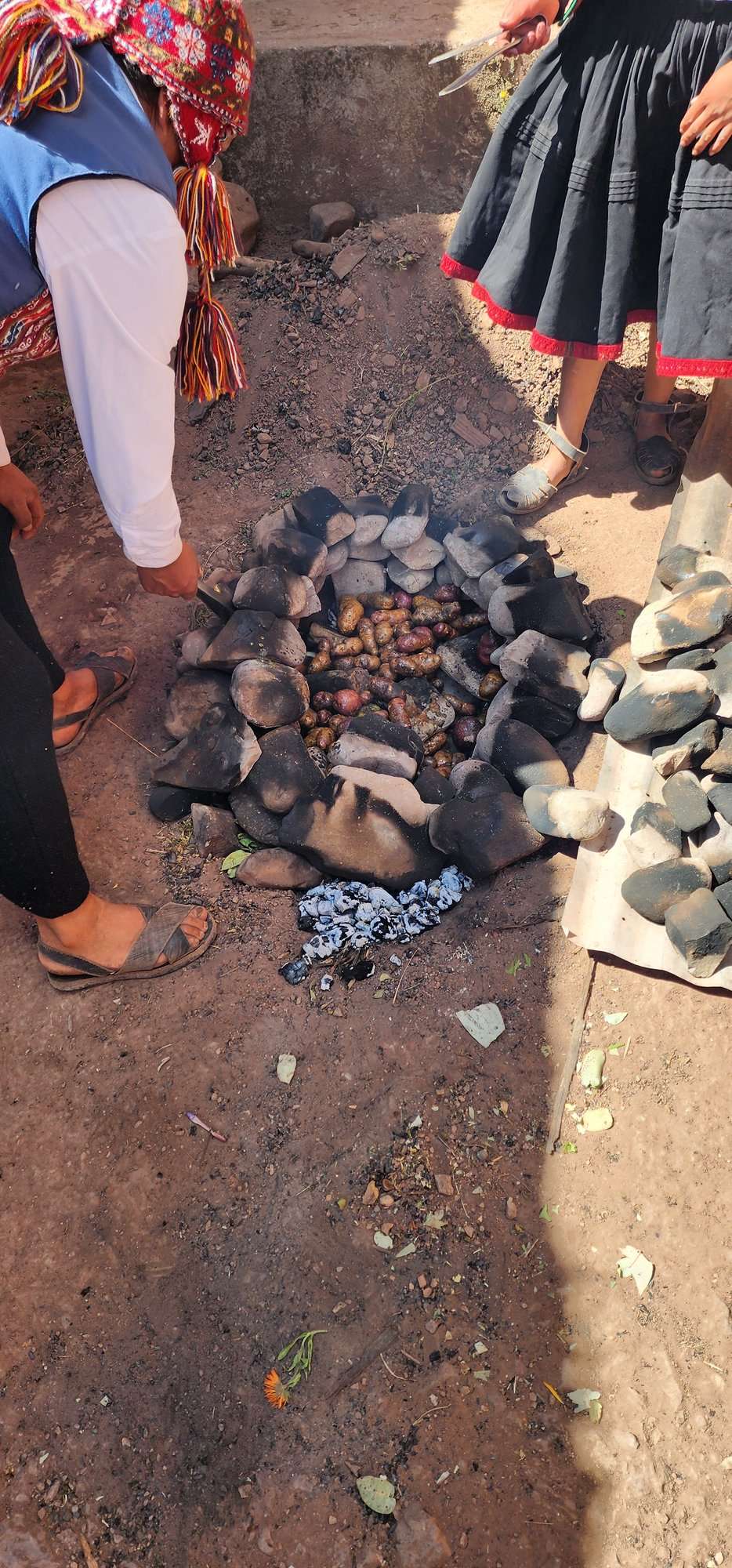
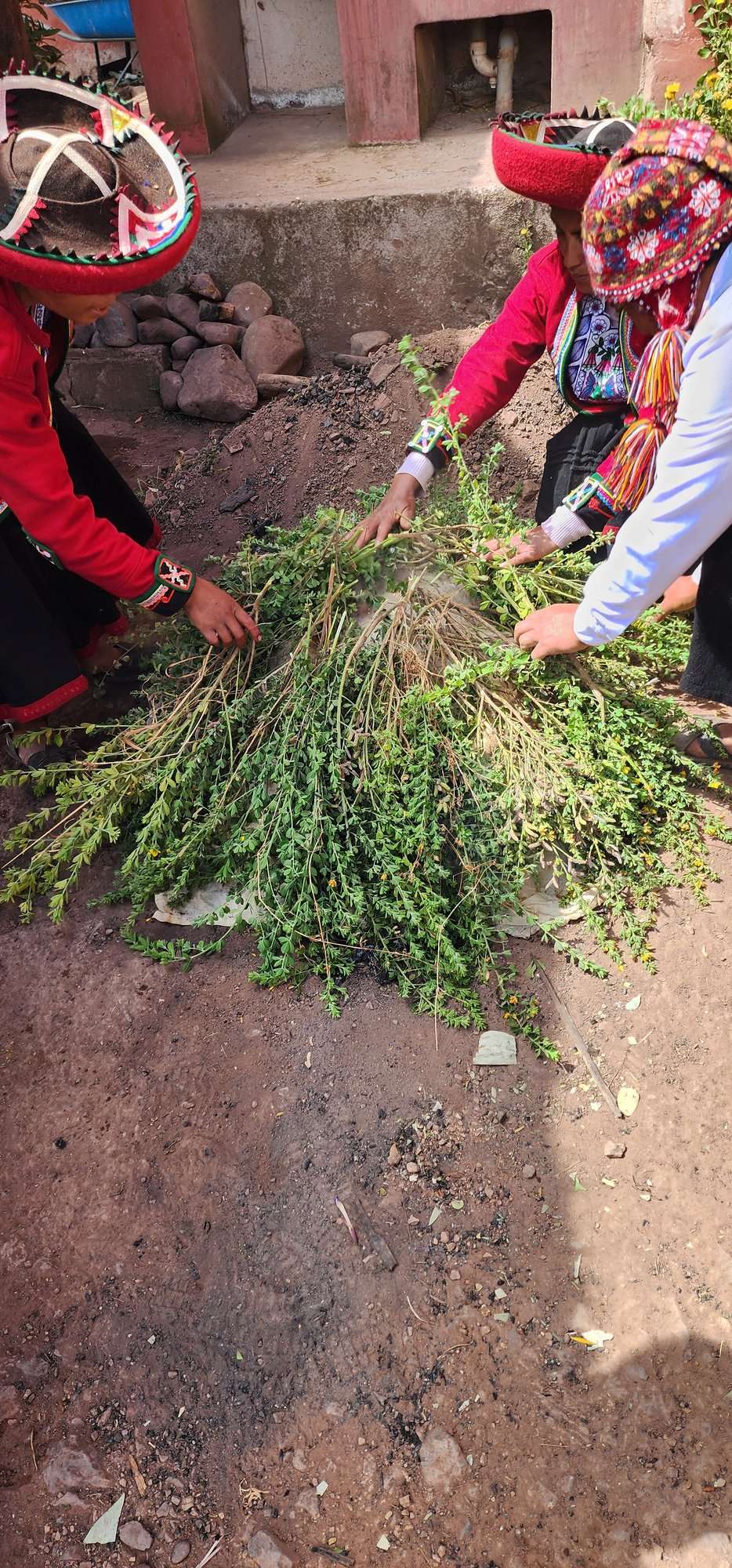
- Building the earth oven. Once the stones glow hot, you watch each food set in its place according to how much heat it needs, then sealed under herbs and cloth and finally buried to roast.
- A walk to the lagoon. While the feast cooks underground, stroll to the lagoon to hear the history and lore of the area, a glass of chicha de jora in hand — the Inca’s sacred fermented-corn beer, with the customary first drops poured to Pachamama.
- The feast. Back at the restaurant, the oven is opened and you sit down to the banquet.
- Take a piece home. Your hosts make their own natural dyes and weave their own garments, so the textile shop is the perfect place to find a genuine, handmade souvenir.
From raw ingredients to buried feast
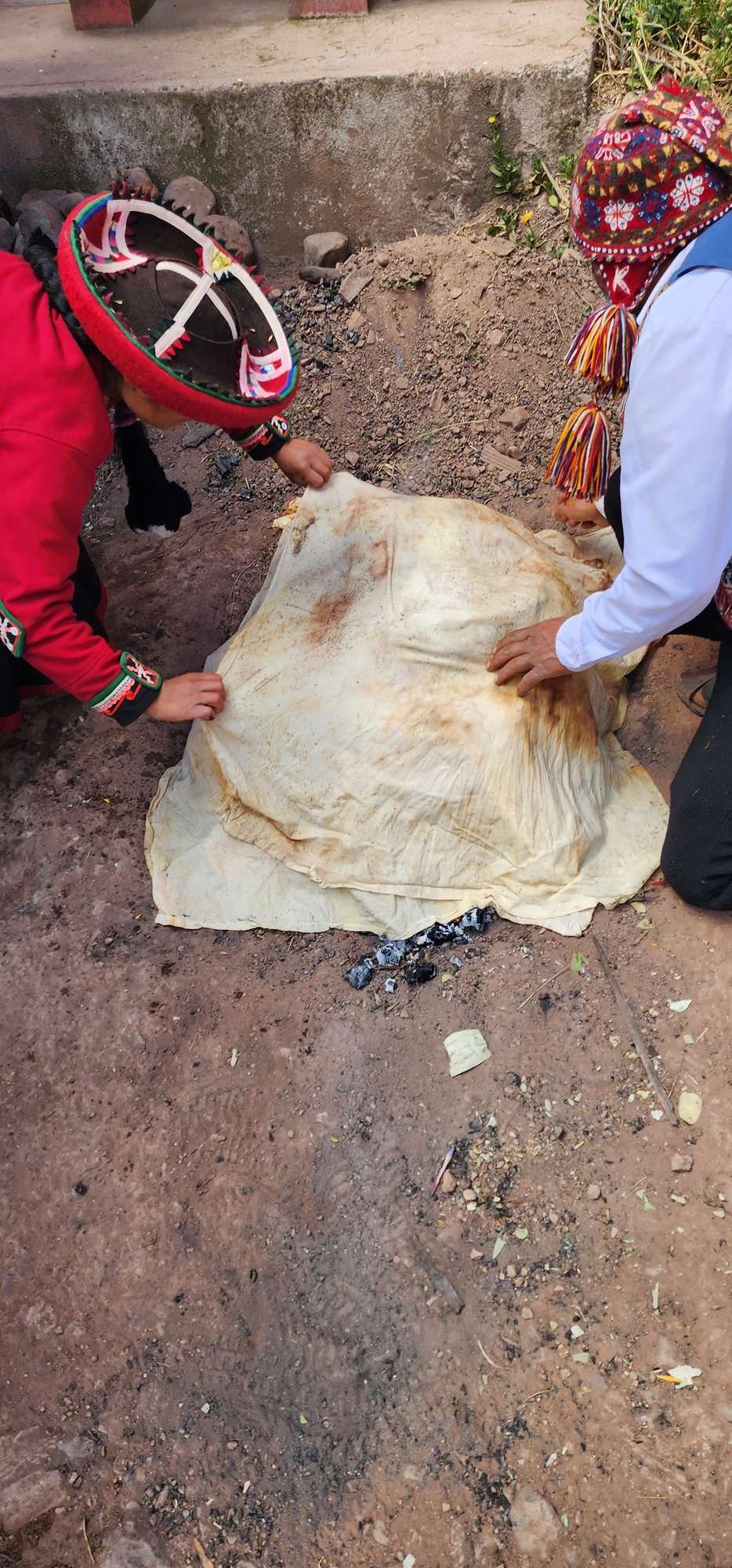
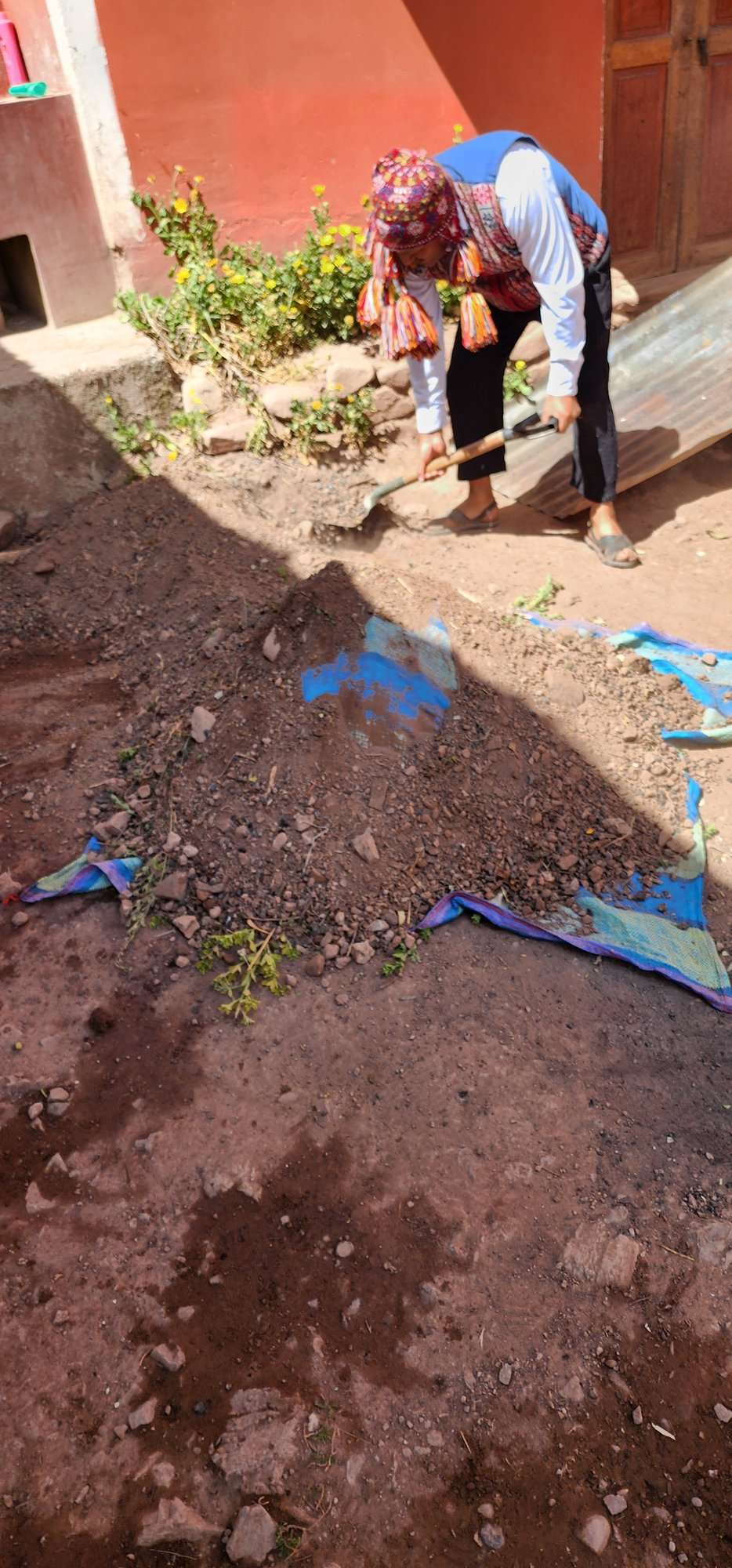
Building the oven — and the feast goes in
The Feast
From the earth oven comes a spread of 4–5 slow-roasted meats — beef, trout, chicken, lamb, pork, and cuy (guinea pig), the prized Andean delicacy — alongside 5–6 vegetables grown in the valley: several varieties of native potato, carrots, fava beans, and whatever else the season offers. Smoky, herb-scented, and unforgettable.
Opening the oven — the finished feast
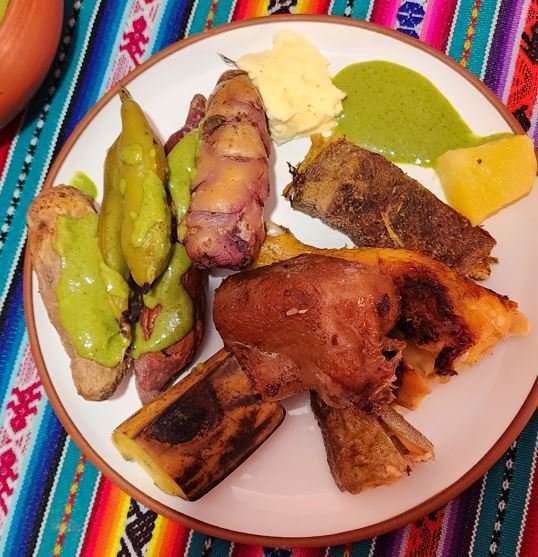
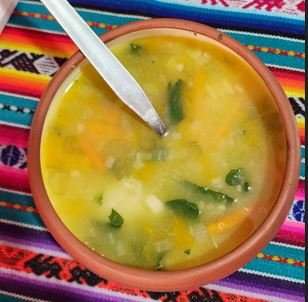
A Table for Everyone
Pachamanca is naturally generous to different diets — and the entire feast can be prepared completely vegetarian or vegan, with the valley’s potatoes, fava beans, and seasonal vegetables taking center stage. Just let us know when you book.
Raise a Glass
A glass of traditional chicha de jora is included with the lagoon walk. Want to make it a celebration? Two easy add-ons:
- Pisco sour, made fresh on site — $25 per person
- Beer or wine — $15 per person
How to Join
$55 per person — as an add-on to your Sacred Valley tour.
Prefer it as a standalone visit? That works too — standalone guests simply arrange their own transportation.